




The Monsoon's Vital Role
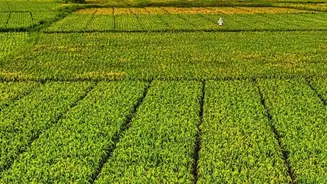
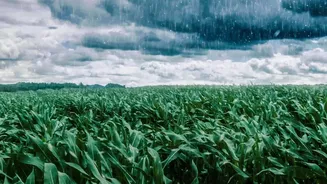
The southwest monsoon is the cornerstone of India's agriculture, contributing around 70% of the country's annual rainfall. A significant portion of India's farmland, nearly half, is rain-fed, meaning it lacks access to modern irrigation and depends entirely
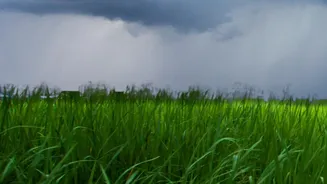
on seasonal rains. A healthy, evenly distributed monsoon replenishes reservoirs, ensures adequate soil moisture for sowing, and supports crop growth throughout the Kharif (summer crop) season. When this rainfall is deficient or erratic, it sets off a chain reaction that begins in the fields but is ultimately felt at the dinner table.
From Fields to Kitchens
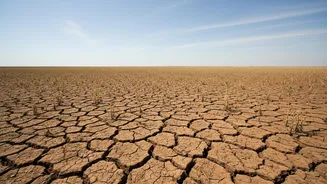
A weak monsoon directly impacts agricultural output. Less rain means delayed sowing and lower crop yields, particularly for staples like rice, pulses, oilseeds, and certain vegetables. Reports from earlier in the season already indicated that the sowing of some crops was down significantly compared to the previous year due to uneven rainfall. This reduction in farm output leads to a simple economic problem: lower supply. When the availability of essential food items dwindles in the market, but the demand from over a billion people remains constant, prices inevitably begin to climb.
The Price Shock Explained
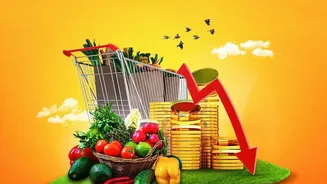
This is where we see the direct link to your grocery bill. The phenomenon is known as food inflation. Recent data for July 2026 already shows an upward trend in food prices. The Consumer Food Price Index (CFPI) inflation rose to 5.52% in July, up from 5.32% in June. This increase was driven primarily by rising costs of everyday essentials. While overall inflation might seem moderate, the pressure on food items can be more pronounced. Economists and rating agencies have warned that a prolonged rainfall shortage could revive and worsen food inflation pressures in the coming months.
Which Items Are Most at Risk?
Not all groceries are affected equally. The biggest risk is to rain-fed crops. Pulses and oilseeds are particularly vulnerable, as India has a structural deficit in these and relies on a good harvest to keep prices stable. Vegetables, which have a short shelf life and are sensitive to weather disruptions, are also prone to sharp price spikes. We've already seen prices for items like coriander and ginger jump due to supply disruptions. Conversely, items grown in well-irrigated regions or those for which the government maintains large buffer stocks, like wheat, may be less affected initially.
Can Anything Be Done?
The government is not powerless in this situation and has several tools to manage food price volatility. Historically, it has used measures like releasing food grains from buffer stocks, placing limits on how much stock traders can hold to prevent hoarding, and adjusting import policies by lowering duties on items like edible oils and pulses to increase domestic supply. The Reserve Bank of India also monitors the situation closely, as high food inflation can impact the country's overall economic stability. However, these measures are responses to a problem that starts with the weather, making a healthy monsoon the most desired outcome.