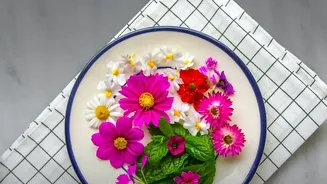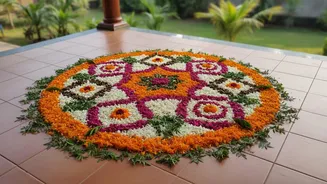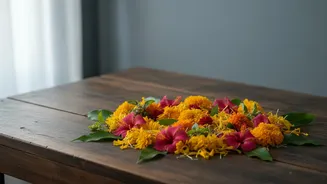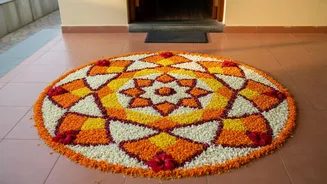



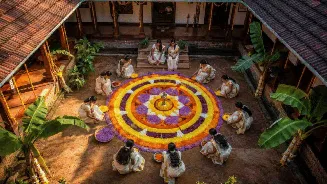
Embrace Local and Seasonal Blooms
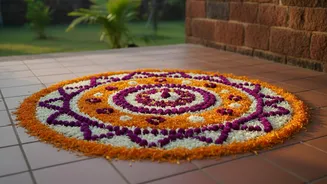
The most significant step towards a sustainable pookkalam is choosing your flowers wisely. Traditionally, pookkalams were made with flowers foraged from one's own garden and neighbourhood. This Onam, try to revive that practice. Opt for locally grown,
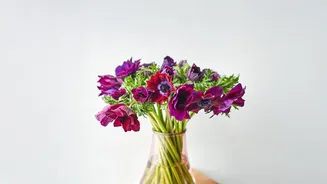
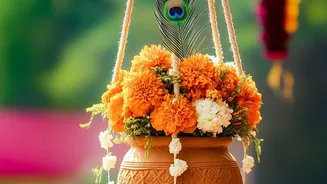
seasonal flowers like marigolds (jamanthi), hibiscus (chembarathi), ixora (chethi), jasmine, and globe amaranth (vadamalli). Using local flowers not only supports local farmers and reduces the carbon footprint associated with transporting blooms from other states, but it also connects your celebration to the authentic flora of the region. Many of these native flowers, like the humble but significant Thumba (Leucas aspera), are deeply rooted in Onam traditions.
Forage from Your Own Garden
Look around your own home for materials. A truly eco-friendly pookkalam goes beyond just petals. Incorporate colourful leaves, fragrant herbs like tulsi (basil), and other natural elements from your garden or balcony. This practice not only reduces waste and cost but also adds unique textures and shades of green to your design. In the past, children would gather these diverse elements from their surroundings, making the creation of the pookkalam a community and family activity. Returning to this tradition makes the process more personal and less reliant on commercial markets that have become dominant in recent decades.
Say No to Artificial Add-ons
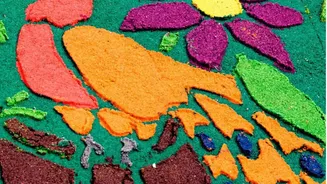
A modern pookkalam can sometimes include non-biodegradable elements in the pursuit of perfection. This year, make a conscious choice to avoid them. Steer clear of plastic glitter, synthetic coloured powders, and styrofoam or plastic bases. These materials contaminate the organic waste, making it impossible to compost the flowers later. They contribute to pollution and detract from the natural essence of the festival. Instead of artificial colours, consider using natural powders like rice flour for white, turmeric for yellow, and finely powdered, dried leaves for green. These are not only beautiful and traditional but also fully biodegradable.
Plan Your Design to Minimise Waste
Mindfulness can begin even before the first petal is laid. Plan your pookkalam design in advance. This helps you estimate the quantity of flowers you need more accurately, preventing over-purchasing and subsequent waste. Consider creating a smaller, more intricate design rather than a large one that requires kilos of flowers. A beautiful pookkalam is about creativity, not just scale. Traditionally, the pookkalam starts small on Atham day and grows progressively larger each day leading up to Thiruvonam. Adopting this practice can also help manage flower usage over the ten days of the festival.
The Afterlife of Your Pookkalam
What happens after Thiruvonam? The final step in a sustainable celebration is responsible disposal. Instead of sweeping the flowers into the general waste where they end up in a landfill releasing methane, give them back to the earth. Composting is the best option. If you have a garden, you can add the flowers directly to your compost pile. For apartment dwellers, small composting bins are available that can easily handle floral waste. Simply layer the used flowers with 'brown' materials like dry leaves or shredded newspaper. Within weeks, you will have nutrient-rich compost for your potted plants, completing a beautiful, natural cycle.