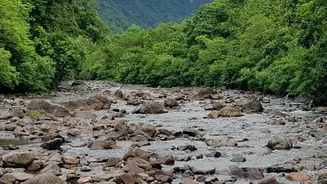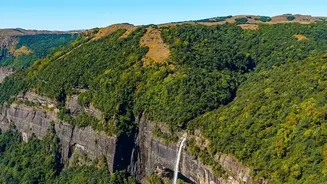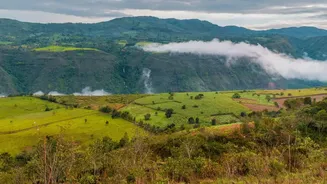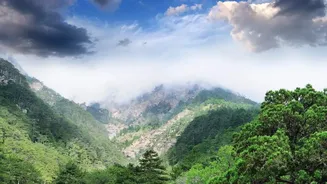





Introducing Sevati: The Valley in the Spotlight
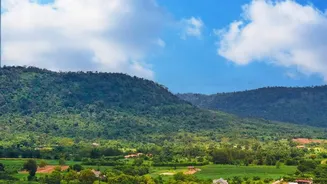
The place drawing all the attention is the Sevati Valley, located in the Kasmar block, approximately 50 kilometres from the main Bokaro Steel City. Situated along the scenic border of Jharkhand and West Bengal, this area has long been a quiet, natural
retreat. However, the recent monsoon rains have given it a spectacular makeover, turning it into a seasonal wonderland that is now flooding social media feeds. The valley, part of the larger, hilly terrain of the Chotanagpur Plateau, has always possessed a raw, untouched beauty, but the rains have amplified its charm, making it an irresistible stop for those passing through and a destination for those in the know.
A Monsoon Makeover: Waterfalls and Mist
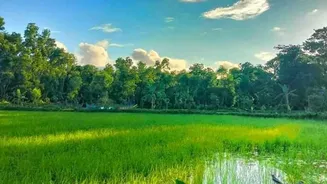
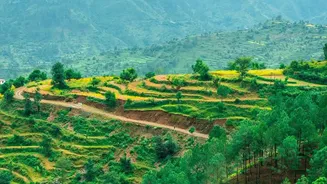
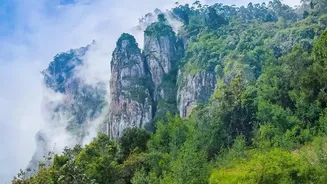
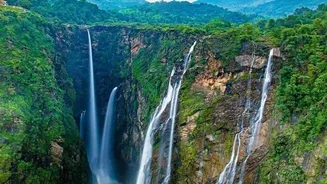
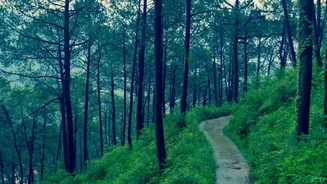
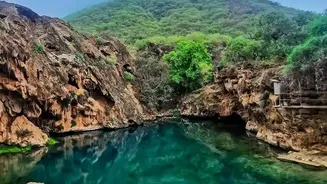
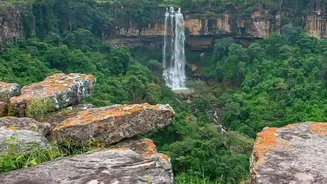
The primary reason for Sevati Valley's newfound fame is its dramatic transformation during the rainy season. Consistent rainfall has fed its numerous streams, culminating in a powerful, gushing waterfall that cuts through the verdant hills. This cascade has become the main attraction, with visitors describing it as a breathtaking sight. The surrounding hills, cloaked in mist and covered with a thick carpet of green, create a landscape that feels both serene and majestic. According to recent visitors, this year's monsoon has been particularly generous, making the waterfall and the general scenery even more spectacular than in previous years. The combination of the white, tumbling water against the deep green backdrop has become a popular spot for photography and selfies.
The 'Attention' Factor: Social Media and Word of Mouth
While Sevati Valley has been on the state tourism map, its recent surge in popularity can be attributed to the power of social media and word-of-mouth. Travellers and local residents have been sharing stunning images and videos of the valley's monsoon avatar, piquing the interest of a wider audience. Motorists travelling between Jharkhand and West Bengal are increasingly stopping to take in the view, further spreading the word. This organic buzz highlights a growing trend among Indian travellers to seek out offbeat, natural destinations over crowded tourist hotspots. The desire for authentic experiences and unspoiled landscapes is driving people to explore places like Sevati.
More Than Just a View: Culture and Nature
The allure of the Bokaro region extends beyond the Sevati Valley. The area is rich in natural and cultural landmarks. Nearby is the famous Luguburu Ghantabari Dhorom Gadh, a sacred pilgrimage site for the Santhal tribe. This spiritual centre, nestled in the hills, adds a layer of cultural depth to any visit. The region also hosts other natural attractions like Garga Dam and Konar Dam, which are popular for picnics and boating, especially in the post-monsoon months. For those interested in exploring further, the Parasnath Hills, a significant Jain pilgrimage site, are also accessible from the region, offering a mix of spirituality and adventure.
A Call for Sustainable Growth
The growing attention on Sevati Valley has also brought challenges. Local community leaders and residents have pointed out the lack of tourism infrastructure. While the valley is a natural treasure with the potential to attract many more tourists, it currently lacks basic amenities like proper seating areas, signboards, safety measures, and sanitation facilities. There is a growing call for authorities to develop the site responsibly. Villagers believe that with proper infrastructure, Sevati could become a major tourist draw for both Jharkhand and West Bengal, creating valuable livelihood opportunities for local communities while preserving the natural beauty that makes it so special.