






Why Prune in August?
August, typically the heart of the monsoon season in many parts of India, is a period of vigorous growth. While heavy pruning is often best left for winter, light to moderate pruning now serves several key purposes. It helps remove any branches damaged
by heavy rains and winds, improves air circulation to combat fungal diseases thriving in the humidity, and shapes plants that have become unruly. Most importantly, for many flowering plants, a well-timed trim encourages a fresh flush of growth, setting the stage for a spectacular post-monsoon or autumn bloom. It is about redirecting the plant's energy from maintaining old growth to producing new, productive stems and flowers.
Your Climate, Your Calendar
India's diverse climates mean there's no single rule for August pruning. In regions with heavy, continuous rainfall, pruning should be light, focusing on removing damaged or diseased parts to prevent infections in fresh cuts. In areas with breaks in the monsoon or in the drier subtropical north, gardeners have a wider window for more intentional shaping. The key is to observe your local weather patterns. Prune during a relatively dry spell to allow the cuts to heal quickly. In the south, where the climate is more tropical, many plants grow year-round, and light pruning in August helps manage size and encourage continuous flowering.
Flowering Shrubs to Trim Now
Many of India’s most beloved flowering shrubs benefit from an August trim. Hibiscus, for instance, responds well to the removal of spent flowers and a light shaping to encourage bushiness. Bougainvillea, which can become tangled, should have its long, non-flowering shoots trimmed back to maintain shape and encourage more colourful bracts. For fragrant favourites like Jasmine (Mogra), pruning after a flowering cycle is complete helps promote the new growth on which future flowers will form. Roses can also receive a light prune, primarily through deadheading spent blooms and removing any thin, weak, or yellowing canes to improve air circulation and prevent fungal issues like black spot.
Handling Fruit Trees and Edibles
When it comes to fruit trees, August pruning is about maintenance, not major surgery. For trees like mangoes that have finished fruiting, it's a good time to remove dead wood and crisscrossing branches. For citrus and guava, focus on improving air circulation by thinning out the canopy, but avoid heavy cuts that could stress the plant. Pruning during the monsoon can make trees vulnerable to disease, so it's often best to wait for a dry spell. For kitchen garden herbs, the approach is different. Pinching the tops of Tulsi (Holy Basil) prevents it from flowering and becoming woody, promoting lush leaf growth. Similarly, trimming mint will keep it compact and prevent it from taking over the pot.
What to Leave Alone
Just as important as knowing what to prune is knowing what not to. Avoid any major pruning on trees and shrubs that are still actively fruiting. Also, be cautious with plants that bloom on old wood, meaning they form their flower buds the previous season. While less common, pruning these in late summer means you would be cutting off next year's flowers. As a general rule, if you are unsure, it is safer to stick to removing only dead, damaged, or diseased wood. Heavy structural pruning on most trees is best reserved for the dormant winter period when the plant's structure is more visible and the risk of disease is lower.
The Right Tools for the Job
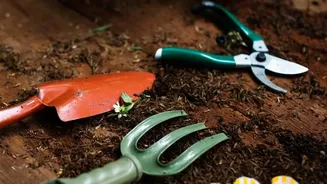
Successful pruning depends on using the right tools correctly. A sharp, clean pair of bypass secateurs is essential for most shrubs and smaller branches. For larger branches, use loppers or a pruning saw. Always ensure your tools are clean and disinfected, especially when moving between plants, to prevent the spread of diseases. A simple wipe with a cloth soaked in a disinfectant solution is sufficient. Make clean, angled cuts just above a leaf node or a bud. This encourages the new growth to sprout outwards and prevents water from sitting on the cut surface, which can lead to rot.