


Understanding the Humidity Risk
High humidity is the primary culprit behind many monsoon-related pet ailments. When the air is saturated with moisture, your pet's coat can remain damp for hours after a walk or bath, creating the ideal warm, moist environment for bacteria and fungi to
thrive. This is especially true for pets with thick fur, long ears, or skin folds where moisture gets easily trapped. This lingering dampness can lead to a host of skin issues, including persistent itching, foul odours, and painful infections like 'hot spots' or acute moist dermatitis. Ticks and fleas also multiply rapidly in these conditions, increasing the risk of bites and tick-borne diseases.
Combating Fungal and Yeast Infections
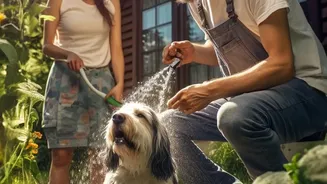
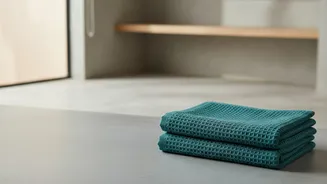
Fungal infections, like ringworm and Malassezia yeast overgrowth, are extremely common in humid weather. Signs often include intense itching, greasy or flaky skin, hair loss in patches, and a distinct musty odour. Prevention is your strongest defence. The number one rule is to keep your pet thoroughly dry. After every walk, towel-dry their coat, paying special attention to paws, underbelly, armpits, and skin folds. For long-haired breeds, a pet-specific dryer on a low heat setting can ensure the undercoat is completely dry. Regular grooming is also key; brushing daily removes loose fur and allows the skin to breathe. When bathing, use a mild anti-fungal shampoo as a preventive measure, but avoid over-bathing, which can strip natural oils.
Your At-Home Tick and Flea Defence Plan
Ticks are not just a nuisance; they are carriers of serious diseases. Their populations explode during the monsoon. Make a daily tick check a non-negotiable part of your routine. Run your hands all over your pet's body, feeling for small bumps, especially in hidden spots like between the toes, under the collar, in and around the ears, and near the tail. Keeping your home environment clean is just as important. Wash your pet’s bedding, blankets, and soft toys in hot water at least once a week and dry them thoroughly, preferably in the sun. Vacuum carpets and furniture regularly to remove any stray parasites or their eggs. Discuss long-term preventive treatments like spot-on applications or medicated collars with your veterinarian to provide consistent protection.
Essential Paw and Ear Care
Paws and ears are ground zero for moisture-related problems. Your pet's paws are in constant contact with wet, muddy surfaces that can harbour bacteria. After every single walk, clean their paws with warm water and dry them completely, especially between the digits. Trimming the fur around the paw pads can also improve air circulation and prevent moisture from getting trapped. Ears, particularly floppy ones, create a warm, dark, and moist canal perfect for yeast and bacteria. Gently wipe the outer part of your pet's ears dry after they get wet and use a vet-approved cleaning solution weekly to prevent buildup and infections. Never insert anything deep into the ear canal.
Creating a Dry Indoor Environment
Managing your home's humidity can significantly reduce the risk of skin problems. If possible, use a dehumidifier to maintain indoor humidity levels below 60%. Ensure good air circulation with fans. Regularly clean and dry your pet’s sleeping area, and consider bedding that is moisture-resistant rather than heavy blankets that trap dampness. It’s also wise to store dry pet food in an airtight container to prevent it from absorbing moisture and spoiling or growing mould, which can also affect your pet's health. Providing fresh, filtered drinking water is also crucial, as stagnant water sources can be contaminated during this season.