





Know the Schedule and Key Locations
Bonalu is celebrated on Sundays during the Hindu month of Ashada, which falls in July and August. For 2026, the main festivities in the Hyderabad area are set to begin on July 19 and continue on subsequent Sundays: July 26, August 2, and August 9. The
celebrations rotate between key temples. The festival traditionally kicks off at the Golconda Fort on the first Sunday. Subsequent major events happen at the Ujjaini Mahakali Temple in Secunderabad and the Balkampet Yellamma Temple, followed by the Sri Mahankali Temple at Lal Darwaza in the Old City. Arriving early, especially for the main temple events, is highly recommended to avoid the largest crowds.
Dress for the Occasion
Bonalu is a deeply religious event, and modest attire is a sign of respect. Women traditionally wear sarees or half-sarees, often in auspicious colours like yellow and red, accessorised with jewellery. Men typically opt for kurtas or other comfortable, respectful clothing. Since you will be doing a lot of walking, often on uneven streets, comfortable footwear is a must. The goal is to be comfortable and respectful while immersing yourself in the cultural atmosphere.
Understand the 'Bonam' Offering
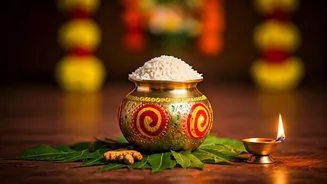
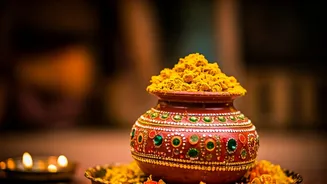
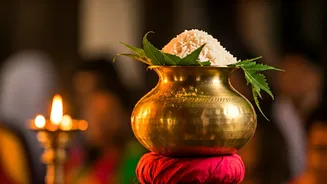
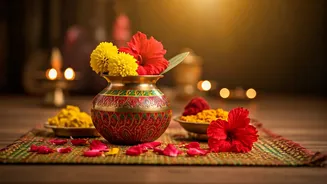
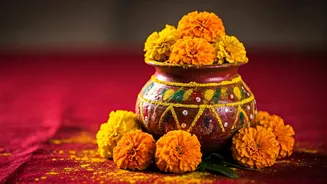
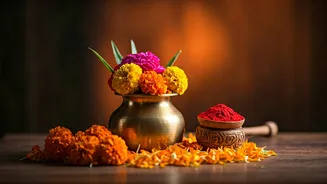
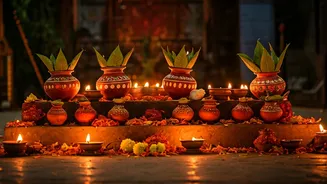
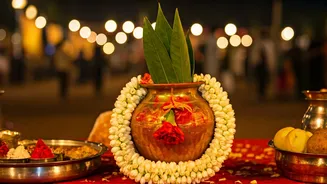
The festival's name comes from 'Bonam', which means a meal or offering in Telugu. This central ritual involves women preparing rice cooked with milk and jaggery. This offering is placed in a new brass or earthen pot, which is then decorated with turmeric, vermilion, and neem leaves, and topped with a lit lamp. Women carry these pots on their heads in processions to the temple to thank the Goddess for her protection from disease and to fulfill vows. Witnessing these processions is a core part of the Bonalu experience.
Watch for the Pothuraju
A key figure in the Bonalu processions is the Pothuraju, considered the brother of the Mother Goddess. He is portrayed by a bare-bodied man, his skin smeared with turmeric and his forehead marked with vermilion, wearing a red dhoti and bells on his ankles. The Pothuraju leads the processions, dancing energetically to the sound of drums and lashing a whip to ward off evil spirits and protect the women carrying the Bonam offerings. His dynamic and powerful presence is one of the festival's most memorable sights.
Don't Miss 'Rangam' (The Oracle)
One of the most unique events is the Rangam, or the oracle's prophecy. This typically takes place on the morning after the main festival celebrations at a major temple, such as the Ujjaini Mahankali Temple. During this ritual, a woman, believed to be possessed by the spirit of the Goddess, enters a trance and foretells the events of the coming year. Thousands gather to witness this powerful and theatrical ritual, which provides guidance and reassurance to the community.
Follow Procession Etiquette
The streets during Bonalu are filled with energy, devotion, and large crowds. Be mindful that some women carrying the Bonam are believed to enter a trance, possessed by the spirit of the Goddess. Locals often sprinkle water on their feet to pacify the aggressive energy. As a visitor, be respectful of these rituals and give processions ample space. Keep your belongings secure, stay hydrated, and be prepared for loud music and a vibrant, chaotic atmosphere that is central to the festival's spirit.
Look for the Ghatam and Thottelu
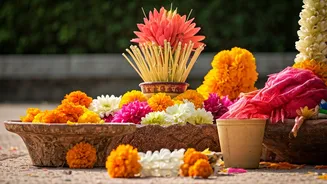
The 'Ghatam' is another important element. It is a copper pot, decorated to represent the Goddess, which is carried by a priest in a procession throughout the festival. On the final day, it is ceremoniously immersed in water. The procession from the Akkanna Madanna temple, often led by an elephant, is particularly grand. You will also see 'Thottelu', which are small, colourful paper structures offered as a token of respect. These elements add to the rich visual tapestry of the festival.