





The Hidden Dangers in Wet Grass
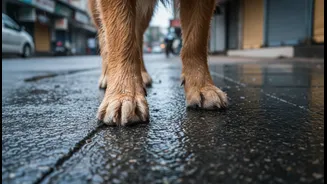
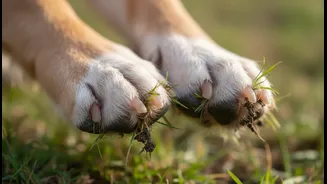
That joyful run through a dewy park or a post-monsoon splash can expose your dog’s paws to more than just mud. Damp, warm environments are ideal breeding grounds for fungi, yeast (like Malassezia), and bacteria. These microorganisms can get trapped in the
spaces between your dog's paw pads and toes. When paws remain moist, these contaminants can multiply, leading to skin irritation, allergic reactions, and painful fungal infections like yeast dermatitis. An infection can cause intense itching, forcing your dog to constantly lick and chew their paws, which only makes the problem worse by introducing more moisture and causing further skin damage.
Your Step-by-Step Paw Cleaning Ritual
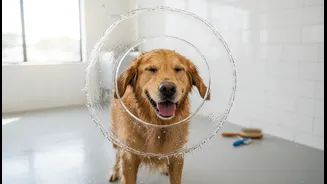
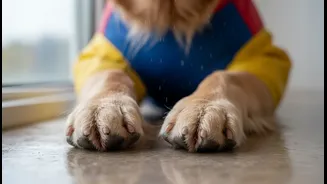
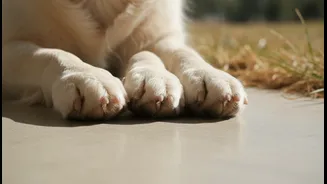
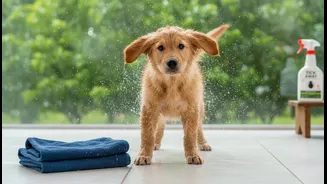
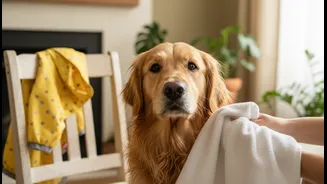
The most effective strategy against paw infections is a consistent cleaning routine after every walk, especially during wet seasons. First, have your station ready by the door: a small basin of lukewarm water, a soft towel (microfibre is excellent for absorbency), and any cleaning solution you choose. Gently dip each paw into the water or use a cloth to wipe them down. Pay close attention to the areas between the toes and around the nail beds, as this is where debris and moisture love to hide. The final step is the most crucial: drying. Pat each paw and the spaces between the pads completely dry. Trapped moisture is the primary cause of fungal overgrowth, so thorough drying is non-negotiable.
What to Use for a Safe Clean
For daily cleaning, lukewarm water is often sufficient. If more cleansing power is needed, use a gentle, pet-safe soap or a dog-specific shampoo. There are also effective DIY solutions. A diluted mixture of apple cider vinegar and water (typically a 1:1 ratio) has natural antifungal properties, but it should only be used on intact skin, as it can sting cuts. Some vets may recommend pet-safe antiseptic solutions containing ingredients like chlorhexidine for dogs prone to infections. Avoid using harsh chemicals, alcohol-based products, or human soaps, as these can irritate your dog’s sensitive skin. While some online recipes suggest hydrogen peroxide, it can be harsh and should only be used under veterinary guidance.
Preventative Measures for Healthy Paws
Beyond daily cleaning, a few grooming habits can make a big difference. Keep the fur between your dog’s paw pads trimmed short. Long hair traps moisture, dirt, and debris, increasing the risk of infection. Regular brushing also helps remove dirt before it becomes a problem. During particularly wet or muddy seasons, you might consider protective gear like waterproof dog booties for walks. Applying a thin layer of a pet-safe paw balm can also create a protective barrier on the paw pads and help soothe any minor irritation. Finally, try to avoid letting your dog walk through stagnant puddles, which can be teeming with bacteria and other contaminants.
Signs of Trouble: When to See a Vet
Despite your best efforts, an infection can still occur. It’s important to recognise the warning signs so you can seek professional help promptly. Be on the lookout for persistent licking or chewing of the paws, redness and swelling, and hair loss around the affected area. An infected paw may also have a distinct musty or yeasty smell, sometimes compared to corn chips. Other serious signs include discharge, limping, reluctance to walk, or skin that appears scaly, crusty, or discoloured. If you notice any of these symptoms, it is crucial to consult your veterinarian for an accurate diagnosis and proper treatment plan, which may include medicated wipes, ointments, or oral antifungal medications.