







The Technology on Your Arm
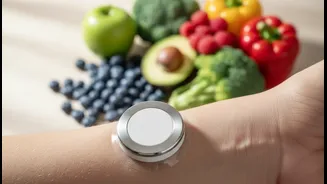
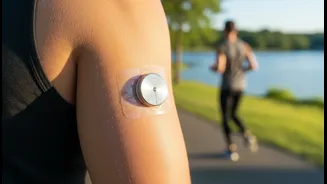
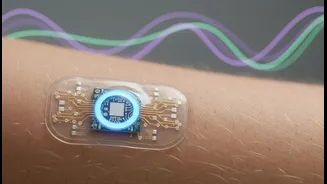
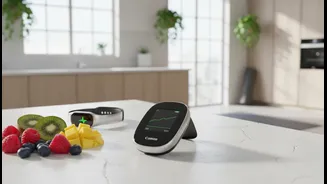
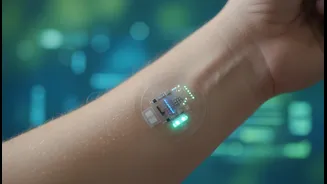
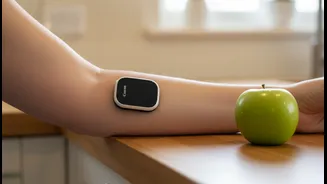
The device at the center of this trend is the continuous glucose monitor, or CGM. It's a small, wearable sensor, typically worn on the back of the arm or abdomen. A tiny filament sits just under the skin, measuring glucose levels not in your blood, but
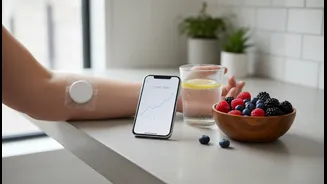
in the interstitial fluid that surrounds your cells. This fluid acts as a go-between for your bloodstream and your cells. The sensor takes a reading every few minutes and sends the data wirelessly to a smartphone app, creating a 24/7 picture of your body's glucose fluctuations. Originally designed as a revolutionary tool for diabetes management, CGMs help users avoid dangerously high or low blood sugar episodes without constant finger-prick tests.
The Goal: Optimizing Metabolic Health
For those without diabetes, the objective isn't to manage a disease but to optimize wellness. Proponents of the trend are focused on 'metabolic health'—a term describing how well your body processes and uses energy. The core idea is that even in healthy individuals, significant spikes and crashes in glucose after meals can affect energy levels, mood, and sleep. Companies marketing these devices to the public suggest that by monitoring these responses, users can make more informed choices about diet and exercise to maintain stable energy and potentially reduce the long-term risk of chronic diseases. The aim is to flatten the glucose curve, avoiding sharp peaks and deep valleys in favour of gentle, rolling hills.
Personalized Dietary Insights
The main appeal for non-diabetic users is the power of personalized data. A CGM offers a real-time window into how your unique body responds to specific foods and activities. You can see, for instance, that a banana eaten alone causes a sharp glucose spike, but eating it with a source of protein and fat leads to a much smaller rise. Users often discover surprising reactions to foods they previously considered 'healthy,' like certain smoothies or whole-grain breads. This immediate feedback loop can be a powerful motivator for behavioural change, encouraging habits like taking a walk after a meal to help blunt a glucose spike. It moves health advice from generic recommendations to a highly individualized strategy.
What the Experts Say
While the technology is fascinating, many medical experts urge caution. For a healthy person without diabetes, the body's hormonal system, primarily insulin, is highly effective at managing glucose fluctuations. Endocrinologists point out that there is currently limited research to show concrete, long-term health benefits for non-diabetic individuals using CGMs. Some glucose variability is a normal physiological response to eating and exercise. Experts worry that without proper medical context, healthy users might misinterpret normal fluctuations as problems, leading to unnecessary anxiety. While short-term use might be beneficial for those with specific risk factors like prediabetes, routine use for the general healthy population is not currently recommended by most medical bodies.
The Risks of Over-Monitoring
Beyond the lack of conclusive data, there are potential downsides. The cost of these devices and their associated subscription services can be a significant barrier. More concerning is the psychological impact. Constant data can lead to a form of health anxiety, with users becoming overly fixated on minor glucose changes. This can foster an unhealthy relationship with food, where items are rigidly categorised as 'good' or 'bad' based on a single data point, potentially masking a balanced diet. Furthermore, the devices are not infallible and can produce erroneous readings or false alarms, which can be particularly confusing and stressful for individuals who don't have a medical reason to be monitoring their levels.