




The Search for 'Real' Experiences
After years of being cooped up, our collective appetite for travel has changed. We’re no longer satisfied with merely seeing a place; we want to feel it, engage with it, and create lasting memories. Passive sightseeing is giving way to active participation.
This psychological shift has fuelled a boom in adventure tourism, and ziplining sits at the perfect intersection of accessibility and adrenaline. It offers a tangible, heart-pounding experience that a selfie in front of a monument simply cannot match. It’s a physical manifestation of breaking free, a powerful antidote to the stillness and confinement that many felt during lockdowns. People are looking for stories to tell, and “the time I flew through a forest” is a much better story than “the time I stayed in a nice hotel.”
A New Perspective on Nature
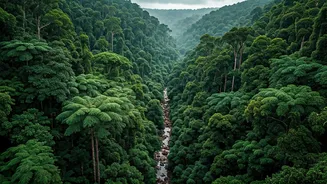
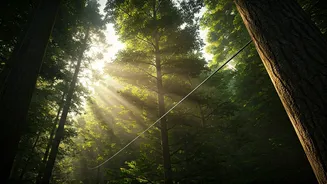
Previously, ziplining might have been marketed purely as a daredevil activity. Today, the framing has evolved. It’s now positioned as a unique form of eco-tourism, a way to immerse yourself in nature without disturbing it. Gliding silently above the treetops in places like Rishikesh, Mussoorie, or the dense forests of the Western Ghats offers a perspective you can’t get from a hiking trail. You see the forest canopy as birds do, gaining a newfound appreciation for its scale and complexity. This focus on connection rather than just conquest appeals to a broader audience—families, couples, and even corporate groups looking for team-building activities that are both exciting and mindful. It’s no longer just for adrenaline junkies; it’s for nature lovers, too.
Safety is the New Selling Point
Let’s be honest: the thought of dangling from a cable high above the ground can be intimidating. A decade ago, adventure sports in India sometimes carried a reputation for being unregulated. That has changed dramatically. The industry has matured, with established operators investing heavily in international-standard safety protocols, state-of-the-art equipment, and rigorous guide training and certification. This professionalisation has been key to its resurgence. When potential customers see robust safety harnesses, double-locking carabiners, and confident, well-trained staff, their fear is replaced by trust. This reassurance has opened the activity to a much wider demographic, including older participants and families with children, who now feel secure enough to take the leap.
The Ultimate Social Media Brag
It’s impossible to ignore the influence of social media. A stunning photograph is one thing, but a GoPro video of you soaring over a misty valley with the wind whipping past is social media gold. Ziplining is an incredibly visual and dynamic activity, making it perfect for Instagram Reels, YouTube Shorts, and Facebook Stories. Adventure parks have leaned into this, offering photo and video packages that capture the experience perfectly. Seeing friends and influencers share these exhilarating clips creates a powerful sense of FOMO (Fear Of Missing Out) and inspiration. Each shared video acts as a personal, highly persuasive advertisement, encouraging viewers to move ziplining from their “maybe someday” list to their “next weekend” plan.
A Forced Digital Detox
In our hyper-connected world, the chance to truly disconnect is a rare luxury. Ziplining offers a forced, and welcome, digital detox. For those few minutes you’re on the line, you can’t check your emails, scroll through notifications, or answer a call. Your phone is safely tucked away. Your focus is entirely on the present moment: the feeling of the harness, the sound of the pulley, the rush of air, and the breathtaking view. This mandatory mindfulness provides a powerful mental reset. It’s a short but intense break from digital overload, forcing you to be fully present in your body and your environment. In a way, the thrill of ziplining isn’t just about speed and height; it’s about the profound calm that comes from being completely, utterly unplugged.