





The Hidden Dangers of Monsoon Growth
While the rainy season encourages rapid growth, it also introduces significant physical stress. The sheer weight of rainwater on leaves, combined with gusty winds, can easily bend or snap the tender stems of your plants. Tall flowering plants like hibiscus,
heavily laden vegetable vines, and even young trees are particularly vulnerable. Beyond snapping, the saturated soil makes it easier for plants to become partially uprooted, damaging the delicate root systems that are essential for absorbing water and nutrients. This physical instability is often a more immediate threat to a plant's survival than any temporary lack of nutrition.
Provide Sturdy Physical Support
The first step in monsoon plant care is providing reinforcement. For tall, single-stem plants, insert a sturdy bamboo stick or a plastic stake into the soil a few inches away from the base and loosely tie the stem to it. This prevents the plant from whipping around in the wind. For bushier plants or vegetable climbers, creating a cage or trellis offers more comprehensive support. You can use several stakes to form a perimeter, weaving twine between them to create a supportive net. Ensure any ties you use are soft and not too tight, as this can damage the stem as the plant grows. This simple preventative measure can be the difference between a thriving plant and a broken one.
The Critical Role of Drainage
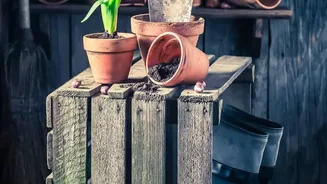
Constant rain leads to waterlogged soil, which is a plant's worst enemy during the monsoon. When soil is saturated, the air pockets that roots need to breathe are filled with water. This lack of oxygen can lead to root suffocation and decay, a condition known as root rot. The signs of root rot can be misleading, often appearing as wilting or yellowing leaves, which a gardener might misinterpret as a need for more water or nutrients. Before considering fertiliser, ensure your pots have clear drainage holes. You can even elevate pots on bricks or stands to help excess water escape freely and prevent them from sitting in puddles. For garden beds, incorporating organic matter like compost can improve soil structure and drainage.
Rethinking Your Fertiliser Schedule
Heavy monsoon rains can wash away, or 'leach', essential nutrients from the soil, which might make you want to add more fertiliser. However, applying fertiliser to already waterlogged soil is often counterproductive and can even harm your plants. Stressed, oxygen-deprived roots cannot absorb nutrients efficiently. Furthermore, many fertilisers contain salts that can burn the roots when they are already in a vulnerable state. The best approach is to wait for a dry spell between rains to apply any plant food. During the monsoon, plants generally grow slower due to reduced sunlight, so their nutritional needs are lower. A light application of a slow-release organic fertiliser, like vermicompost, once every three to four weeks is usually sufficient.
Pruning for Health and Airflow
Another key support strategy is strategic pruning. Trimming away some of the dense foliage can reduce the overall weight of the plant, making it less susceptible to wind and rain damage. This also improves air circulation around the stems and leaves. High humidity and constantly wet leaves create the perfect breeding ground for fungal diseases like powdery mildew and black spot. By thinning out the plant, you allow its leaves to dry more quickly after a shower, significantly reducing the risk of a fungal outbreak. Regularly removing any yellowing or dead leaves also helps prevent the spread of disease and directs the plant's energy towards healthy growth.