






From Transaction to Experience
To understand what Gen Z wants from shopping, it helps to understand what they *don’t* want. The concept of 'catalogue shopping' represents more than just a paper booklet; it stands for a passive, one-size-fits-all approach. It’s a one-way conversation
where a brand presents products, and the consumer buys. This model is fundamentally at odds with the Gen Z ethos. [4] This generation, born roughly between 1997 and 2012, grew up with smartphones and social media, in a world of constant connectivity and instant gratification. [6, 17] For them, shopping has evolved from a simple transactional activity to an immersive experience. [8] In India, a compelling 78% of consumers in 2024 said they would rather spend on experiences than just products, a sentiment driven by younger demographics. [21] They aren’t just buying a product; they are looking for discovery, community, and memorable moments worth sharing. [18]
The Uncompromising Demand for Authenticity
If there's one word that defines Gen Z's consumer philosophy, it's authenticity. Having grown up aware of marketing manipulation, they have a finely tuned radar for anything that feels fake, scripted, or overly polished. [2, 3] They don’t trust traditional ads; in fact, reports show that 99% of Gen Z will skip an ad if given the option. [11] Instead, they place their trust in real people and peer recommendations. [2, 11] Research from McKinsey highlights that 63% of Gen Z prefer seeing “real people” in ads over celebrities. [2] In India, this translates to a booming creator economy, which now influences over 30% of all consumer purchase decisions. [23, 26] Gen Z trusts creators—especially micro-influencers who feel more like friends—because their recommendations seem genuine and relatable, something a glossy ad can never truly replicate. [2, 30]
Shopping as Socialising and Self-Expression
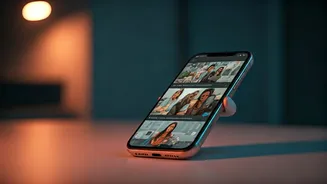
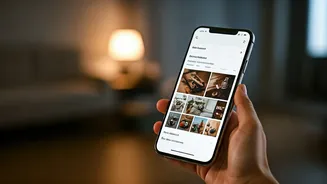
The line between social media, entertainment, and commerce has blurred into non-existence for Gen Z. [10] Platforms like Instagram and TikTok are not just for connecting with friends; they are primary shopping destinations. [5] This phenomenon, known as 'social commerce', embeds the shopping experience directly into the social feed, allowing for instant discovery and purchase. [5, 28] The journey is visual and video-led, with short styling videos and user-generated content replacing static product photos. [24] Beyond the social aspect, shopping is a core part of their identity. Gen Z is trend-loyal, not brand-loyal, constantly seeking newness to express their individuality. [15, 25] They use fashion and brands to belong to an identity, whether it's 'Korean street style' or 'soft girl' aesthetics, which simplifies decision-making while allowing for self-expression. [24]
The 'Phygital' Reality and Personalisation
While digitally native, Gen Z hasn't abandoned physical stores. Instead, they expect a seamless blend of online and offline worlds—a 'phygital' experience. [25] For instance, 75% of Indian Gen Z shoppers expect mobile-optimised experiences to be layered with the physical validation of touching and feeling a product. [18] This has given rise to 'retail-tainment', where physical stores are evolving into experience-focused lifestyle hubs. [18, 21] Furthermore, personalisation is not a luxury but an expectation. [10, 17] Having grown up with algorithms that tailor everything from their music playlists to their news feeds, they expect brands to understand their individual preferences and deliver unique, relevant experiences. [8, 10] This can range from customised products to AI-driven recommendations that make them feel seen and valued as individuals. [8, 10]