



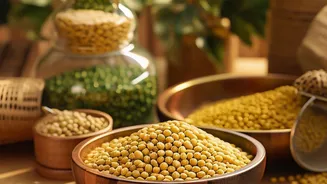

Why Everyone Needs Protein
Protein is one of the body's main building blocks, essential for far more than just biceps. It's made of amino acids, which are crucial for creating everything from muscle and skin to enzymes and hormones that regulate our bodily functions. A sufficient
protein intake helps support a strong immune system by building antibodies that fight off infections, aids in faster recovery from injuries, and helps maintain stable energy levels throughout the day. For children and adolescents, it's vital for growth and development, while for older adults, it becomes critical in preventing age-related muscle loss, a condition known as sarcopenia.
The Great Indian Protein Gap
Despite a rich culinary heritage, a significant portion of the Indian population doesn't consume enough protein. Several studies indicate that a large percentage of Indians, both in urban and rural areas, are protein deficient. A common myth is that a typical diet of dal, roti, and rice is sufficient. While these are staples, they may not meet the daily requirements alone. According to the Indian Council of Medical Research (ICMR), a sedentary adult needs about 0.83 grams of protein per kilogram of body weight daily. For a 65 kg adult, this is roughly 54 grams. Many typical vegetarian meals fall short of this target, leading to a quiet deficit that can manifest as fatigue, poor muscle health, and hair fall over time.
Powering Up the Vegetarian Plate
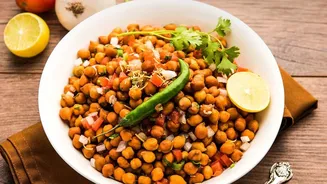
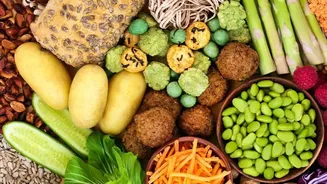
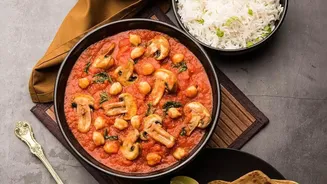
For the majority of Indian households that are vegetarian, bridging the protein gap is entirely possible with smart food choices. The key is variety. Instead of relying only on one type of dal, a planned diet can easily meet protein needs. Excellent sources include lentils (dal), chickpeas (chana), and kidney beans (rajma). Dairy products like paneer and curd are fantastic, high-quality protein sources. For instance, 100g of paneer contains around 18g of protein. Soya products, such as tofu and soya chunks, are also protein powerhouses. Combining different plant proteins, like having dal with rice or a roti with a paneer dish, helps ensure you get a complete range of amino acids.
Simple Swaps for a Protein Boost
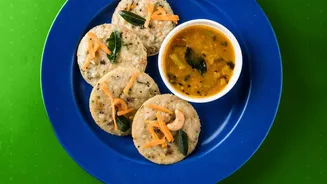
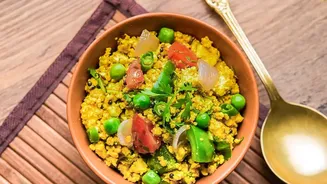
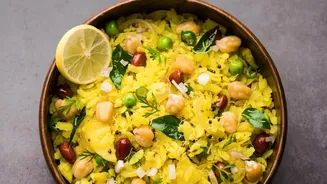
Increasing your family's protein intake doesn't require a complete dietary overhaul. Small, consistent changes can make a big impact. Start by adding a handful of nuts and seeds like almonds or pumpkin seeds to breakfast porridge or as a snack. Swap a regular snack with roasted chana or a bowl of sprouted moong salad. When making sabzi, add cubes of paneer or a handful of soya chunks. Using Greek yogurt or thick curd as a side dish can add a significant protein punch, with a single cup often containing 8-10 grams of protein. Even simple additions like a glass of milk or a moong dal chilla for breakfast can contribute significantly to meeting the daily protein goal.