






The Lifeblood of Indian Agriculture
The Indian economy, particularly its agricultural sector, is profoundly dependent on the southwest monsoon, which provides about 75% of the country's annual rainfall. A staggering portion of India's farmland—around 55-60%—is rain-fed, meaning it lacks
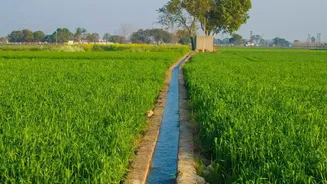
access to irrigation and relies entirely on these seasonal rains. This makes the four-month monsoon season from June to September the most critical period for Indian farmers. The sowing of essential Kharif crops, which form the backbone of India's food supply, is timed to coincide with the monsoon's arrival. These crops include staples like rice, maize, pulses such as arhar and moong, soybean, and cotton. A timely and robust monsoon ensures healthy seed germination, reduces the costly burden of manual irrigation, and sets the stage for a bountiful harvest that feeds the nation.
Not Just How Much, But When and Where
While the national average rainfall figure is widely reported, it often masks a more complex reality. The timing and distribution of rainfall are just as crucial as the total volume. A monsoon that arrives late can delay the sowing of Kharif crops, reducing their yield potential from the very beginning. Similarly, extended dry spells, or 'monsoon breaks', can cause severe moisture stress for growing crops, even if the overall season is classified as normal. Conversely, excessive rainfall in short bursts can lead to floods, waterlogging, and the destruction of standing crops. Uneven distribution, where some regions face drought while others are inundated, can disrupt the agricultural output of entire states. Therefore, a 'good' monsoon is one that is well-distributed both geographically and throughout the season, ensuring crops get the right amount of water at the right time.
The Ripple Effect on Your Wallet
The performance of the monsoon has a direct and tangible impact on every household's budget through food inflation. A weak or erratic monsoon reduces crop output, leading to a mismatch between supply and demand. When the supply of essential commodities like vegetables, pulses, and grains dwindles, their prices inevitably rise in the market. This can trigger a spike in food inflation, which disproportionately affects lower-income households who spend a larger portion of their income on food. The Reserve Bank of India closely monitors monsoon forecasts as a key variable influencing the country's inflation outlook. An uneven monsoon can be a significant macroeconomic shock, creating price volatility that is felt by consumers in cities and villages alike.
Beyond the Farm Gate
The monsoon's influence extends far beyond agriculture into the broader economy. The agricultural sector contributes significantly to India's GDP, and a good harvest, powered by a strong monsoon, boosts the entire rural economy. When farmers earn well, they have more disposable income, which drives demand for goods and services like tractors, consumer durables, and clothing. This increased rural demand stimulates industrial production and creates jobs. In contrast, a poor monsoon can depress rural incomes, leading to an economic slowdown. The monsoon's impact is so pervasive that it can influence everything from stock market sentiment to the policy decisions of the central bank.
Water for Today and Tomorrow
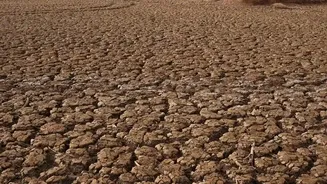
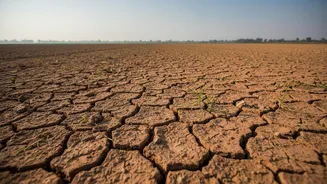
The monsoon does more than just water the Kharif crops; it replenishes the country's water resources for the entire year. Monsoon rains fill up rivers, lakes, and massive reservoirs, and are critical for recharging groundwater levels. This stored water is essential for drinking supplies, electricity generation from hydropower plants, and, crucially, for irrigating the subsequent Rabi (winter) crops like wheat. A deficient monsoon not only affects the current harvest but can also jeopardise the next cropping season by leaving reservoirs and soil moisture levels dangerously low, forcing farmers to rely on depleting groundwater reserves.