





The Golden Charm: Planting Marigolds
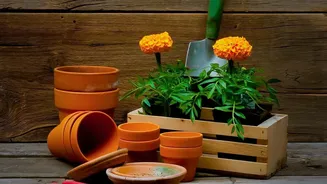
Marigolds, or 'Genda Phool', are a staple in Indian households, especially with the festive season around the corner. They are incredibly easy to grow and flourish in the October sun. To start, choose a pot that is at least 6-8 inches in diameter to give
the roots enough space. Use a well-draining potting mix; a combination of garden soil, compost, and a bit of sand works wonders. Sow the seeds about an inch deep and expect to see seedlings emerge within a week. Marigolds are sun-lovers and require at least six hours of direct sunlight daily to produce abundant blooms. Water them regularly, but be careful not to make the soil soggy, as they are prone to root rot. Let the top inch of the soil dry out before watering again. A fantastic bonus is that marigolds act as natural pest repellents, protecting other plants on your balcony. Pinching off spent flowers will encourage the plant to produce even more cheerful blooms throughout the winter.
Autumn's Royalty: Growing Chrysanthemums
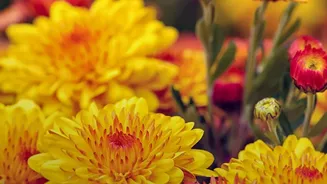
Chrysanthemums, or 'Mums', are the quintessential autumn flower, offering a spectacular display of colour from October through winter. They thrive in cooler weather and are perfect for adding a festive touch to your balcony. For container gardening, select a pot with good drainage holes and fill it with a nutrient-rich, loamy soil mix. Chrysanthemums need at least five to six hours of sunlight, with morning sun being ideal for promoting compact growth and vibrant flowers. Water them when the top inch of soil feels dry, ensuring the soil remains moist but never waterlogged. It's best to water at the base of the plant to keep the foliage dry and prevent fungal diseases like powdery mildew. To get a bushier plant with more flowers, you can pinch off the top inch of new growth when the plant is about six inches tall. Once the blooming season is over, you can prune the plant back to prepare it for the next year.
Harvest Freshness: Your Own Winter Spinach
There's nothing more rewarding than harvesting your own leafy greens, and winter spinach (Palak) is one of the easiest and fastest vegetables to grow in a balcony pot. It thrives in the cooler temperatures of fall and winter. Choose a container that is at least 6-8 inches deep and has good drainage. A wider pot will allow you to grow several plants at once. Fill it with a light, well-draining soil mix enriched with compost. Sow the seeds about half an inch deep and 2-3 inches apart. Keep the soil consistently moist but not soggy to help the seeds germinate, which usually takes about a week. Spinach enjoys sunlight but can also tolerate partial shade, making it versatile for different balcony orientations. You can start harvesting the outer leaves in as little as 25-30 days, leaving the inner leaves to continue growing. This 'cut-and-come-again' method ensures a steady supply of fresh, chemical-free spinach for your kitchen.
Tips for a Thriving Balcony Garden
Success in a small space comes down to a few key principles. First, always use pots with drainage holes to prevent water from pooling at the bottom, which can kill your plants. Second, a good quality potting mix is essential. Avoid using heavy garden soil alone, as it can become compacted in pots; instead, use a mix that includes cocopeat or sand to improve drainage and aeration. Third, feed your plants. Container plants have limited access to nutrients, so applying a balanced liquid fertiliser or some vermicompost every few weeks can make a big difference, especially for flowering plants. Finally, observe your plants regularly. Check for pests like aphids and keep an eye on soil moisture. A little attention goes a long way in ensuring your balcony garden remains a beautiful and productive space.