







Why This Humble Spice?
Coriander, or dhaniya, is more than just a garnish for our dals and curries. For centuries, Ayurveda has revered its seeds as a powerful digestive aid. Traditionally, they are known for their carminative properties, which means they can help prevent the formation
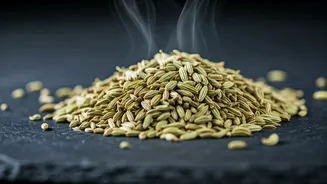
of gas in the gastrointestinal tract or facilitate its expulsion. This is why you'll often find roasted coriander seeds served as a mukhwas, or mouth freshener and digestive, after a heavy meal. The wisdom behind this practice is rooted in the seeds' ability to soothe an agitated gut, making them a first-line-of-defence against common issues like indigestion, gas, and the dreaded bloat.
The Science Behind the Sip
Modern science is beginning to understand what traditional medicine has known for ages. Coriander seeds contain essential oils, including linalool and geranyl acetate, which are believed to have a relaxing effect on digestive muscles. This relaxation can help ease the cramping and spasms that contribute to bloating and discomfort. Furthermore, studies suggest coriander seeds can stimulate the production of digestive enzymes and juices, which helps improve the overall digestive process. By breaking down food more efficiently, your system is less likely to produce the excess gas that leads to that tight, swollen feeling. The seeds also possess mild anti-inflammatory and antibacterial properties, which can contribute to a healthier gut environment.
Your Simple Morning Ritual
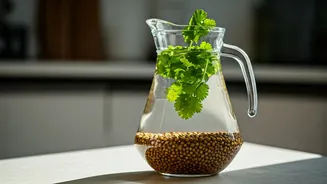
Preparing coriander seed water is incredibly simple, requiring just two ingredients and a little bit of time. Here’s the most common method: 1. **Measure**: Take one tablespoon of whole coriander seeds. 2. **Soak**: Add the seeds to one large glass (about 250-300 ml) of drinking water in the evening. 3. **Steep**: Cover the glass and let the seeds soak overnight. This allows the water to gently infuse with the seeds' beneficial compounds. 4. **Strain and Sip**: In the morning, strain the water to remove the seeds. Drink the infused water on an empty stomach, about 20-30 minutes before your breakfast. For a quicker version, you can boil one tablespoon of seeds in two cups of water until the liquid reduces by half. Let it cool slightly, strain, and drink. However, the overnight soaking method is often preferred as it's a gentler infusion that preserves more of the delicate essential oils.
Timing Is Everything
The recommendation to drink this infusion in the morning on an empty stomach is strategic. When your stomach is empty, the infused water can be absorbed more quickly and efficiently, allowing its active compounds to get to work on your digestive system without interference from other foods. Starting your day this way can help 'prepare' your gut for the meals to come, potentially reducing the likelihood of bloating later on. It sets a soothing, gentle tone for your digestion, making it an excellent addition to a mindful morning routine.
Beyond Bloating: Other Potential Benefits
While easing digestive woes is its primary traditional use, coriander water is also associated with other potential health perks. Its diuretic properties may help the body flush out excess sodium and water, which can also contribute to a feeling of puffiness. Some traditional practices also use it to promote clear skin, manage blood sugar levels, and support thyroid function. It's rich in antioxidants like Vitamin C, Vitamin K, and Vitamin A, which help fight free-radical damage in the body. While these benefits are part of its holistic profile, it’s important to see this drink as a supportive habit rather than a cure-all.