




The Unseen World of a Train Carriage
Public transport systems, including trains, are bustling hubs teeming with microscopic life. Studies have identified a wide array of bacteria on frequently touched surfaces like seats, handles, window frames, and tables. While most of these microbes are harmless
human skin bacteria, some can include pathogens like E. coli and Staphylococcus aureus. These germs are transferred when people touch contaminated surfaces and then touch their faces, particularly their eyes, nose, or mouth. The goal isn't to be alarmed, but to be aware. Minimising contact with germs and practising good hand hygiene is the most effective way to protect yourself from potential illness during your journey.
Hand Sanitiser: Your First Line of Defence
When travelling by train, constant access to soap and clean water is not always guaranteed. This is where an alcohol-based hand sanitiser becomes an indispensable tool. According to health authorities like the CDC, a sanitiser with at least 60% alcohol is highly effective at killing most germs and bacteria quickly. It's the perfect solution for those in-between moments: after handling luggage, touching door latches, holding onto railings, or before and after eating. While washing hands with soap and water is considered the gold standard, especially if hands are visibly dirty, sanitiser is an excellent and convenient alternative for situations where a sink isn't available. For it to be effective, apply enough to cover all surfaces of your hands and rub them together until they are dry.
The Toilet Seat Cover Conundrum
The state of train toilets can be a major source of travel anxiety. While experts note that the risk of catching an illness directly from a toilet seat is low, using one provides a valuable physical and psychological barrier. Toilet seat covers are not designed to kill germs, but to create a layer between your skin and the surface, reducing direct contact with whatever might be there. This is especially useful in a moving train where 'hovering' can be a difficult balancing act. Using a disposable cover provides peace of mind and a cleaner experience. While paper covers are common, they can become porous if wet. Waterproof or plastic versions offer more reliable protection. Ultimately, the biggest benefit is feeling more comfortable and in control of your immediate environment.
Building Your Complete Travel Hygiene Kit
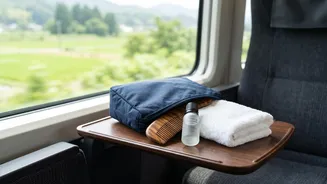
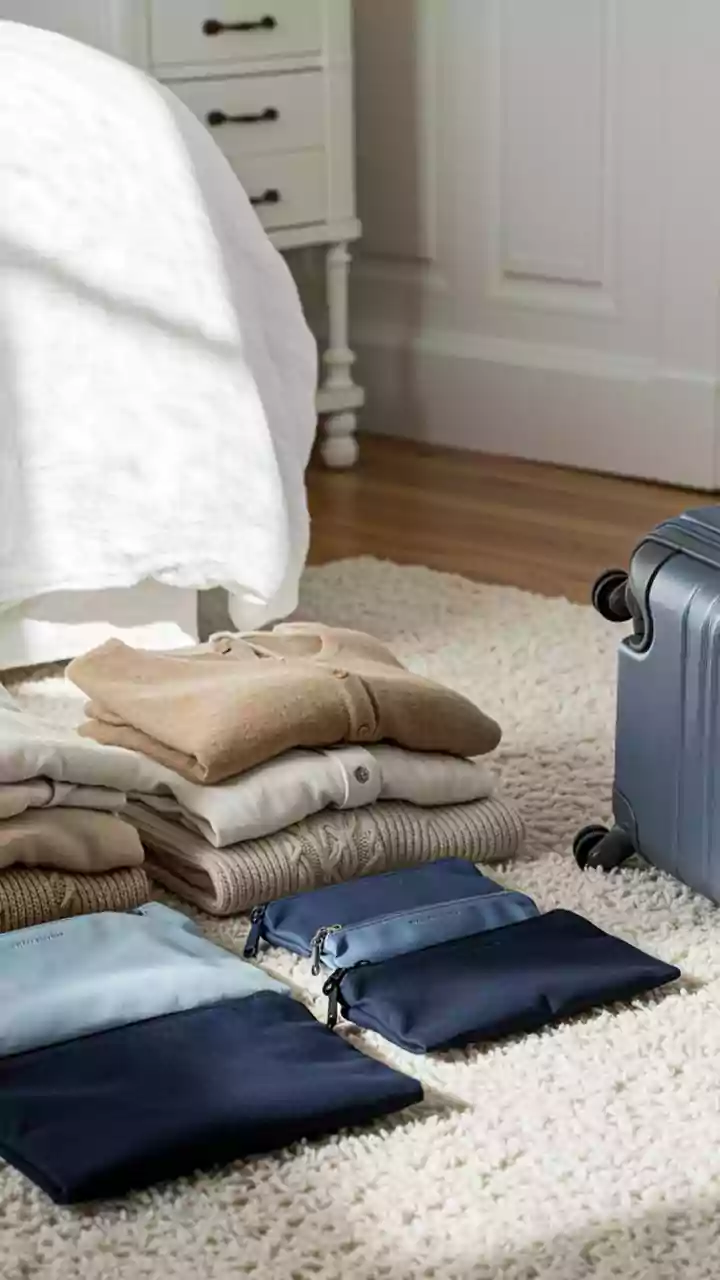
While hand sanitiser and toilet seat covers are stars of the show, a few other items can complete your personal hygiene arsenal for a train trip. Consider packing disinfectant wipes to quickly clean your seat-back tray table, armrests, or any other surface in your immediate area. Tissues or toilet paper are multi-purpose essentials, useful for everything from wiping your hands to cleaning up small spills. If you're on a long or overnight journey, items like a personal soap or soap strips, face wash, and a small towel will greatly enhance your comfort. Packing these items in a small, accessible pouch means you won't have to rummage through your main luggage every time you need them.