


Beyond the Basics
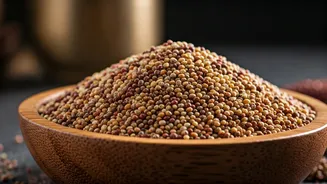
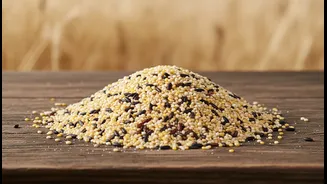
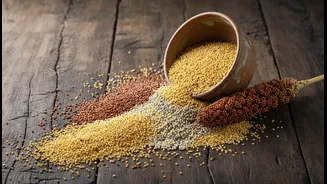
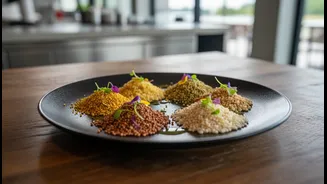
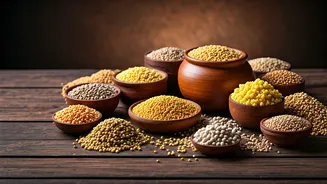
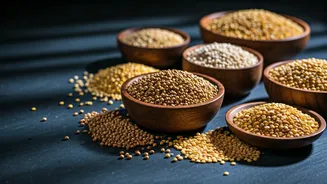
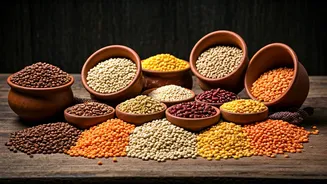
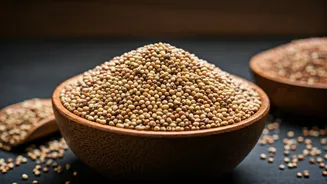
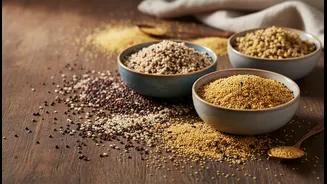
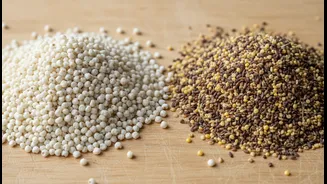
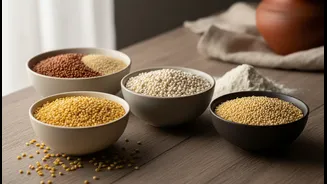
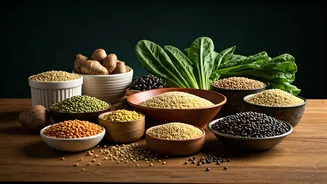
For generations, Indian kitchens have been dominated by wheat and rice. But a quiet revolution is happening on our plates. Ancient and heritage grains — think millets like ragi, jowar, and bajra, as well as global favourites like quinoa and amaranth — are
making a major comeback. These aren't new discoveries; many, like millets, were staples in India for thousands of years before the Green Revolution prioritized high-yield wheat and rice. Today, they are being rediscovered by a new generation of health-conscious consumers, innovative chefs, and home cooks looking for more than just sustenance from their staples. Once considered 'poor man's food', these grains are now reclaiming their space in urban pantries and on upscale restaurant menus.
A Prescription for Better Health
One of the biggest drivers of this trend is a collective shift towards healthier eating. Consumers are increasingly aware of the connection between diet and well-being, and ancient grains fit the bill perfectly. Compared to modern, refined wheat and rice, these grains are nutritional powerhouses. Millets, for example, are packed with protein, fibre, and essential minerals like calcium and iron. Many ancient grains have a lower glycemic index, which helps in managing blood sugar levels, making them a preferred choice for individuals with diabetes. They are also often easier to digest and can be a great option for those with gluten sensitivities, as many, like quinoa and millets, are naturally gluten-free. Studies suggest that a diet rich in a variety of whole grains can lead to better gut health, improved heart health, and a lower risk of chronic diseases.
The Flavour and Texture Factor
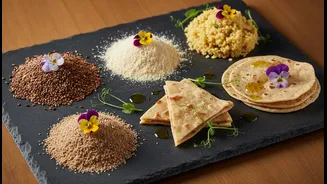
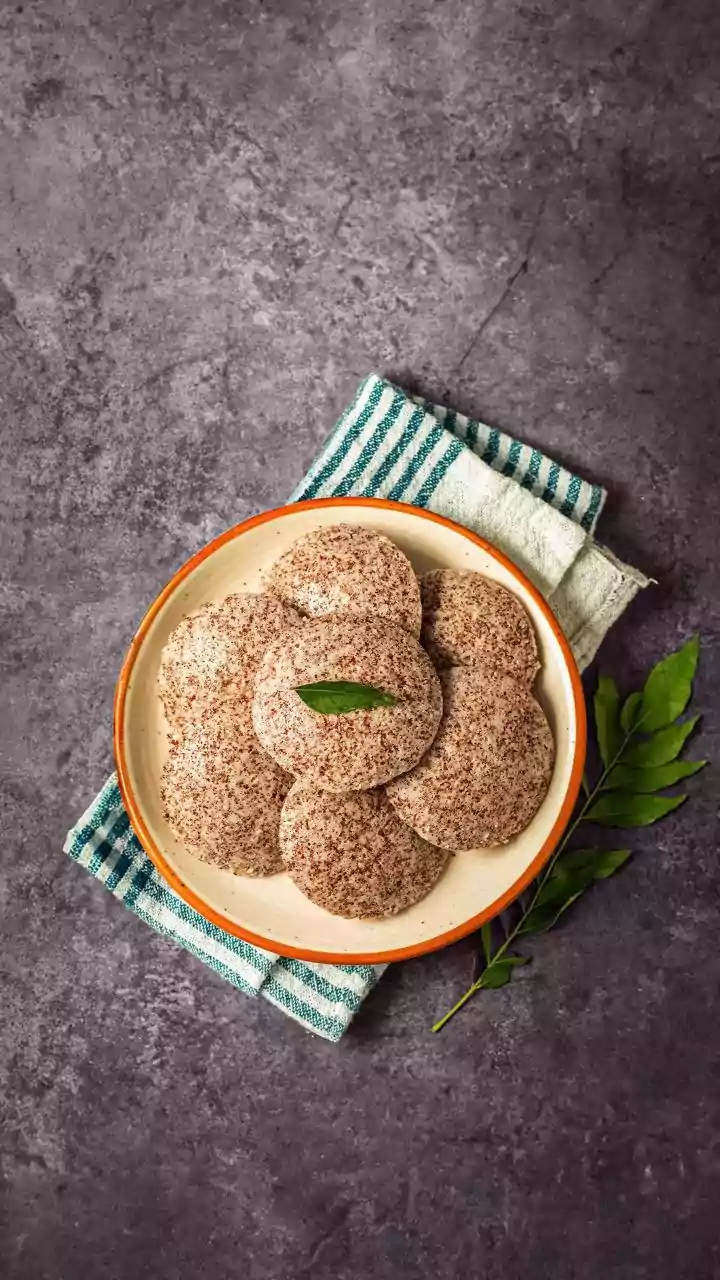
Health is a major draw, but it's the unique taste and texture that are convincing food lovers to make the switch. Chefs and home cooks are embracing the culinary versatility of these grains. Jowar and bajra are being used for more than just traditional rotis; they're appearing in everything from breakfast porridges and upma to cakes and cookies. Quinoa adds a delightful pop to salads, while the nutty flavour of spelt or emmer (khapli) wheat elevates bread and pasta. This culinary experimentation is transforming modern Indian cuisine, blending tradition with new techniques. Desserts are also getting a healthy makeover, with traditional sweets like kheer and halwa being reinterpreted with various millets, offering a guilt-free indulgence.
A Sustainable Choice for a Changing Planet
In an era of growing environmental concerns, the sustainability of our food choices matters more than ever. Many ancient grains, particularly millets, are champions of resilience. These hardy crops are often drought-resistant, require significantly less water than rice and wheat, and can thrive in poor soil conditions with fewer pesticides and fertilisers. For example, cultivating one kilogram of millet can require as little as 79 litres of water, compared to nearly 600 for rice and over 700 for wheat. By choosing to incorporate these grains into our diet, we are not just making a choice for our health, but also supporting biodiversity and promoting a more sustainable and climate-resilient agricultural system that can help ensure food security for the future.
The Indian Millet Renaissance
The resurgence of millets in India has been particularly remarkable, bolstered by government initiatives like the 'International Year of Millets' in 2023. This has sparked a national conversation about the value of these traditional crops. What were once regional staples are now celebrated as 'nutri-cereals' across the country. Food companies are launching a host of millet-based products, from breakfast cereals and snacks to ready-to-cook mixes, making them more convenient and accessible than ever for urban consumers. This revival is not just a trend but a powerful movement that reconnects Indians with their agricultural heritage while paving the way for a healthier and more sustainable food future.