




Why Roots Need to Breathe
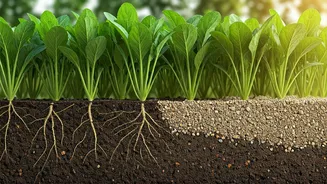
We often think of plants breathing through their leaves, absorbing carbon dioxide and releasing oxygen. But their roots have a respiratory system of their own. Roots need to absorb oxygen directly from small air pockets within the soil. This process,
called cellular respiration, is crucial for breaking down sugars created during photosynthesis and converting them into energy. This energy fuels everything the plant does, from sprouting new leaves and flowers to fighting off pests and diseases. Without access to oxygen, roots cannot perform their basic functions. Think of it like this: a plant without airy soil is like a person trying to run a marathon while holding their breath. It simply doesn't work.
The Danger of Suffocating Soil
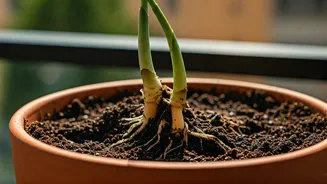
The most common issue in balcony pots is soil compaction and overwatering. When soil particles are packed too tightly or are completely saturated with water, there are no air pockets left. The roots effectively start to drown. This leads to a condition called root rot. The first signs are often mistaken for under-watering: yellowing leaves, wilting, and stunted growth. Confused, many gardeners add more water, which only worsens the problem. In an oxygen-deprived, waterlogged environment, anaerobic bacteria and fungi thrive. These microorganisms attack the weakened roots, turning them brown, mushy, and foul-smelling. Once root rot sets in, it’s very difficult to reverse, and the plant is often lost. Prevention is, therefore, the only real cure.
Choose the Right Potting Container
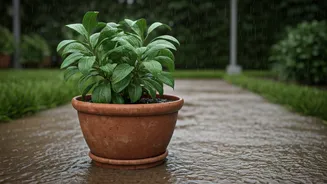
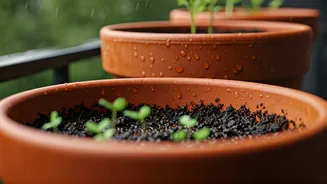
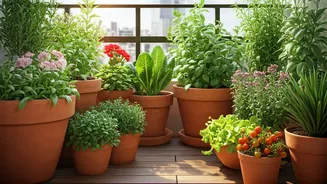
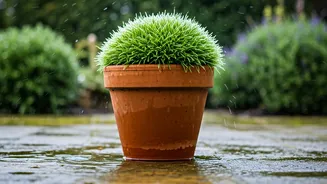
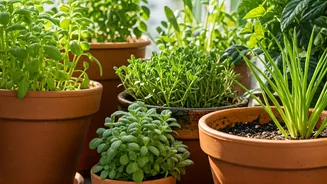
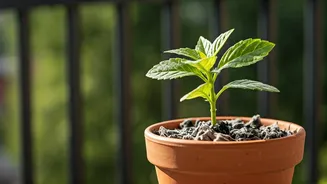
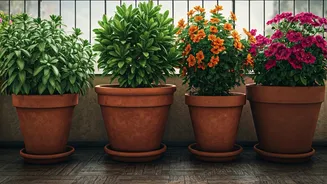
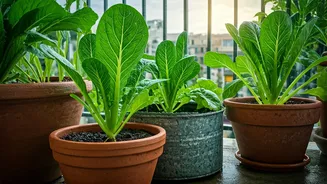
Your plant’s home is the first line of defence against root suffocation. The most important feature of any pot is drainage. Ensure it has at least one, and preferably several, drainage holes at the bottom. This allows excess water to escape freely. When it comes to material, terracotta or clay pots are excellent choices. Their porous nature allows air and moisture to pass through the sides of the pot, promoting aeration and helping the soil dry out more evenly. This is especially beneficial in humid Indian climates. Plastic pots are cheaper and retain moisture longer, which can be useful for thirsty plants, but they offer zero breathability through their walls. If you use plastic, be extra vigilant about your soil mix and watering habits. Whatever you choose, never let your pot sit in a saucer full of water for extended periods.
Create a Light and Airy Soil Mix
Standard garden soil or 'mitti' is too dense for containers. On its own, it compacts easily, squeezing out air. A good potting mix for balcony gardens is all about creating structure and airspace. You don’t need a complicated formula. A simple, effective mix for most plants can be made with three basic ingredients: one part garden soil, one part compost or vermicompost for nutrients, and one part 'aerator'. Good aerators are readily available materials like coco peat (coir), perlite, or even coarse sand. Coco peat is fantastic as it holds moisture while maintaining a light, spongy structure. Perlite, those tiny white volcanic rocks, creates permanent air pockets. A balanced mix will feel light and fluffy in your hands, not heavy and muddy. This structure ensures that even after watering, tiny channels for air remain open for the roots.
Master the Art of Watering
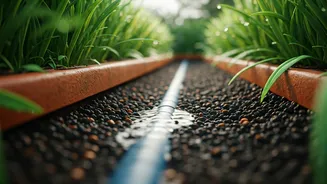
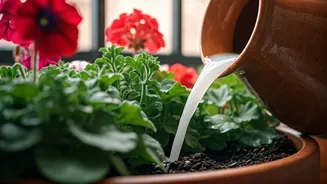
Overwatering is the number one killer of container plants. It’s the primary way gardeners unintentionally suffocate their plant's roots. The golden rule is to water deeply but infrequently. Instead of giving a little splash every day, wait until the top one or two inches of soil feel dry to the touch. You can check this by simply poking your finger into the pot. When it’s time to water, do so thoroughly until you see water running out of the drainage holes. This ensures the entire root ball gets a drink and also helps flush out any accumulated salts. After a deep watering, discard the excess water from the saucer. This wet-and-dry cycle is perfect for plants, allowing them to drink what they need and then letting the soil breathe.