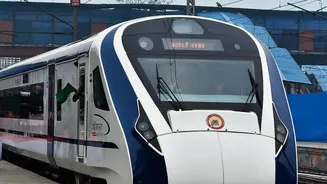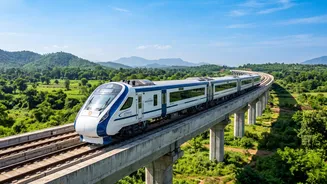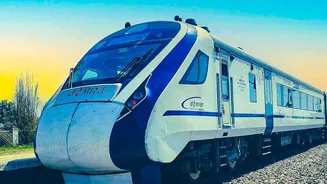




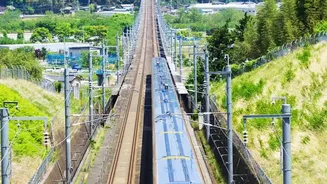
India's dream of high-speed rail is rapidly turning into reality. The nation's first-ever bullet train service is slated to begin operations on the Surat-Vapi section, offering a glimpse into the future of travel in the country.
The Inaugural Run: What to Expect
The first commercial bullet
train service in India is expected to launch in the last quarter of 2027, connecting the key industrial hubs of Surat and Vapi in Gujarat. This initial operational segment is part of the larger 508-kilometre Mumbai-Ahmedabad High-Speed Rail (MAHSR) corridor. Railway Minister Ashwini Vaishnaw has confirmed this phased rollout, which allows the public to experience high-speed travel even as work continues on the more complex parts of the line. Before passenger services begin, trial runs are scheduled to take place on a 50-km stretch between Surat and Bilimora by May 2027, a crucial step to ensure all systems are functioning perfectly. This marks a significant moment for the National High Speed Rail Corporation Limited (NHSRCL), the body executing this ambitious project.
A Leap in Speed and Technology
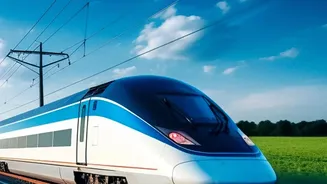
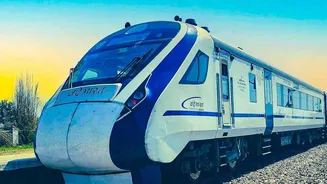
The trains set to debut are indigenously developed B28 trainsets, a major achievement for the 'Make in India' initiative. These trains are designed for a maximum speed of 280 km/h, though initial operations will likely be at around 250 km/h. This represents a monumental leap from the current rail network's capabilities. A major technical milestone was achieved in November 2026 when the overhead electrical equipment on the Surat-Bilimora section was 'energised', powering up the line for the first time. The project utilizes a sophisticated 2x25 kV traction system, similar to those used in Japan's famed Shinkansen network, ensuring a stable power supply for the high-speed operations.
Why Surat to Vapi First?
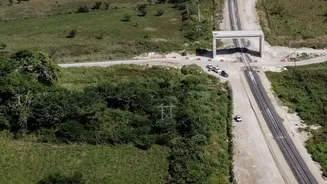
The decision to launch the Surat-Vapi corridor first is a strategic one. This section, located entirely within Gujarat, has seen faster progress in land acquisition and construction compared to the portions in Maharashtra. The elevated viaducts, bridges over four rivers, and station civil works in this segment are largely complete. By operationalising this stretch, Indian Railways can test its systems, gather operational data, and build public confidence. The Surat-Vapi route is a vital economic artery, and connecting it with high-speed rail is expected to provide an immediate boost to business and commuter travel in the region. Finishing touches, including architectural work and the installation of noise barriers, are currently underway to prepare for the launch.
The Bigger Picture: Connecting Mumbai and Ahmedabad
While the Surat-Vapi launch is cause for celebration, it is just the first phase of a much grander vision. The ultimate goal is the full 508-km corridor connecting Mumbai with Ahmedabad, which will slash travel time between the two financial powerhouses to just under two hours from the current eight to nine hours by road. Work on the entire corridor is progressing steadily. As of late 2026, a significant portion of the pier and viaduct work has been completed. Work in Maharashtra, which had seen earlier delays, is also picking up pace, including the construction of a 21-km tunnel, which features a 7-km undersea portion beneath Thane Creek—another first for India. The full corridor is targeted for completion by 2029.
What This Means for India
The start of bullet train services, even on a partial route, is more than just a new transportation option; it's a symbol of India's technological and infrastructural leap. The project is expected to have a multiplier effect on the economy, driving development in towns and cities along the corridor. It will also foster a new ecosystem of high-speed rail manufacturing and maintenance in the country. The B28 trainsets themselves are a testament to this, with features like pressurised cabins, ergonomic seating for about 557 passengers, and advanced safety controls. This project serves as a blueprint for future high-speed corridors planned across the country, fundamentally changing how Indians will travel in the decades to come.