






The Body’s Secret Network
For decades, we’ve pictured the body as a collection of distinct parts. The liver detoxifies, fat stores energy, and the immune system fights invaders. While true, this view is incomplete. Scientists are uncovering a hidden layer of communication, a constant
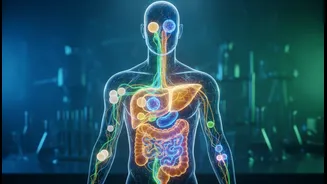
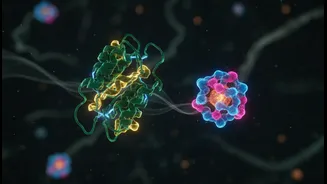
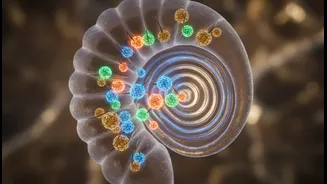
‘crosstalk’ between organs that shapes our metabolic health. This conversation happens through microscopic messengers, primarily proteins, that travel through the bloodstream, carrying instructions from one organ to another. This shift in understanding re-frames our view of health from isolated systems to a deeply interconnected network, where a problem in one area can be triggered by a signal from somewhere else entirely.
Meet the Messengers: Adipokines and Hepatokines
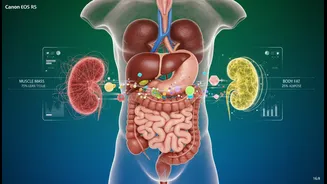
The stars of this new field are specific types of protein signals. When they come from fat tissue (adipose), they are called 'adipokines'. When they originate in the liver, they are 'hepatokines'. This confirms what researchers have suspected for years: fat is not just a passive storage unit. It is a dynamic endocrine organ, much like the thyroid or pancreas, that actively sends out messages. A healthy amount of fat tissue sends out signals that help regulate metabolism and inflammation. However, in states of obesity, the type and volume of these signals change dramatically, creating a cascade of effects across the body. The liver, in turn, responds to these signals and sends back its own, creating a feedback loop that can either maintain health or drive disease.
The Fat, Liver, and Immune Conversation
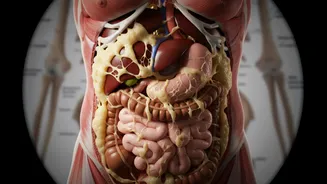
So what are these organs discussing? A lot, it turns out. In a healthy body, the communication is harmonious. Fat tissue might send a signal (like the adipokine adiponectin) that tells the liver to remain sensitive to insulin. But when there is excess, dysfunctional fat tissue, the messages turn sour. Pro-inflammatory adipokines are released, essentially sending alarm signals to the liver and immune system. The liver, bombarded with these signals and excess fatty acids, can become insulin-resistant and start accumulating fat, a condition known as non-alcoholic fatty liver disease (NAFLD), which is increasingly common in India. The immune system gets drawn into this problematic conversation. It interprets the inflammatory signals as a sign of trouble, deploying immune cells that can unfortunately add to the inflammation in the liver and fat tissue, worsening the overall metabolic picture.
A New Lens on Metabolic Disease
This concept of inter-organ crosstalk revolutionises how we see conditions like metabolic syndrome, type 2 diabetes, and NAFLD. Instead of simply being a 'liver problem' or a 'pancreas problem', they can be seen as diseases of communication. The old theory for liver disease, for example, was a 'two-hit' model: first fat accumulates, then a second event like inflammation causes damage. The new 'multiple parallel hits' hypothesis suggests it’s a more complex, continuous process driven by this faulty messaging between fat, the gut, the immune system, and the liver. This explains why obesity is a risk factor for so many seemingly unrelated issues; the constant barrage of inflammatory signals from excess fat can disrupt the function of multiple organs over time.
The Limits of the New Science
While this is a thrilling frontier, it is important to manage expectations, as the headline suggests. Understanding this complex network is one thing; learning how to safely and effectively manipulate it is another challenge entirely. Scientists are still identifying the vast number of protein signals and decoding their specific functions and interactions. As of now, there are no approved drugs that specifically target this organ-to-organ crosstalk to treat conditions like NAFLD. The research provides a powerful new context and potential future targets for drug development, but it does not offer an immediate cure or a shortcut past established health advice. The fundamental message remains the same.