





Monsoon: A Paradise for Pests
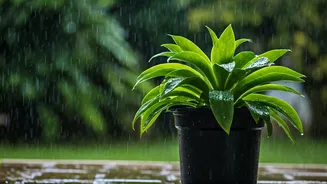
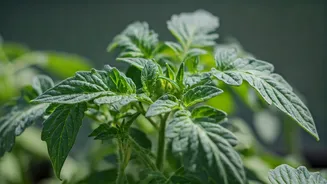
The joy of seeing your tomato plants flourish can quickly turn to frustration during the monsoon. The combination of high humidity and frequent rain creates the perfect breeding ground for a host of garden pests. In India, the rainy season sees a surge
in insects like aphids, whiteflies, spider mites, and mealybugs, all of which are notorious for attacking tomato plants. These pests feed on the sap from leaves and stems, causing leaves to yellow, curl, and wilt. If left unchecked, a small infestation can quickly overwhelm a plant, stunting its growth and ruining your chances of a juicy harvest. This is where a proactive, organic approach becomes essential.
Nature’s Guard: Understanding Neem Oil
Derived from the seeds of the neem tree (Azadirachta indica), which is native to India, neem oil is a powerful and natural pesticide that has been used for centuries. Its effectiveness lies in its active compounds, primarily azadirachtin. This compound doesn't just kill insects on contact; it acts as a growth regulator and antifeedant. When pests ingest it, it disrupts their hormonal systems, preventing them from feeding, moulting, and reproducing. Unlike harsh chemical pesticides, neem oil is biodegradable and is generally safe for beneficial insects like bees and ladybugs when applied correctly. It also has fungicidal properties, helping to protect against common monsoon diseases like powdery mildew.
Your Simple Neem Solution Recipe
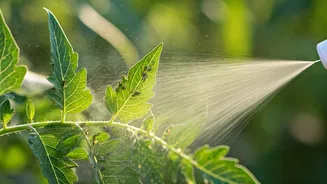
Making your own neem oil spray is more effective and economical than buying pre-mixed solutions. For a basic, all-purpose spray, you will need three simple ingredients: cold-pressed neem oil, a mild liquid soap, and warm water. The soap acts as an emulsifier, allowing the oil and water to mix. To make one litre of spray, which is ideal for a small balcony garden, follow this ratio: combine one teaspoon (5 ml) of neem oil with one-third of a teaspoon (1-2 ml) of mild liquid soap in a spray bottle. Then, add one litre of warm water and shake the mixture vigorously until it is well combined. It is crucial to use the mixture immediately, as neem oil begins to degrade and lose its potency within about eight hours of being mixed with water.
The Art of Application
Proper application is key to success and preventing any harm to your plants. The single most important rule is to spray in the late evening or early morning. Applying neem oil in direct sunlight or high temperatures can cause the oil droplets to act like tiny magnifying glasses, resulting in leaf burn, a condition known as phytotoxicity. Before spraying the entire plant, always perform a patch test on a single leaf and wait 24 hours to check for any adverse reactions. When you spray, ensure thorough coverage, paying special attention to the undersides of leaves, where pests like aphids and whiteflies love to hide. Shake the bottle frequently during application to keep the solution emulsified.
Building a Protective Routine
Consistency is your best defence against monsoon pests. For preventative care, apply your neem oil spray once every 7 to 14 days. This regular application will deter new pests from settling on your plants. If you are already dealing with an active infestation, you will need to be more aggressive. Spray the affected plants every 3 to 4 days until you see a significant reduction in the pest population. Once the pests are under control, you can return to a weekly preventative schedule. Remember that neem oil works over time, so be patient and diligent with your routine for the best results.
Beyond Neem: A Holistic Defence
While neem oil is a powerful tool, it works best as part of an integrated pest management strategy. Ensure your tomato plants have good air circulation by not overcrowding them; this helps reduce humidity and fungal growth. Regularly inspect your plants for early signs of pests, and physically remove any you see by hand. Pruning lower leaves that are close to the soil can also help prevent pests from climbing onto the plant. Companion planting with herbs like basil and flowers like marigolds can also help repel common tomato pests like whiteflies and aphids. By combining these practices, you create a resilient and healthy environment for your balcony tomatoes to thrive.