






The Incredible Shrinking Night Sky
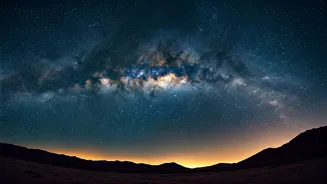
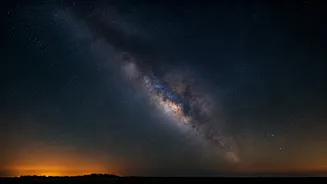
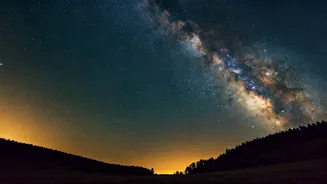
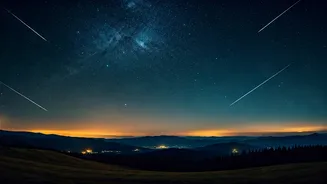
For anyone living in or near a major Indian city, a star-filled sky is a forgotten spectacle. The culprit is light pollution, the excessive and poorly directed artificial light that creates a permanent 'skyglow' over urban areas. This ever-present haze
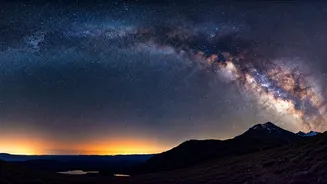
doesn't just block our view of the Milky Way; it has a real impact. It disrupts the behaviour of nocturnal wildlife, affects human sleep cycles, and hampers critical scientific research. Once a nightly spectacle for our ancestors, the star-studded canvas is now a rare treasure, something that more and more people are willing to travel hundreds of kilometres to witness. This has sparked a new wave of travel known as astro-tourism, a quest to reconnect with the cosmos.
A Beacon of Hope in Ladakh
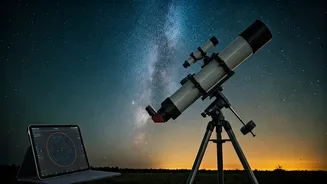
In the remote, high-altitude desert of Ladakh lies India's biggest statement in the fight for darkness: the Hanle Dark Sky Reserve. Officially notified in late 2022, this is India's first sanctuary of its kind, a region committed to keeping its skies pristine. Centred around the Indian Astronomical Observatory, one of the world's highest, the reserve covers a vast area within the Changthang Wildlife Sanctuary. Here, at an altitude of 4,500 metres, the dry, thin air and minimal human settlement provide near-perfect conditions for looking at the universe. The establishment of the reserve is a landmark collaboration aimed at both preserving a critical site for scientific research and empowering the local community through a unique, sustainable form of tourism.
Where to Find the Stars (For Now)
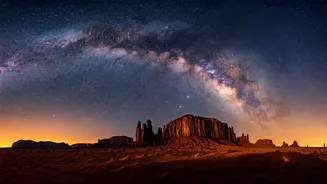
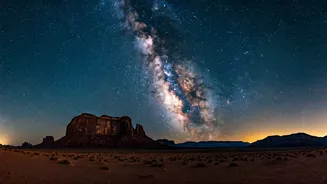
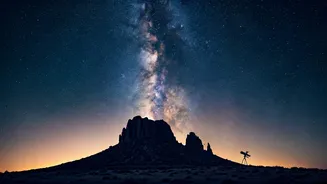
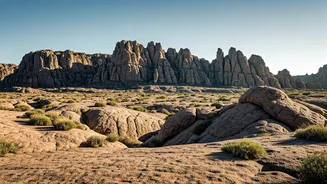
While Hanle is the crown jewel, other corners of India still offer breathtaking views of the night. In Himachal Pradesh, the stark and stunning Spiti Valley offers a similar high-altitude, cold-desert environment where ancient monasteries are silhouetted against a tapestry of stars. Further south, the coffee plantations and rolling hills of Coorg in Karnataka provide pockets of low light pollution, making it a popular choice for stargazers in the Western Ghats. Out west, the vast, flat expanse of the Rann of Kutch in Gujarat creates a surreal landscape where the sky feels endless, offering an unobstructed 360-degree celestial view, especially during the cooler winter months. Each of these locations offers a unique blend of culture, landscape, and cosmic wonder.
The Gentle Rise of Astro-Tourism
Astro-tourism is quickly moving from a niche hobby to a significant travel trend in India. After the Hanle Dark Sky Reserve was designated, visitor numbers to the remote village surged, showing a clear public appetite for authentic celestial experiences. This new form of tourism offers a powerful incentive for conservation. By creating economic opportunities for remote communities—training locals as astronomy guides and promoting homestays—it demonstrates that a dark sky is a valuable resource worth protecting. The Pench Tiger Reserve in Maharashtra was recently named India's first Dark Sky Park, integrating stargazing with wildlife tourism and further cementing the trend. This approach blends science, nature, and community, offering a travel experience that is both awe-inspiring and meaningful.
How to Be a Responsible Stargazer
As more people seek out these dark sky destinations, it's crucial to travel responsibly to protect the very thing we've come to see. The principles are simple but effective. Use light responsibly; if you need a torch, use one with a red filter, as red light is less disruptive to night vision and nocturnal wildlife. Always follow 'Leave No Trace' principles by packing out everything you bring in. Support the local economy by staying in homestays and hiring local guides. By being mindful, tourists can become active partners in preservation, ensuring these celestial sanctuaries remain for future generations to enjoy. The goal is to ensure that tourism supports the environment and the local communities that are the guardians of these dark skies.