


Why Monsoon Demands Extra Vigilance
The rainy season's defining features—high humidity and warm, fluctuating temperatures—are precisely what harmful microorganisms love. This environment accelerates the spoilage of food, making bacteria like E. coli and Salmonella more common. Food that
might be safe at room temperature for a couple of hours in dry weather can become risky much faster during the monsoon. Contaminated water sources can also increase the risk, affecting everything from washed vegetables to the ice in our drinks. It’s a time when foodborne illnesses like gastroenteritis, typhoid, and cholera see a spike, making proper kitchen hygiene and food handling more critical than ever.
The Golden Rules of Reheating
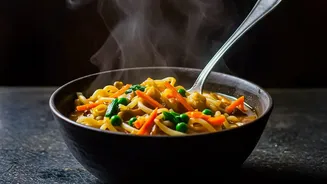
The primary goal of reheating is not just to make food warm, but to make it safe. The key is to bring leftovers to a temperature high enough to kill any bacteria that may have multiplied during storage. According to food safety experts, all leftovers should be reheated to a uniform internal temperature of 165°F (or about 74°C). For liquids like soups, sauces, and gravies, this means bringing them to a rolling boil. A common mistake is only warming the food. It must be heated until it is steaming hot all the way through to be considered safe. Importantly, you should only reheat food once. Repeatedly cooling and reheating a dish degrades its nutrients and increases the opportunities for bacterial growth.
Proper Storage Is the First Step
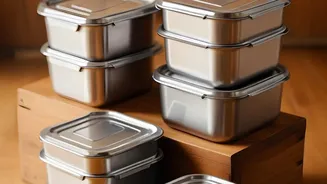
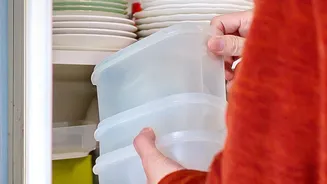
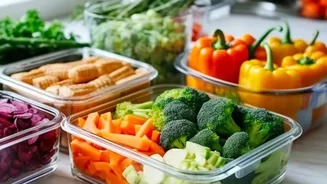
Safe reheating begins with safe storage. Never leave cooked food at room temperature for more than two hours; during the hot and humid monsoon, this window shrinks to just one hour. Perishable foods should be cooled down quickly and moved to the refrigerator promptly in airtight containers. Storing food in large, deep pots can slow down cooling, keeping the food in the temperature 'danger zone' (40°F to 140°F) where bacteria grow rapidly. Instead, divide large quantities into smaller, shallow containers to help them cool faster. Always keep raw meat and cooked food separate in the fridge to prevent cross-contamination.
Stovetop vs. Microwave: Which Is Better?
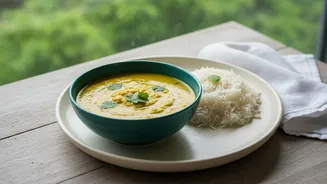
Both the stovetop and microwave are effective for reheating, provided you do it right. The stovetop offers more even heating, especially for liquids like dals and curries. Adding a splash of water can prevent them from becoming too thick or sticking to the pan. The microwave is faster, but can heat food unevenly, leaving cold spots where bacteria can survive. To combat this, cover the food with a microwave-safe lid to trap steam, which helps kill bacteria and retain moisture. It is also crucial to stir the food halfway through the heating process and let it stand for a minute or two afterward to allow the temperature to distribute evenly.
Handling Common Indian Leftovers
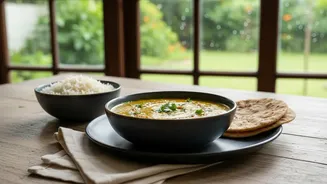
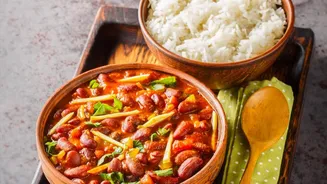
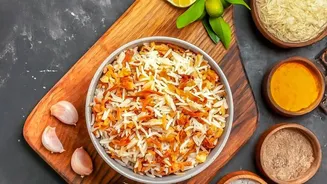
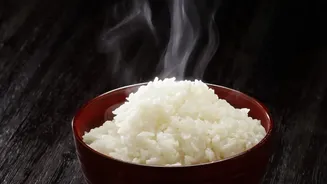
Different foods require slightly different approaches. Curries and dals reheat well on the stovetop with a little extra water to restore their consistency. Rice is a special case. Uncooked rice can contain spores of a bacteria called Bacillus cereus, which can survive cooking and produce toxins if the rice is left at room temperature. These toxins are heat-resistant, meaning reheating won't destroy them. To safely reheat rice, ensure it was cooled and refrigerated quickly after cooking. When reheating, add a bit of water, cover it, and heat until it's steaming hot throughout, reaching that safe 165°F temperature. For breads like naan or roti, you can sprinkle them with a little water and warm them in a covered pan or wrapped in foil in an oven to restore their softness.