





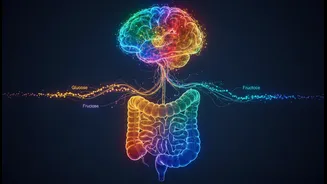


The Tale of Two Sugars
At a chemical level, glucose and fructose are simple sugars that provide the same amount of energy. Glucose is the body's primary fuel, the energy currency our cells prefer. Fructose, found naturally in fruits, is often called 'fruit sugar'. The confusion
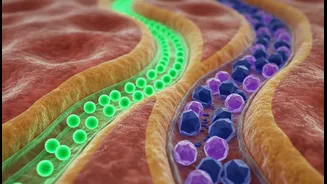
begins with added sugars, like high-fructose corn syrup, which have become widespread in processed foods and drinks. While they are both sources of energy, your body processes them differently, and this is where the gut-brain conversation starts to get interesting.
Your Gut Is a 'Second Brain'
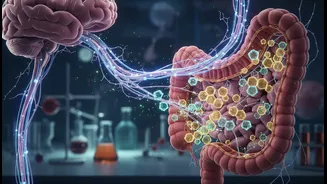
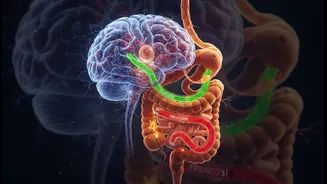
The gut-brain axis is a constant, two-way communication highway connecting your digestive system and your brain. This network involves the vagus nerve, hormones, and the immune system, all working to tell your brain what's happening in your gut. When you eat, specialized cells in your intestines detect nutrients and send signals that influence everything from hunger and fullness to mood. Sugars are a major topic of conversation on this highway, and recent research shows that the type of sugar can dramatically change the message.
What Mouse Studies Tell Us
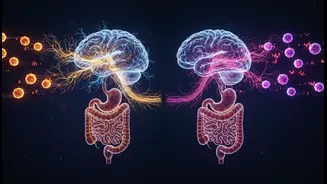
Much of what we know about the gut-brain axis comes from rodent studies. These experiments are crucial because they allow scientists to control variables in ways that aren't possible with humans. Recent studies in mice have delivered fascinating insights. For instance, researchers found that glucose strongly suppresses the activity of brain cells that drive hunger (called Agouti-related protein, or AgRP, neurons). Fructose, on the other hand, had a much weaker effect. The two sugars even use different pathways to send their signals. Fructose seems to rely on the vagus nerve, while glucose uses a different route. In some animal studies, a fructose-glucose mixture was found to be more detrimental than table sugar, affecting longevity and reproduction in female mice. These are powerful findings, but they come with a big caveat: a mouse is not a person.
Why Animal Findings Don't Always Translate
Translating nutrition research from animals to humans is fraught with challenges. Rodents have different metabolic systems, gut hormones, and even digestive anatomy—for example, rats don't have a gallbladder. Their dietary needs and lifespans are vastly different from ours. A diet given to a mouse for weeks might represent years of human consumption. A recent study highlighted that while acute, high-fructose feeding in mice caused significant gene expression changes, these effects disappeared during a longer-term study. This suggests the body may adapt in ways short-term studies can't capture. The core issue is that while animal models are invaluable for discovering biological pathways and mechanisms, they are the wrong 'whole model' if the goal is to give direct dietary advice to humans.
What We Know About Sugars in Humans
While we must be cautious about mouse headlines, human research confirms that high sugar intake, particularly from added sugars, is linked to negative health outcomes. Excessive sugar consumption can affect the brain's reward system, leading to cravings. Studies have shown that eating sugary foods triggers a release of dopamine, which reinforces the desire to eat more. Over time, this can contribute to issues like insulin resistance and cognitive decline. The key difference is that human studies, while more complex to conduct, provide the direct evidence needed for public health recommendations. They account for the genetic diversity, lifestyle factors, and complex dietary patterns that animal studies simply cannot replicate.