




The New Digital Storefront
Once, a brand needed billboards and TV spots to capture attention. Today, attention is owned by the creators who shape culture in real time on platforms like YouTube, TikTok, and Instagram. [26] These digital personalities are flipping the traditional
business model on its head. Instead of spending millions to find customers, they launch products to a built-in, loyal community that is already eager to buy into their story. [26] This creates a powerful advantage: lower customer acquisition costs, immense loyalty, and rapid market entry. [26] Food, a universal and highly visual medium, has become a prime category for this revolution. [22] It’s a shift from simply influencing purchases to owning the entire brand, turning online clout into tangible, edible products.
The Virtual Restaurant Playbook
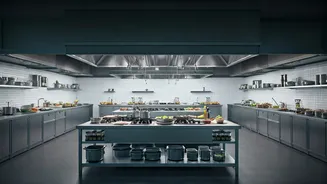
Perhaps the most explosive example of this trend is Jimmy Donaldson, better known as MrBeast. In 2020, he launched MrBeast Burger, a virtual restaurant brand that operated out of existing restaurant kitchens, known as “ghost kitchens.” [13, 16] Partnering with Virtual Dining Concepts, he scaled to over 300 locations almost overnight, a feat that took McDonald's six years to achieve. [17] The model was simple: leverage his massive YouTube following to create instant demand, while partner kitchens handled the cooking and delivery apps managed the logistics. [11] The launch video itself became a viral marketing event, driving incredible sales. [15] While the venture has faced challenges with quality control due to the decentralized nature of ghost kitchens, it set a precedent for how to build a massive food brand with minimal physical footprint. [15]
From Clicks to Supermarket Aisles
While virtual brands offer speed, others are building more permanent empires in the consumer packaged goods (CPG) space. YouTubers Logan Paul and KSI launched Prime Hydration in 2022, turning their massive rivalry-turned-partnership into a marketing masterclass. [5, 9] By building the brand publicly and involving their fans from the start, they fostered a sense of community ownership. [1] The drink became a cultural phenomenon, flying off shelves and achieving over $1.2 billion in sales by 2023. [1, 26] Similarly, YouTube star Emma Chamberlain transformed her well-known love for coffee into Chamberlain Coffee. Starting as a direct-to-consumer website, the brand leveraged her authentic connection with her Gen Z audience to expand into major retailers like Walmart and Target. [2, 3, 4] Her personal involvement has been crucial to its success, proving that when a creator's brand makes sense, the audience will follow. [8]
The Recipe for Success and Its Risks
The success of these ventures hinges on authenticity. Chamberlain Coffee works because Emma Chamberlain was already known for her coffee obsession. [3, 8] Prime Hydration succeeded by converting a public rivalry into a blockbuster partnership. [9] However, the model is not without its pitfalls. A creator's reputation is paramount, and any misstep, such as inconsistent food quality in a virtual kitchen model, can cause damage because the audience doesn't distinguish between the creator and the operator. [15] Furthermore, success often requires a hybrid model: the creator provides the vision and the audience, while experienced operators handle the complex logistics of manufacturing, distribution, and finance. [26] As seen with Chamberlain Coffee's fundraising challenges and executive turnover, even popular brands face significant operational hurdles. [6]
What It Means for India's Creator Economy
While many of the largest examples are international, the playbook is universal and poised to make a huge impact in India. The country has a vibrant ecosystem of food influencers, from celebrity chefs like Ranveer Brar and Pooja Dhingra to a new generation of digital creators like Shivesh Bhatia. [27, 28, 30] Pooja Dhingra has already found success with her bakery chain Le15 Patisserie, proving the path from creator to entrepreneur is viable. [28] As India’s food delivery and quick-commerce networks like Swiggy and Zomato mature, the infrastructure for launching virtual brands or specialized products is firmly in place. [29] For Indian creators who have built dedicated communities around food, the opportunity to move from content to commerce is not just a possibility, but the next logical step in building their own empires.