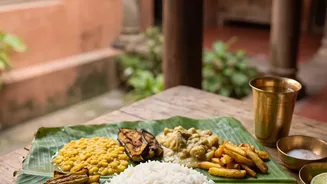








You’re in a new city, hungry and faced with a choice: the flashy restaurant on the main square, or the quiet, unassuming spot on a side street. More often than not, the path to a truly memorable meal means walking away from the crowds.
The Tourist Trap Formula
Restaurants in prime
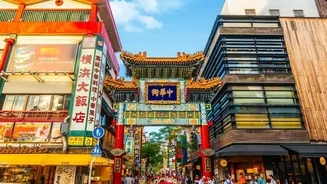
tourist locations operate on a business model built for volume, not necessarily value. High rents and the constant flow of new, non-repeat customers create an environment where the main goal is turnover. The menu is often a sprawling, laminated affair, designed to appeal to everyone and offend no one, with dishes that are generic and predictable. This business model frequently relies on centralized food production, using frozen or pre-packaged ingredients to ensure consistency and control costs. The result is food that is often mediocre and overpriced, designed to be photogenic for a passing tourist rather than delicious for a discerning diner. The focus is on location and efficiency, which can leave the actual culinary experience feeling soulless and forgettable.
The Heart of a Family Kitchen
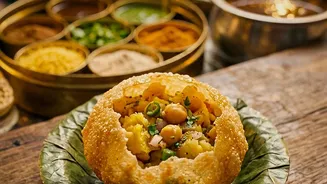
In contrast, family-run eateries operate on a different set of principles. These establishments are often the life’s work of their owners, representing generations of culinary heritage. The food isn't just a product; it’s a story, a piece of cultural identity served on a plate. The menu is typically shorter, more focused, and reflects a specific style of cooking that has been refined over years. This specialization signals a deep commitment to the craft. The owners are not just managing a business; they are sharing their passion and history. This personal investment is a powerful form of quality control, as their reputation is on the line with every meal served. This is why you'll often find a richer, more personalized experience that a chain simply cannot replicate.
Freshness, Flavour, and Authenticity
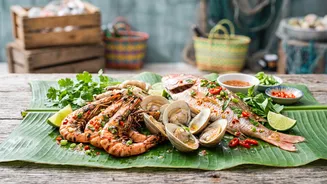
One of the most significant differences lies in the supply chain. While tourist-strip restaurants rely on industrial suppliers for consistency, local family restaurants are far more likely to build relationships with nearby farms and producers. This commitment to local sourcing means ingredients are fresher, more seasonal, and ultimately, more flavorful. A shorter supply chain not only improves taste but also reduces the environmental footprint associated with long-distance food transportation. Authenticity in this context means being true to the ingredients and the culinary traditions of a region, not adapting recipes to suit a generalized tourist palate. A family-run spot is more likely to feature dishes with unique ingredients, like offal or bitter greens, that are often the first to be cut from standardized menus.
Service With a Genuine Smile
The dining experience extends beyond the food. In a high-turnover tourist restaurant, service can feel rushed and impersonal. Staff are trained to be efficient, moving customers in and out as quickly as possible. In a family-run establishment, the atmosphere is often warmer and more personal. It’s not uncommon for the owners themselves to be taking orders, serving food, or checking on tables. They have a vested interest in your enjoyment and are often eager to share stories about their food or culture. This connection fosters a sense of community and belonging that transforms a simple meal into a memorable event. A study found that 69% of customers appreciate this familiar atmosphere and personal connection found at local restaurants.
How to Spot the Real Deal
So how do you avoid the traps and find the gems? The warning signs of a tourist-focused restaurant are often clear: a host on the street trying to lure you in, a massive menu in multiple languages with photos, or a prime location right next to a major landmark. To find an authentic spot, walk a few blocks away from the main attractions. Look for a shorter, handwritten menu, perhaps only in the local language, which suggests a focus on seasonal cooking. Peek inside and see who the customers are. A dining room filled with locals, from families to workers on their lunch break, is one of the best indicators of quality. Trust your instincts; a truly great neighborhood restaurant has an energy and pride in its craft that you can feel the moment you step inside.