





Why the Monsoon is a Danger Zone
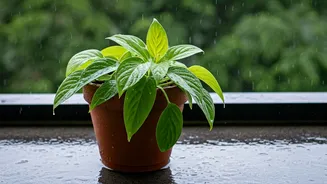
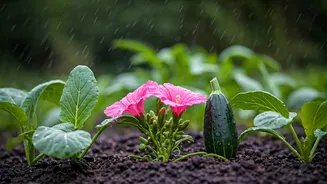
While rain is essential for life, the monsoon season in India creates a perfect storm for a fungal disease called root rot. The combination of high humidity, reduced sunlight, and frequent downpours means soil stays waterlogged for extended periods. Plant
roots need oxygen to survive, which they absorb from air pockets in the soil. When soil is saturated with water, these air pockets disappear, effectively suffocating the roots. This oxygen-deprived, damp environment is an ideal breeding ground for fungi and bacteria that attack and decay the plant's root system. Without healthy roots to absorb water and nutrients, the plant begins to decline and can eventually die if left untreated.
Identifying the Telltale Signs
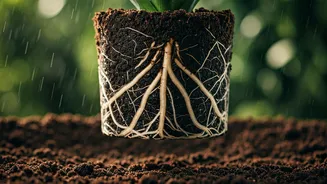
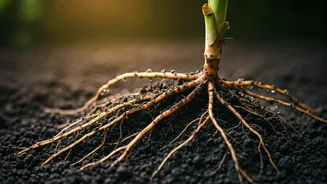
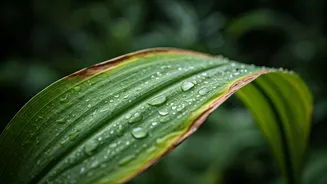
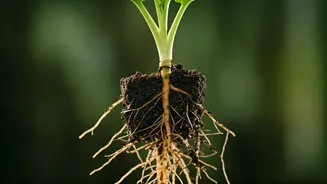
Root rot happens below the surface, but the symptoms are visible above ground. One of the most common signs is when a plant's leaves start to wilt and turn yellow, even though the soil is wet. This happens because the damaged roots can no longer absorb water effectively. Other signs to watch for include stunted or slow growth, leaves dropping, and a general look of poor health. In advanced cases, the base of the stem might feel soft and mushy. If you suspect root rot, a simple check can confirm it. Gently slide the plant out of its pot. Healthy roots are typically firm and white or tan. Rotted roots will be dark brown or black, feel mushy to the touch, and may have a foul, swampy smell.
Emergency Rescue for Your Plant
If you've confirmed root rot, you must act fast. Gently remove the plant from its pot and wash away all the old soil from the roots under lukewarm water. Using a pair of clean, sterilised scissors or pruners, carefully cut away all the dark, mushy, and dead roots. Be thorough and cut slightly into the healthy white root tissue to ensure you remove all the infection. After trimming, you can treat the remaining healthy roots with an antifungal solution. A simple homemade option is a mix of one part 3% hydrogen peroxide to one or two parts water, which helps kill remaining fungal spores. Another natural option is to dust the roots with cinnamon powder, which has antifungal properties. Finally, repot the plant in a clean pot with fresh, well-draining potting mix. Do not reuse the old soil, as it contains harmful pathogens.
Prevention: The Best Defence
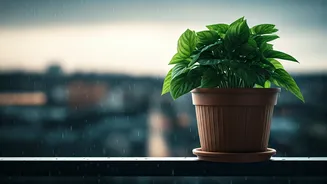
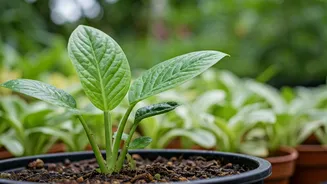
Preventing root rot is far easier than treating it. The key is drainage and proper watering. During the monsoon, you must adjust your watering schedule. Only water when the top inch or two of soil feels dry to the touch. Ensure your pots have adequate drainage holes at the bottom so excess water can escape. It's also a good idea to avoid letting pots sit in trays filled with water. Terracotta pots are often better for monsoon than plastic ones, as the porous clay helps wick away excess moisture. Good air circulation around your plants is also crucial, so avoid crowding them together. Moving plants to a covered balcony or patio where they receive bright light but are shielded from heavy, direct rain can make a huge difference.
The Right Soil for the Season
The soil you use plays a critical role in preventing waterlogging. Heavy garden soil retains too much water during the monsoon. A well-draining potting mix is essential. You can buy a pre-made mix or create your own. A good monsoon mix for pots often includes garden soil, compost, and materials that improve aeration and drainage, such as cocopeat, sand, or perlite. A sample recipe could be 40% garden soil, 30% cocopeat, 20% compost, and 10% coarse sand or perlite. This type of mix ensures that water drains through quickly while still retaining enough moisture for the plant, creating a healthy environment for the roots to breathe and grow.