





The Core Philosophy: Layering Is Everything
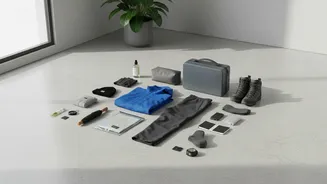
The first rule of packing for wet weather is to abandon the idea of bulky, single-purpose items. Instead, think in terms of a three-part layering system: a base layer to manage moisture, a mid-layer for insulation, and an outer shell for rain protection.
This approach gives you the versatility to adapt to changing conditions. A cool, drizzly morning might call for all three layers, while a humid afternoon downpour may only require the outer shell. This system is far more space-efficient than packing a collection of heavy jumpers and a cumbersome winter coat.
Your Outer Shell: The Non-Negotiable
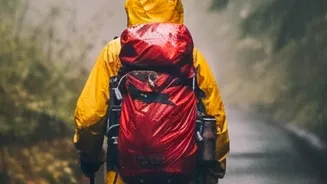
Your most critical piece of gear is a high-quality, lightweight, and packable waterproof jacket. Look for materials that are not just waterproof but also breathable. This allows perspiration to escape, so you don't end up feeling damp from the inside. A good rain jacket should be your shield against the elements, featuring sealed seams and an adjustable hood. A poncho can also work, especially for covering a backpack, but a fitted jacket is more practical for navigating cities and windy conditions. This is one item where it pays not to compromise.
Fabric Choices: The Secret to Staying Dry and Warm
The fabrics you choose are just as important as the items themselves. Rule number one: avoid cotton. Once wet, cotton takes ages to dry, leaving you cold and uncomfortable. Instead, build your travel wardrobe around quick-drying synthetic fabrics like polyester and nylon for your main clothes. For your base layers and socks, merino wool is an outstanding choice. It insulates even when damp, wicks moisture away from the skin, and naturally resists odour, meaning you can wear items more than once before washing. For a seven-day trip, a simple guideline is to pack four tops, two or three pairs of trousers, and enough socks and underwear to last the week, with a plan to do a small wash if needed.
Footwear: Your Foundation Against Puddles
Wet feet can ruin a day of travel faster than anything else. While heavy rain boots are too bulky for a cabin bag, you still need a solid waterproof option. Consider a pair of waterproof trail runners or light hiking shoes; they offer support, grip on slippery surfaces, and protection from rain. Pair them with wool or synthetic socks for maximum comfort. It is also wise to pack a second pair of shoes, like waterproof sandals or another lightweight pair, to give your main shoes time to air out and dry completely. Never travel with just one pair of shoes in the rainy season.
Smart Packing Techniques: Maximise Your Space
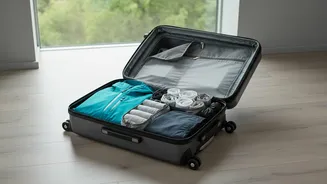
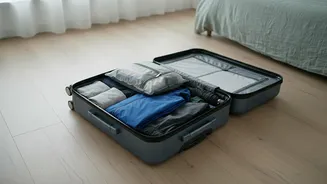
Now, how do you fit it all in? This is where technique comes into play. Rolling your clothes tightly is a classic space-saving trick. For even better organisation and compression, use packing cubes. These fabric-zippered containers allow you to compartmentalise your clothing—tops in one, bottoms in another. Some are specifically designed as waterproof compression bags, which can squeeze out excess air and offer another layer of protection against moisture. Keep a separate bag or cube for any wet or dirty laundry to keep it from mixing with your clean clothes.
Essential Accessories That Make a Difference
A few small items can have a huge impact on your comfort. Pack a quick-dry microfibre towel; it’s far more absorbent and faster-drying than a standard cotton towel and takes up minimal space. Bringing a few ziplock or waterproof pouches is a non-negotiable for protecting your passport, phone, and other electronics from a sudden downpour. For extra protection against humidity, tossing a few silica gel packets into your bag can help absorb ambient moisture and keep your electronics safe. An umbrella can still be useful for quick dashes in the city, provided winds are not too high.