





Why This Trend Is Peeling Good
The turn towards using fruit peels in beauty routines isn't just a fleeting trend; it's rooted in a growing desire for sustainability and natural ingredients. As consumers become more conscious of what they put on their skin, the appeal of upcycling kitchen
scraps into something beneficial is strong. Brands and DIY enthusiasts alike are realising that peels, which are a fruit's first line of defence against environmental stressors, are often packed with potent compounds like antioxidants and vitamins that can benefit the skin. This approach aligns perfectly with a 'less is more' philosophy, offering a cost-effective alternative to expensive commercial products while reducing household waste.
Your Winter Skin Saviour
Winter can be particularly harsh on the skin, leaving it feeling dry, dull, and flaky. This is where fruit peels come in. The reduced sun exposure during colder months makes it an ideal time to incorporate gentle exfoliating treatments, as some fruit acids can increase sun sensitivity. Peels from fruits like oranges and pomegranates are rich in antioxidants and vitamins that can help combat winter dullness, restore hydration, and rejuvenate tired-looking skin without relying on harsh chemicals.
Orange Peels for a Brighter Glow
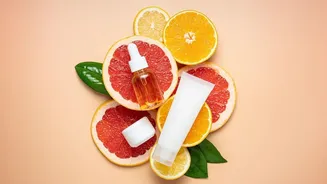
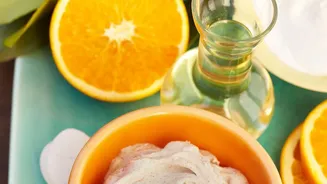
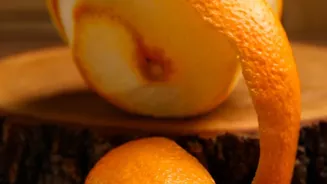
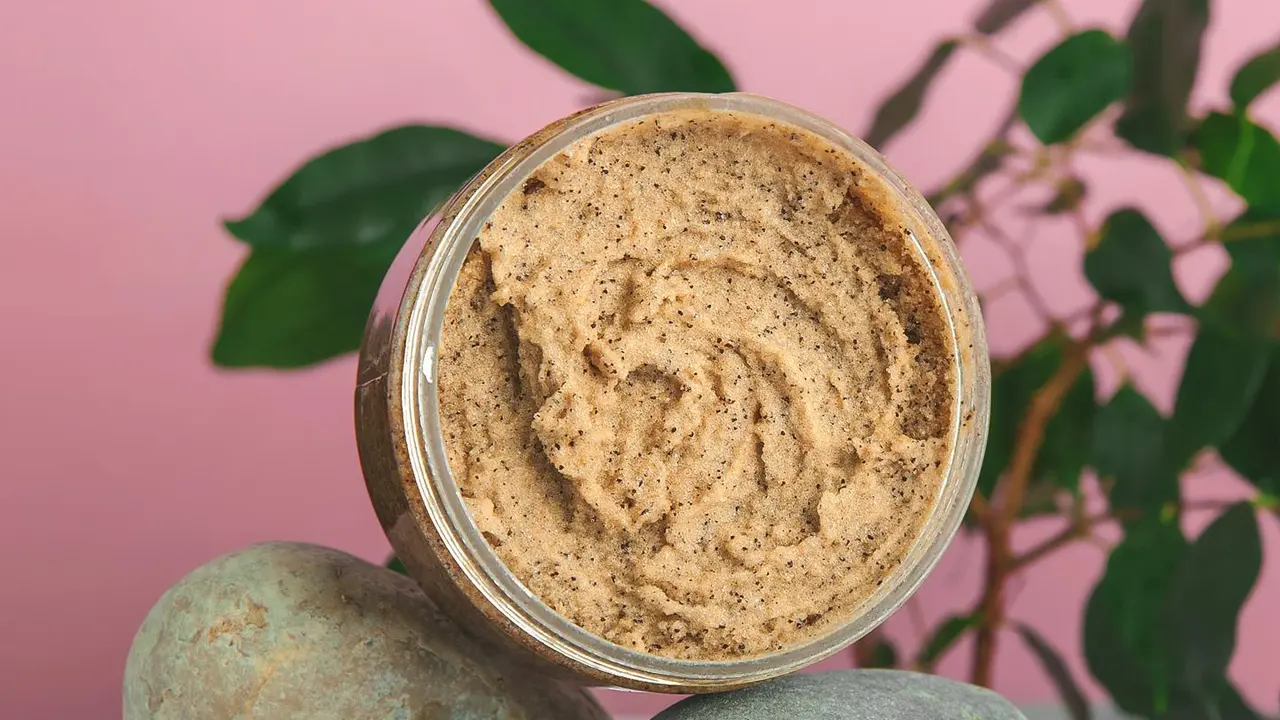
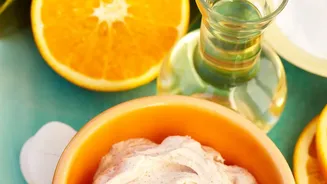
Orange peels are a powerhouse of Vitamin C and antioxidants, making them a go-to for brightening dull skin. The natural citric acid content helps to gently exfoliate, lighten dark spots, and reduce hyperpigmentation over time. It also has antimicrobial properties, which can be beneficial for managing oily and acne-prone skin. For a simple face pack, you can sun-dry the peels, grind them into a fine powder, and store it in an airtight container. Mix a tablespoon of this powder with honey or yoghurt to form a paste. Apply it to your face for 15-20 minutes before rinsing off to reveal a refreshed complexion.
Banana Peels for Deep Hydration
Often discarded without a second thought, the humble banana peel is celebrated for its moisturising properties. Rich in potassium, antioxidants, and vitamins A, B6, and B12, rubbing the inner side of a banana peel on your skin can help hydrate dry patches and soothe irritation. The natural enzymes offer a very mild exfoliation, helping to leave the skin feeling soft and supple. While some have dubbed it 'natural Botox', its effects are more about temporary smoothing and hydration rather than wrinkle reversal. For a quick hydrating treatment, simply rub the fresh inner peel on clean skin for a few minutes, let the residue sit, and then rinse.
Pomegranate Peels for an Antioxidant Boost
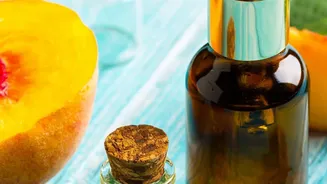
Don't underestimate the power of pomegranate peels. They are believed to contain even more antioxidants than the fruit's seeds, with compounds that are excellent for fighting the signs of aging. These antioxidants, including ellagic acid, help protect the skin from free radical damage and can support collagen production. To use them, you can dry the peels and grind them into a powder. This powder can be mixed with water or rosewater to create a paste for a spot treatment or a full face mask. For a different approach, you can gently heat dried peel pieces in a carrier oil like almond oil to create a nutrient-rich facial oil.
A Word of Caution Before You Begin
While DIY fruit peel treatments can be beneficial, they aren't without risks. Dermatologists caution that natural doesn't always mean better or safer. Fruit peels can harbour pesticides and bacteria, so washing them thoroughly is essential. Some ingredients, particularly acidic ones like lemon, can irritate the skin or cause photosensitivity, increasing the risk of sunburn. It is crucial to do a patch test on a small area of skin before applying any new mixture to your entire face to check for allergic reactions or irritation. Remember, these treatments are supplementary and should not replace advice from a dermatologist for persistent skin concerns.