

The Perfect Planet for Beginners
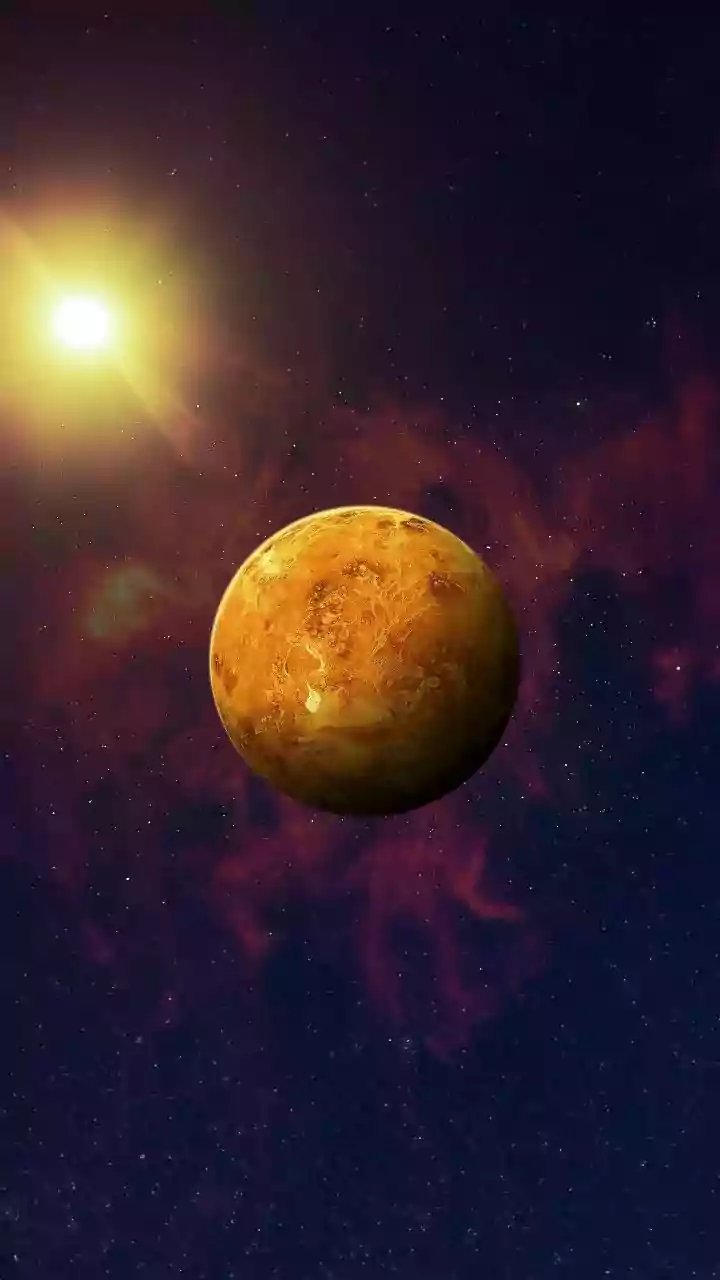
If you've ever tried to find a constellation and felt lost, you're not alone. The night sky can be intimidating, but Venus is different. For starters, it is the third-brightest object in the sky after the Sun and the Moon. You can’t miss its brilliant,
steady, white light. Unlike stars, which twinkle because of atmospheric turbulence, Venus shines with a serene and unwavering glow, making it easy to distinguish. This August, Venus is putting on a particularly spectacular show as the “Evening Star.” It’s visible every evening, dominating the western sky right after sunset. Its extreme brightness means it can cut through city light pollution, so you don't need to escape to the countryside to see it, although a darker sky always enhances the experience. This accessibility makes it a rewarding and confidence-boosting first step into the world of astronomy.
Your Viewing Guide for August 2026
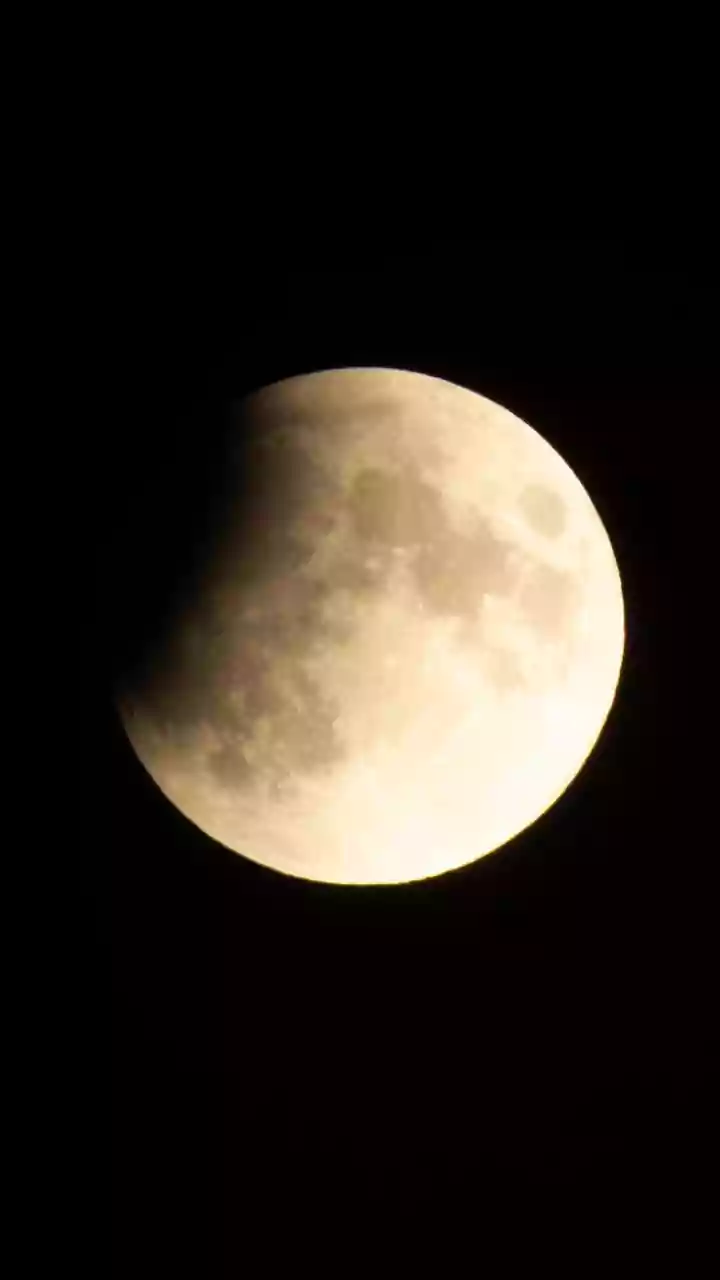
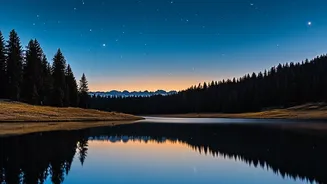
Timing is everything in stargazing, and this month is prime time for Venus. Look towards the western or west-southwest horizon about 45 to 90 minutes after sunset. As twilight fades, Venus will be the first “star” to pop into view. A key date to circle is August 15, when Venus reaches its greatest eastern elongation. This is a fancy term meaning it will be at its farthest apparent distance from the Sun in our sky. Practically, this places it higher above the horizon and keeps it visible for longer after sunset, out of the worst of the sun's glare. For an extra treat, look for Venus around August 15, when a lovely crescent Moon will appear nearby, creating a beautiful pairing in the twilight. As the month progresses, from August 21 onwards, you can watch Venus appear to draw closer each night to the bright star Spica, the brightest star in the constellation Virgo. This slow celestial dance is a wonderful phenomenon to follow over several evenings.
What You Need (and What You Don’t)
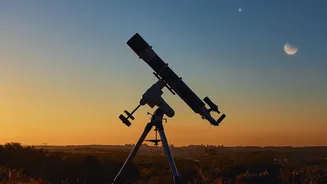
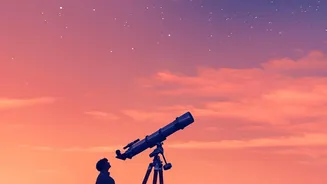
One of the biggest myths about astronomy is that you need an expensive telescope to get started. For Venus, that’s simply not true. Your own eyes are the only tool you need to spot it and appreciate its dazzling brightness. However, if you want to enhance the view, a simple pair of binoculars is the best next step. Binoculars will make the planet’s glow even more pronounced and can help you spot fainter nearby stars like Spica more easily. If you do have access to a small telescope, you're in for a treat. With a little magnification, you can observe something amazing: Venus has phases, just like our Moon. Throughout August 2026, Venus will appear as a tiny half-moon, as it is about 49% illuminated. Watching this phase evolve over weeks is a classic observing project that has fascinated astronomers for centuries and connects you directly to the clockwork of our solar system.
More Than Just a Bright Light
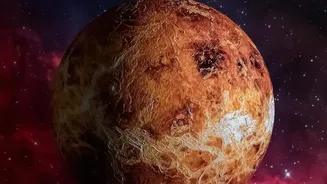
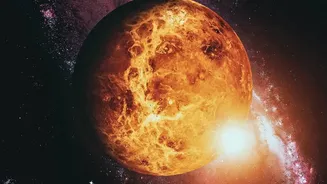
As you watch Venus, it’s thrilling to remember what you’re looking at. This brilliant point of light is a world shrouded in thick, highly reflective clouds of sulfuric acid. These clouds are what make Venus so bright, as they reflect an enormous amount of sunlight back into space. Beneath that veil lies a fascinating and hostile world with a crushing atmosphere and a runaway greenhouse effect that makes it the hottest planet in our solar system. Even from millions of kilometres away, observing its steady light gives you a tangible connection to our planetary neighbour. In truly dark skies, away from all artificial light, Venus can even become bright enough to cast faint shadows, a testament to its sheer brilliance. Knowing these facts transforms the act of looking up from simple observation into a moment of genuine cosmic wonder.