




First Steps: Immediate Damage Control
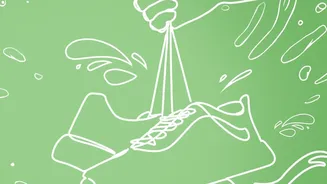
The moment you take off your rain-soaked shoes, the clock starts ticking. Don't just kick them into a corner to fester. First, knock off any clumps of mud and wipe the exterior with a cloth. Next, remove the insoles and laces. This is a crucial step that
many people miss. Insoles act like sponges, trapping a huge amount of moisture and becoming a breeding ground for odour-causing bacteria. Drying them separately allows air to circulate more freely inside the shoe and speeds up the entire process significantly. Opening up the shoe by loosening the tongue and laces also improves airflow, which is essential for effective drying.
The Classic Method: Harness the Power of Newspaper
It’s a trick our parents and grandparents swore by for a reason: it works. Old newspaper is highly absorbent and perfect for drawing moisture out from the inside of your shoes. Crumple up balls of newspaper and stuff them firmly into each shoe, making sure to reach all the way to the toe area. For extremely wet shoes, you may need to replace the damp newspaper with a fresh batch every couple of hours. This passive method is completely safe for all materials as it doesn't involve heat. Once stuffed, place the shoes in a dry, well-ventilated area away from direct sunlight. Pro-tip: avoid using newspaper pages with heavy, dark ink, as it can sometimes transfer onto lighter-coloured shoe interiors.
For a Faster Turnaround: Use a Fan
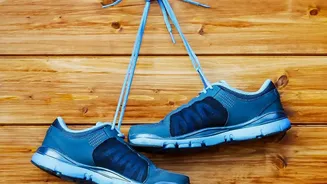
When you need your shoes dry by the next morning, a fan is your best friend. The constant movement of air is a powerful drying agent that evaporates moisture much faster than stagnant air. Don't point the fan directly into the shoe opening; instead, position it to blow across the shoes. You can place the shoes on a rack or even hang them from the fan's grill using wire hooks to ensure air circulates all around them. For maximum efficiency, combine this with the newspaper method. Stuff the shoes first, then place them in front of the fan. This combination of absorption and evaporation is one of the fastest and safest ways to dry any type of footwear overnight.
Material Matters: Leather vs. Canvas and Synthetics
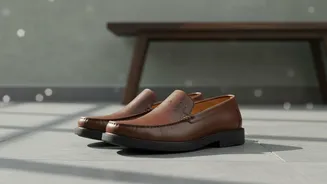
Not all shoes are created equal, and drying methods should be adjusted accordingly. Leather is particularly vulnerable to damage from improper drying. Direct heat can cause it to lose its natural oils, leading to cracking and brittleness. Always dry leather shoes slowly at room temperature, using newspaper or cedar shoe trees to help them retain their shape. Canvas and synthetic sneakers are more resilient but can still be damaged. They can be dried more quickly using a fan. Rubber flip-flops and PVC sandals, the heroes of the Indian monsoon, are the easiest to care for. Simply wash off any mud, wipe them with a dry cloth, and they'll be ready to wear in no time.
What to Absolutely Avoid When Drying Shoes
In a desperate attempt to dry shoes quickly, it's easy to make a fatal mistake. The single biggest rule is to avoid direct heat at all costs. Never place your shoes on a radiator, near a heater, or use a hairdryer on them. The intense heat can melt the adhesives that hold your shoes together, causing the soles to separate. It can also warp synthetic materials and make leather crack. Throwing shoes into a clothes dryer is also a bad idea, as the tumbling action can damage both the shoes and the machine. Finally, avoid leaving them in direct sunlight for long periods, as UV rays can cause colours to fade and materials to become brittle.
Banish the Odour: Keeping Shoes Fresh
Even after your shoes are dry, a lingering musty smell can remain. This is caused by bacteria that thrived in the damp conditions. Baking soda is an excellent natural deodoriser that absorbs both leftover moisture and bad smells. Once your shoes are completely dry, sprinkle a small amount inside and leave it overnight. Simply shake it out in the morning before wearing them. For a natural anti-fungal solution, a few drops of tea tree oil on a cotton ball placed inside the shoe can also work wonders. Rotating between at least two pairs of shoes is also a great habit, as it gives each pair a full 24 hours to air out and dry completely, preventing moisture buildup in the first place.