





1. A Gentle, Natural Fertiliser
Rice water contains small but useful amounts of essential plant nutrients, including nitrogen, phosphorus, and potassium (NPK), which are the building blocks for healthy growth. It also offers minerals like calcium, magnesium, and zinc. Unlike concentrated
chemical fertilisers that can cause 'fertiliser burn' if used incorrectly, rice water provides a mild, slow-release boost. This gentle nutrition supports stronger root systems, healthier leaf growth, and overall vitality, making it an excellent supplement to your regular feeding schedule, especially for leafy greens and vegetables like tomatoes and peppers.
2. Boosts Beneficial Soil Bacteria
One of the most significant benefits of rice water happens at the microbial level. The starch in the water serves as a food source for beneficial bacteria and fungi, like lactobacilli and mycorrhizae, that live in the soil. A thriving population of these microorganisms improves soil structure, making it looser and better at retaining water. These microbes also help break down organic matter into forms that plant roots can more easily absorb, essentially making the existing nutrients in your soil more available to the plant.
3. Promotes Stronger Root Development
Strong roots are the foundation of a healthy plant. The nutrients and B vitamins found in rice water, particularly thiamine (B1), are known to encourage robust root growth. Fermenting the rice water can amplify this effect. The fermentation process cultivates beneficial bacteria that can produce growth-promoting hormones like indole-acetic acid (IAA), which directly stimulates root development. Stronger, more extensive root systems enable plants to absorb water and nutrients more efficiently, making them more resilient, especially during stressful periods like transplanting.
4. An Eco-Friendly and Zero-Cost Solution
In a world increasingly focused on sustainability, using rice water is a perfect example of turning waste into a resource. Every time you cook rice, you have a fresh supply of this gentle plant food, which reduces household wastewater and saves a useful byproduct from being discarded. For Indian households where rice is a daily staple, this creates a consistent and completely free source of supplemental nutrients for houseplants, balcony gardens, and vegetable patches, reducing the need to purchase commercial fertilisers.
5. A Natural and Mild Pest Deterrent
While not a cure-all, rice water can play a role in managing pests. Some sources suggest it acts as a mild, natural pesticide against common nuisances like aphids and spider mites. The effect may be more indirect; fermented rice water encourages certain beneficial soil fungi that are known to act as biological control agents against insects. By fostering a healthier overall soil ecosystem, plants become stronger and less susceptible to pest attacks in the first place, all without harming beneficial insects.
How to Prepare and Use It Safely
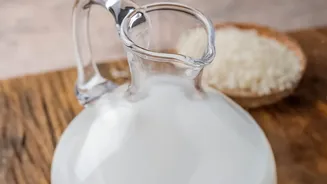
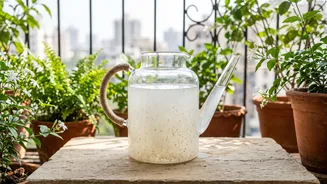
To make rice water, simply use the cloudy liquid from the first rinse of uncooked rice. Crucially, never use water from rice that has been salted. For a simple application, dilute one part rice water with one to five parts fresh water and use it to water your plants once a week or every two weeks. For a more potent version, you can ferment it by letting the rinse water sit loosely covered at room temperature for two to three days until it smells slightly sour. This fermented version is more acidic and nutrient-dense, so it should be diluted more, around one part to ten parts water, before use. Always use it in moderation, as overuse can lead to hardened soil, mold, or pests like fungus gnats.