


Diwali's glow comes from more than just lights; it emanates from the warmth of family and the joy of tradition. By choosing beautiful, eco-friendly decorations, you can deepen that connection and create sustainable rituals for generations to come.
A Greener Glow for the Festival of Lights
Diwali
celebrations, in their modern form, often come with an unintended environmental cost. Single-use plastics, synthetic decorations, and chemical-laden items contribute to pollution and waste that lingers long after the festivities end. Making a conscious shift to eco-friendly decor is not about diminishing the sparkle, but about aligning the celebration with its core message: the triumph of light over darkness and good over evil. Choosing sustainable options means celebrating in a way that honours both cultural heritage and the planet, creating a more meaningful and positive impact. This approach moves beyond a one-time celebration, turning festive preparations into a thoughtful practice.
The Timeless Allure of Natural Materials
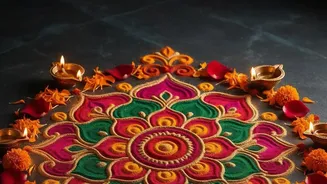
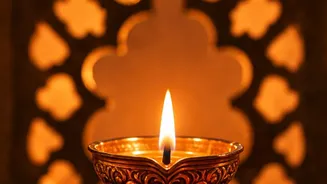
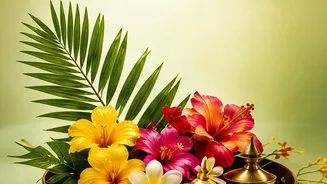
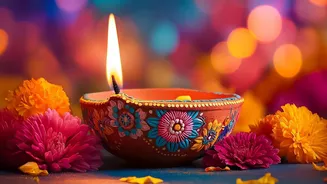
The most authentic and sustainable decorations are often the most traditional. Earthen diyas, or clay lamps, are central to Diwali and are completely biodegradable. Opting for these, especially from local potters, not only reduces waste but also supports community artisans. Flowers, another cornerstone of festive decor, offer vibrant, natural beauty. Creating rangolis from flower petals, rice flour, and natural powders like turmeric and kumkum is a classic practice that's gentle on the earth. These materials, unlike their chemical counterparts, can be easily composted. Similarly, crafting 'torans' (door hangings) from fresh mango leaves and marigolds connects the celebration directly to nature.
Crafting Memories with DIY Decorations
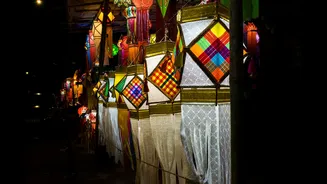
One of the most powerful ways to build a tradition is to create something together. Setting aside time for DIY decorations turns a simple task into a cherished family ritual. Repurpose old glass jars and bottles by painting them or placing string lights inside to create unique lanterns. Old sarees or colourful dupattas with brocade can be transformed into beautiful drapes or table runners. Even children can get involved by making paper lanterns or helping to separate flower petals for rangoli designs. The process of making these decorations together fosters creativity and collaboration, embedding the spirit of Diwali into the very fabric of your home's festive look.
Investing in Quality: The 'Buy Once, Use Forever' Mindset
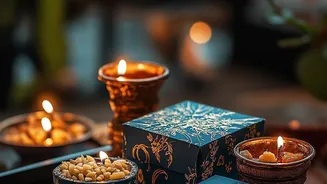
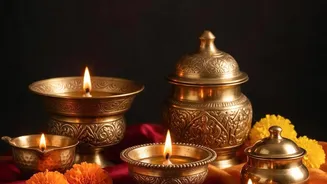
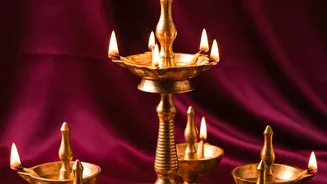
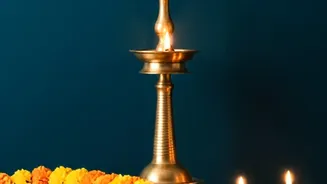
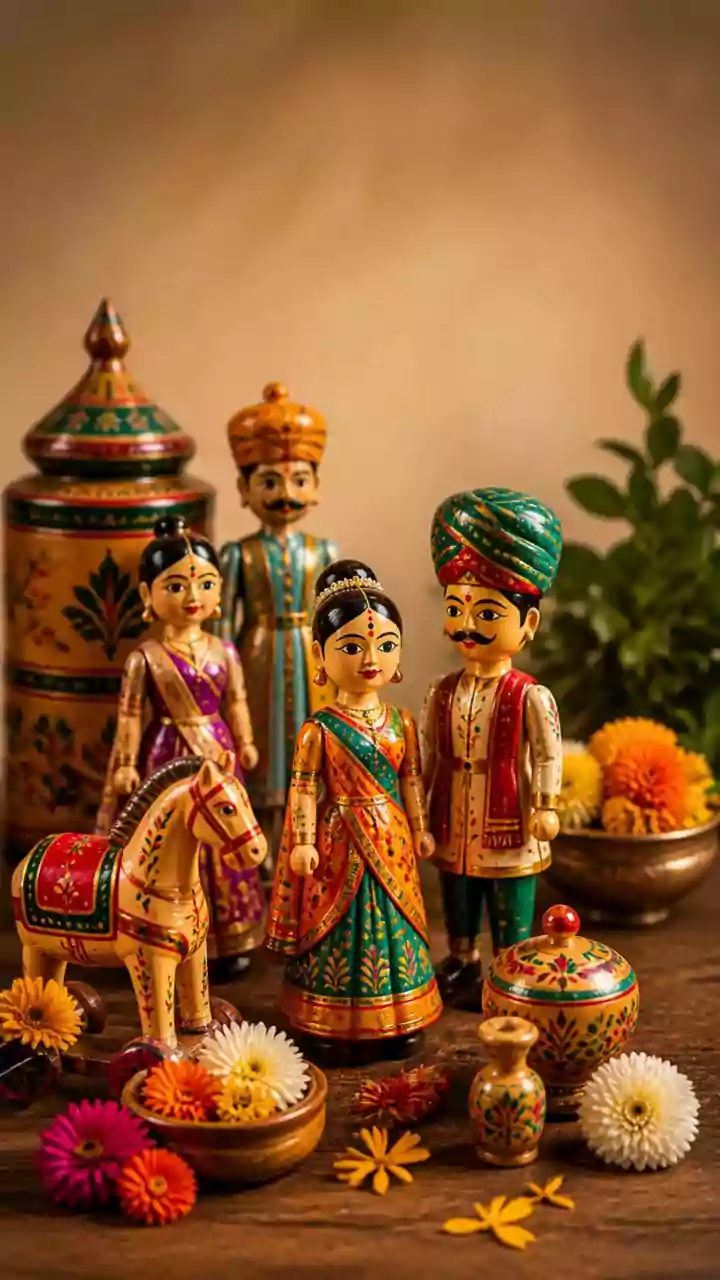
Sustainability isn't just about using biodegradable items; it's also about reducing consumption by investing in high_quality, reusable decor. Instead of flimsy plastic items that break after one season, consider pieces made from brass, wood, or durable fabrics. A set of handcrafted wooden tea_light holders, elegant brass urlis for floating flowers, or reusable rangoli stencils can become treasured family heirlooms. These items are brought out each year, gathering memories and stories with every use. This 'buy once, use well' philosophy not only minimises waste but also elevates your decor, adding a touch of timeless elegance that disposable items cannot match.
From Celebration to a Lasting Legacy
When a family chooses to paint diyas together, hang the same handcrafted toran each year, or arrange flowers in a special brass bowl, they are doing more than just decorating. They are building a narrative. These conscious choices become the framework for sustainable traditions that can be passed down through generations. Children who grow up making rangoli with natural powders or carefully storing reusable decorations learn the value of mindfulness and respect for their environment and heritage. This turns the annual act of preparing for Diwali into a lesson in sustainability, connection, and the creation of a family legacy rooted in thoughtful celebration.