



Decoding the 'Dark Store'
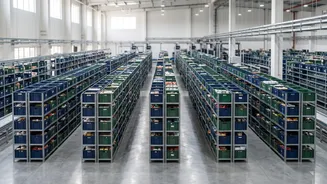
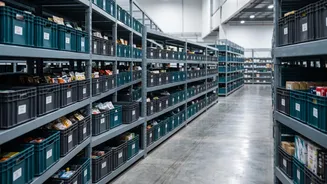
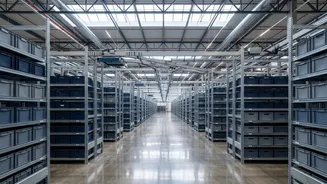
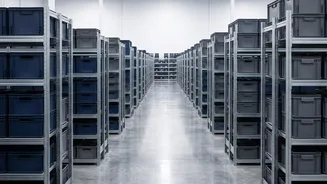
A 'dark store' is not a shop you can visit. It is a small, exclusive warehouse strategically placed within a dense residential area. These facilities, often resembling shuttered storefronts or unassuming godowns, are packed with thousands of the most
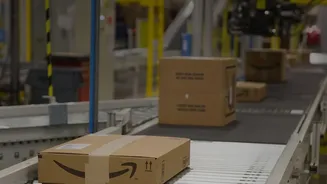
frequently ordered items in that specific neighbourhood—from milk and bread to snacks and chargers. Their sole purpose is to fulfil online orders at high speed. Inside, the layout is optimized for quick 'picking and packing', a process that can take as little as two minutes from the moment you tap 'pay' on your app. This model, used by major players like Zepto, Blinkit, and Swiggy Instamart, trades vast selection for extreme speed, serving a radius of just two to three kilometres.
Why Bengaluru is the Epicentre
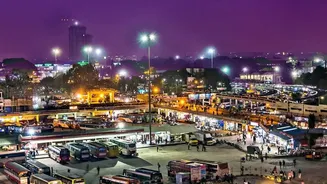
Bengaluru has become the capital of quick commerce in India, boasting more dark stores than any other city. As of July 2026, the city had 629 mapped dark stores, with Blinkit and Zepto leading a fiercely competitive market. Several factors make Bengaluru the perfect ecosystem for this model. The city has a large, tech-savvy population of young professionals in dual-income households who value convenience and have high digital payment adoption. For these time-poor consumers, the alternative of navigating Bengaluru's infamous traffic for a supermarket run makes instant delivery an incredibly attractive proposition. Consequently, the city's quick commerce infrastructure is tightly clustered around its major IT campuses and residential hubs.
The Anatomy of a 10-Minute Delivery
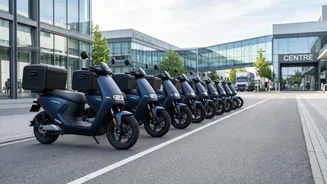
The journey from app to doorbell is a masterclass in hyperlocal logistics. When you place an order, it is instantly routed to the nearest dark store. Inside, a 'picker' receives the alert and, guided by an app that optimizes their path through the aisles, collects your items. The order is packed and ready for dispatch in minutes. A delivery partner, already waiting at or near the store, then takes over for the final-mile delivery. The entire model is built on the principle that short distances, not necessarily high speeds, are the key to quick delivery. This is all powered by sophisticated technology, including AI-driven demand forecasting to stock the right products and route optimization to ensure efficiency.
The Human Engine and Its Challenges
The quick commerce boom has become a massive source of employment, particularly for gig workers who handle the picking, packing, and last-mile delivery. However, the model is not without its controversies. Delivery partners often face immense pressure to meet tight deadlines, which can lead to unsafe driving in congested city traffic. Many work long hours for fluctuating incomes that are impacted by fuel costs, all while being managed by algorithms that can penalize them for delays. As gig workers, they are often classified as independent contractors, leaving them without access to crucial benefits like health insurance, paid leave, or social security protections enjoyed by full-time employees.
The High-Stakes Economics of Speed
While convenient for customers, the quick commerce model is incredibly expensive to operate. Companies face high fixed costs, including steep rental prices for prime urban real estate to house their dark store networks. Added to this are the costs of staffing, maintaining a vast delivery fleet, and inventory management. Profitability remains a major challenge, as the margins on low-value grocery orders are thin. The fierce competition between platforms often leads to deep discounts and promotional offers to attract and retain customers, further eroding profits. This intense rivalry has also impacted traditional kirana stores, many of which have seen declining footfall and sales as consumers shift to the convenience of on-demand apps.