







Sabudana Khichdi
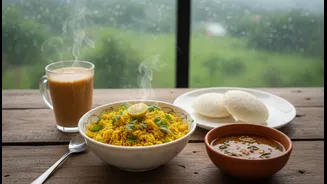
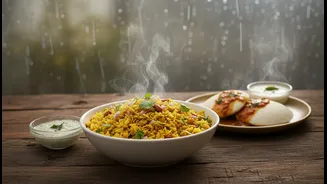
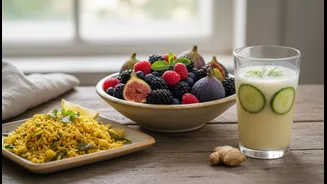
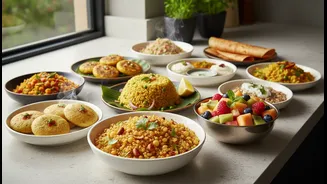
A timeless classic for any 'vrat' or fast, Sabudana Khichdi is both light and incredibly filling. Made from soaked tapioca pearls, this dish is typically prepared with boiled potatoes, roasted peanuts, and a simple tempering of cumin seeds and green chillies
in ghee. The peanuts provide a lovely crunch and a good dose of protein, balancing the carbohydrates from the sabudana to keep you energized. Seasoned with sendha namak (rock salt), it perfectly adheres to fasting rules while offering a delightful texture and taste.
Kuttu Ka Cheela
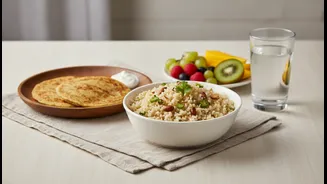
For those who prefer a savoury pancake, Kuttu Ka Cheela is an excellent choice. Made from buckwheat flour (kuttu ka atta), these cheelas are a lighter alternative to deep-fried puris. The batter can be made by simply mixing the flour with water, rock salt, and spices like cumin and black pepper. For added nutrition and softness, you can mix in grated bottle gourd (lauki) or mashed boiled potatoes. Cooked on a tawa with minimal ghee, they are crisp, wholesome, and a perfect start to your fasting day.
Makhana Kheer
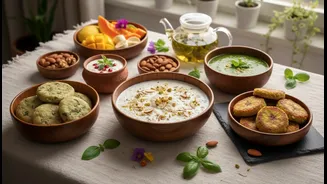
If you have a sweet tooth, a warm bowl of Makhana Kheer is the perfect sattvic indulgence. Phool Makhana, or fox nuts, are roasted in a little ghee until crisp, then simmered in milk until it thickens into a creamy porridge. Sweetened with jaggery or a little sugar and flavoured with cardamom, it's a comforting and nutritious breakfast. Garnished with chopped almonds and pistachios, this kheer provides sustained energy and is easy to digest, embodying the gentle nature of Shravan meals.
Fresh Fruit Chaat
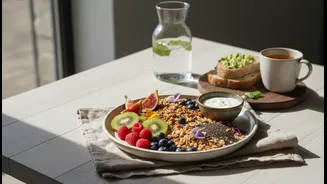
The simplest and purest breakfast is a bowl of fresh fruit chaat. During Shravan, consuming fresh, seasonal fruits is highly encouraged. A mix of bananas, apples, pomegranate seeds, and papaya provides a wealth of vitamins, fibre, and natural sugars for instant energy. To make it more interesting, toss the fruits with a sprinkle of sendha namak (rock salt) and a pinch of black pepper. You can also add a handful of soaked nuts for extra protein and healthy fats. It's a no-cook, refreshing, and deeply nourishing option.
Singhare Atte Ka Halwa
Singhare ka atta, or water chestnut flour, is another fasting staple that makes a delicious and dense halwa. The flour is roasted in ghee until it releases a nutty aroma, then cooked with water or milk and sweetened with sugar or jaggery. The resulting halwa is rich, flavourful, and incredibly satisfying. It's an energy-dense dish, perfect for days when you need a little extra fuel to get through your fast. Garnish with slivered almonds for a delightful crunch.
Vrat Wale Aloo with Curd
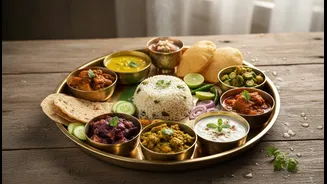
A simple yet satisfying dish, Vrat Wale Aloo is a quick and easy breakfast to prepare. Boiled potatoes are cubed and lightly sautéed in ghee with cumin seeds, green chillies, and a sprinkle of rock salt. This simple potato stir-fry pairs wonderfully with a bowl of fresh, creamy curd (yoghurt). The combination is not only delicious but also provides a good balance of carbohydrates and protein. The curd also has a cooling effect on the body, which is beneficial during the monsoon month of Shravan.
Rajgira Paratha
Rajgira, or amaranth flour, is a gluten-free pseudo-grain that is packed with nutrients. Parathas made from rajgira atta are a great way to have a filling and healthy breakfast. The dough is typically made by combining the flour with mashed boiled potatoes, which act as a binding agent, along with green chillies and coriander. These parathas are then rolled out and cooked on a hot tawa with a bit of ghee. They are soft, nutritious, and pair perfectly with plain yoghurt or a simple lauki sabzi.