




What is Hydroponics?
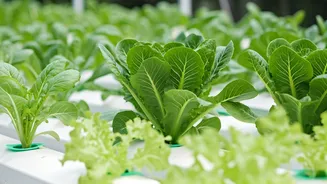
Hydroponics is a method of growing plants without soil. Instead of pulling nutrients from the earth, plants get their nourishment directly from a water-based mineral nutrient solution. Their roots can be suspended in the liquid or supported by an inert
medium like cocopeat, perlite, or clay pellets, which provide stability without interfering with nutrient absorption. This technique essentially delivers a perfectly balanced meal straight to the plant's roots, allowing for precise control over its growth environment. The basic principle is simple: give plants exactly what they need, when they need it, and they will thrive.
The Benefits of a Soil-Free Garden
The advantages of hydroponics make it a true 'modern reset' for home gardening. A primary benefit is its incredible space efficiency; vertical systems can grow an abundance of plants in just a few square feet, perfect for apartments and small balconies. These systems also use up to 90% less water than traditional soil gardening because the water is recirculated instead of lost to runoff or evaporation. With nutrients delivered directly to the roots, plants often grow faster and produce higher yields. Furthermore, by eliminating soil, you also eliminate soil-borne pests and diseases, resulting in cleaner produce with less need for pesticides.
Simple Systems for Indian Beginners
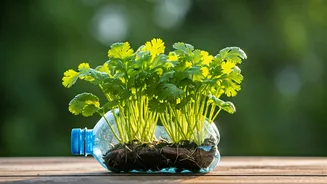
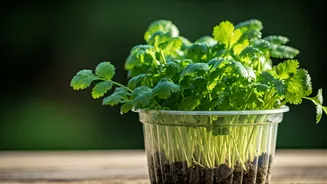
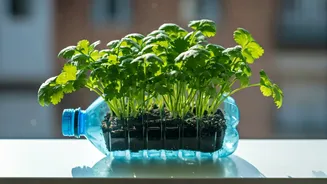
Getting started with hydroponics doesn't have to be complicated or expensive. For beginners in India, a few systems are particularly practical. The Kratky Method is a passive system that requires no pumps or electricity, making it incredibly low-cost to set up with just a container and nutrients. Another popular choice is the Deep Water Culture (DWC) system, where plant roots are submerged in an oxygenated nutrient solution. This requires a simple air pump but is still very easy to manage. For those with vertical space, a Nutrient Film Technique (NFT) system, which flows a thin stream of nutrients over the roots, is great for leafy greens. Many ready-made kits for these systems are available online, simplifying the process even further.
What to Grow in Your Home System
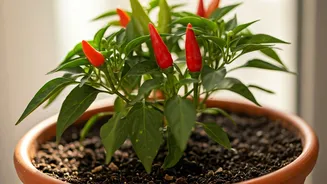
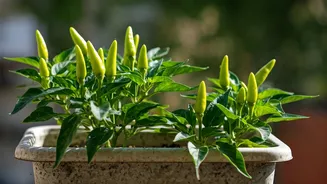
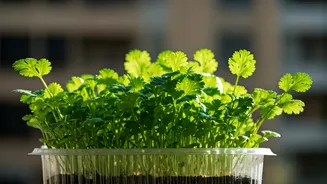
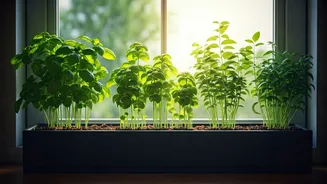
The best crops to start with are those that grow quickly and are used frequently in Indian kitchens. Leafy greens are the most popular choice for hydroponics because they have fast growth cycles and are relatively low-maintenance. Herbs like mint (pudina), basil (tulsi), and coriander (dhania) are excellent for beginners; they are forgiving and can be harvested within weeks. Spinach (palak) and various types of lettuce also thrive in hydroponic setups. Once you have a couple of successful cycles, you can move on to fruiting plants like tomatoes and chillies, which also grow very well in controlled hydroponic environments.
Getting Your First Setup Ready
To begin your hydroponic journey, you will need a few key items. You can either purchase an all-in-one starter kit or build a DIY system. The essential components are a container to hold the water, net pots to hold the plants, a growing medium like cocopeat or clay pellets, and a hydroponic nutrient solution. You will also need a pH testing kit or meter to ensure the water is at the optimal level (typically between 5.5 and 6.5) for nutrient absorption. While a sunny balcony might provide enough light, investing in an LED grow light can ensure your plants get the consistent light they need for year-round growth, regardless of the weather. A basic DIY setup can be created for a few thousand rupees, with kits also available online at various price points.