




Finding the Perfect Vessel
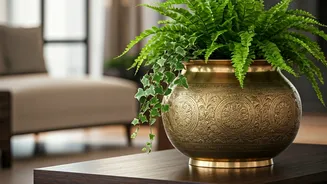
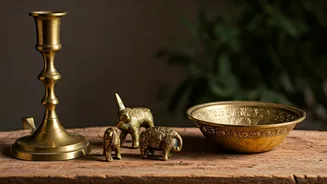
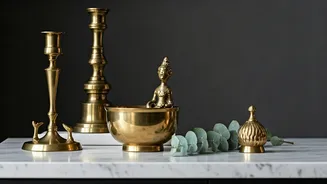
The first step is identifying the right piece. You might already have one tucked away—a traditional urli, a deep gangalam, a wide-mouthed para, or even an old charu. These heavy brass or bronze vessels, once used for cooking, rituals, or storing water,
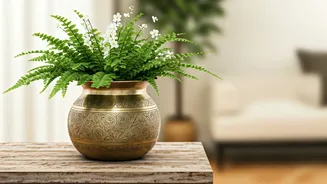
possess a unique character that new pots can’t replicate. Look for a piece with a generous size and a stable base. Minor dents or an uneven patina aren't flaws; they are marks of a long and storied life. If you don't have one, scour antique shops, flea markets, or even your ancestral village. When choosing, consider the scale of your living room. A larger urli can become a magnificent floor planter, while a smaller vessel might be perfect for a side table or console.
The Art of Cleaning and Polishing
Your approach to cleaning depends on the look you desire. If you love the bright, golden glow of polished brass, a traditional mixture of tamarind paste or lemon juice and salt works wonders. Apply the paste, let it sit for a few minutes, and then scrub gently with a soft cloth or coir before rinsing and drying thoroughly. For a more stubborn tarnish, commercial brass polishers are effective. However, many people prefer to preserve the deep, greenish-brown patina that develops over decades. This aged look tells a story. In that case, simply wash the vessel with mild soap and water to remove dirt and dust, and dry it completely. The goal is to clean it, not strip it of its history.
Solving the Critical Drainage Problem
This is the most important step for the health of your plant. Ancient brass vessels were not designed to be planters and therefore have no drainage holes. Planting directly into them is a recipe for root rot. You have three excellent options to overcome this: 1. **The Cachepot Method (Recommended):** This is the safest and easiest solution. Simply keep your plant in its original plastic nursery pot (or repot into a slightly larger one) and place it inside the brass vessel. The brass acts as a beautiful decorative cover, or ‘cachepot’. You can easily remove the inner pot for watering, allow it to drain completely, and then place it back. 2. **The False Drainage Layer:** If you want to plant directly for a more seamless look, you must create an internal drainage system. Fill the bottom 2-3 inches of the vessel with a layer of gravel, broken pottery shards, or LECA (lightweight expanded clay aggregate). This creates a reservoir where excess water can collect away from the plant's roots. Be extremely careful not to overwater, as the reservoir can still fill up. 3. **Drilling a Hole:** This is an option for the brave, but generally not recommended for genuine antique or heirloom pieces, as it permanently alters them and reduces their value.
Choosing Your Green Companion
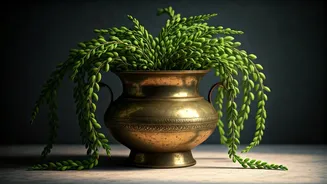
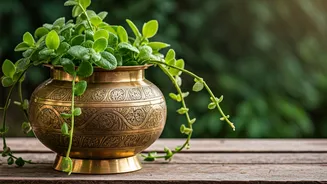
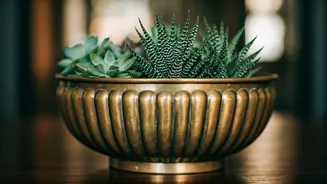
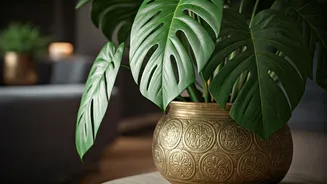
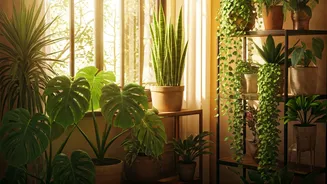
The plant you choose should complement the grandeur of the vessel. For large, floor-standing urlis, consider plants with dramatic foliage. A Fiddle Leaf Fig, a large Monstera Deliciosa, or a majestic Bird of Paradise can create a stunning visual. The contrast between the lush green leaves and the warm metallic tones of the brass is simply spectacular. For smaller vessels on tables, opt for plants with interesting textures or trailing habits. A string of pearls, a lush money plant (Pothos), or a hardy snake plant (Sansecoeria) all work beautifully. If you’ve opted for the false drainage layer instead of a cachepot, it’s wiser to choose plants that tolerate drier conditions, like ZZ plants or succulents, to minimise the risk of overwatering.
Styling Your Statement Piece
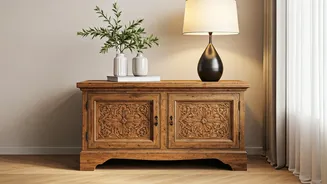
Once your planter is ready, placement is key. A large brass planter makes an undeniable focal point. Position it in a corner of your living room that gets adequate light, perhaps next to a comfortable armchair or beside the sofa. Placing it on a low, rustic wooden stool can give it a little extra height and presence. For smaller planters, use them to elevate a console table display, a bookshelf, or a coffee table arrangement. Group it with other decorative objects of varying heights and textures—a stack of books, a small sculpture, or a candle—to create a curated vignette that feels both personal and professionally styled.