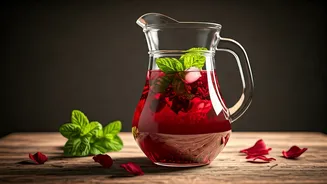





What is This Crimson Cooler?
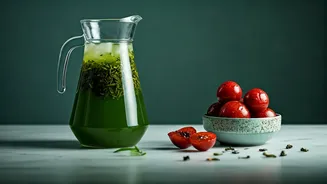
At its heart, this drink is an incredibly simple infusion. It’s made from the dried calyces of the hibiscus flower, known in India as 'gudhal' or 'jaswand'. While traditionally brewed hot, the cold-brew method involves steeping the flowers in cold water
for several hours. This slow, gentle process extracts the flower’s vibrant colour and tart, cranberry-like flavour without any of the bitterness that can come from hot brewing. Paired with the cool, fresh kick of mint leaves (pudina), it transforms from a simple tea into a sophisticated, thirst-quenching beverage that looks as good as it tastes.
An Ally in Hydration
While water is, of course, the true king of hydration, this tea is a powerful ally. Its delicious, tangy flavour makes drinking your daily fluids less of a task and more of a treat, encouraging you to hydrate more effectively. But its benefits go beyond just being tasty. Hibiscus is a powerhouse of antioxidants, particularly anthocyanins, which give the tea its brilliant red hue and help fight free radicals in the body. It’s also naturally rich in Vitamin C, which is great for your immune system and skin. Some studies suggest it may help support healthy blood pressure levels. It's a naturally caffeine-free drink, so you can enjoy it any time of day or night without worrying about it disrupting your sleep.
The Cooling Touch of Mint
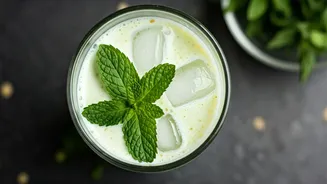
The addition of mint isn’t just for garnish; it’s a crucial component that elevates this drink to another level, especially for surviving Indian summers. Pudina is legendary for its cooling properties. The menthol in mint activates the same receptors in our skin that sense cold, creating a physiological sensation of coolness that is deeply refreshing on a sweltering day. Beyond its cooling effect, mint is also a well-known digestive aid. It can help soothe an upset stomach and reduce bloating, making this tea a perfect after-meal drink or a gentle way to start your day.
Why The Cold Brew Method Wins
You could make hibiscus tea with hot water and then cool it down, but you’d be missing out. The cold brew technique is superior for a few key reasons. Firstly, it results in a much smoother, less acidic taste. Hot water can extract tannins from the hibiscus flowers, which can create a slightly bitter or astringent finish. The gentle, slow infusion of cold brewing sidesteps this entirely, yielding a rounder, more naturally sweet flavour profile. This means you’re less likely to need to add sugar or other sweeteners, making it a healthier option overall. It’s also incredibly low-effort—you simply combine the ingredients and let time do the work.
Your Simple How-To Guide
Ready to make your own? It couldn't be easier. You don’t need any fancy equipment, just a large jar or pitcher. **Ingredients:** - 1 litre of filtered cold water - ¼ cup of dried hibiscus flowers (look for good quality, organic if possible) - A large handful of fresh mint leaves (about 15-20 leaves), gently bruised - Optional: a few slices of lime or orange for extra zest, or a teaspoon of honey or jaggery if you prefer it sweet. **Instructions:** 1. Place the dried hibiscus flowers and bruised mint leaves in your large jar or pitcher. 2. Pour the cold, filtered water over them. 3. Give it a good stir to ensure everything is submerged. 4. Cover the jar and place it in the refrigerator to steep for at least 4 hours, or overnight for a stronger flavour. 5. Once steeped to your liking, strain the tea through a fine-mesh sieve to remove the flowers and mint leaves. 6. Serve chilled over ice, with a fresh mint sprig and a slice of lime for garnish.