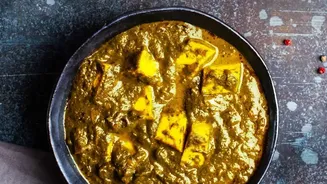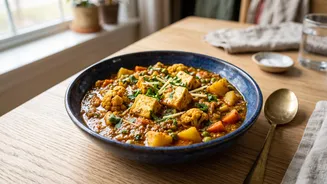

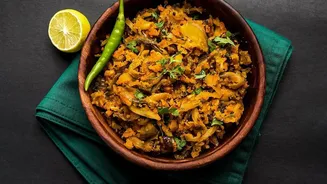
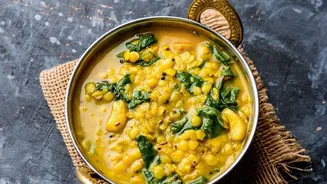
It’s a universally acknowledged truth in many Indian households: last night’s dal or curry often tastes better the next day. This isn’t just your imagination. There is real science at play, involving fascinating chemical and physical changes.
The Overnight Transformation
You’ve probably
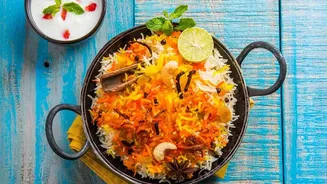
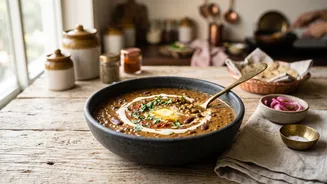
noticed it with a rich rajma, a hearty dal makhani, or a complex biryani. When you first cook them, the flavours are vibrant and distinct. But after a night in the refrigerator, something magical happens. The dish becomes more cohesive, the gravy thickens, and the overall taste feels deeper and more rounded. This delicious transformation is driven by several processes, including the way starches and fats behave long after the stove has been turned off. While the dish cools and rests, its components are anything but dormant; they are busy mingling, maturing, and creating a more harmonious flavour profile.
The Science of Starch Retrogradation
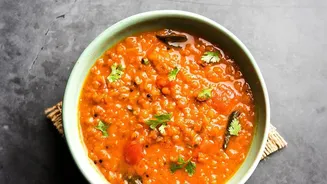
One of the key players in this flavour evolution is starch retrogradation. When you cook starchy ingredients like potatoes, rice, or lentils, the starch granules absorb water and swell up, a process called gelatinization. This is what thickens your gravies and softens your rice and potatoes. As the dish cools, these gelatinized starch molecules begin to reorganise themselves, realigning into a more ordered, crystalline structure. This reorganisation, or retrogradation, does two important things. Firstly, it often results in a thicker, more luscious texture, as the starches and proteins set slightly. Secondly, this process can subtly alter flavour perception. The structural change can trap and then slowly release flavour compounds, while some starches may even break down into simple sugars, adding a faint, underlying sweetness that balances the spices.
Fat: The Ultimate Flavour Carrier
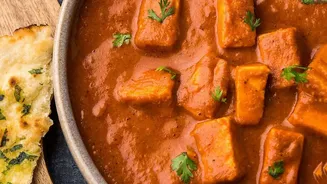
Fat is essential in Indian cooking, not just for texture but as a vehicle for flavour. Whether it’s ghee, mustard oil, or the natural fats in coconut milk, these lipids are brilliant at dissolving and holding onto the aromatic compounds found in spices. Many of the signature flavours in spices like turmeric, cumin, and cloves are fat-soluble. During cooking, these compounds are released into the hot oil. But the process doesn’t stop there. As the dish cools and rests overnight, these flavour-packed fat molecules continue to disperse evenly throughout the sauce, migrating into the vegetables, paneer, or meat. This ensures that the flavour isn’t just on the surface but has penetrated deep into every component, making each bite more consistently delicious.
When Spices and Aromatics Marry
Indian cooking is famous for its complex layering of spices and aromatics. Ingredients like garlic, ginger, and onions contain pungent sulfur compounds that can taste sharp when a dish is freshly made. Given time, these harsh notes mellow and integrate into the background. Chemical reactions continue to occur, causing different flavour molecules to mingle and create entirely new, more complex notes. The initial 'raw' heat from chillies blends in, the acidity from tomatoes softens, and the foundational sweetness of cooked-down onions comes forward. Food scientists call this 'flavour equilibration', where distinct tastes stop competing and instead merge into a single, unified, and more sophisticated whole.