






The Official Announcement
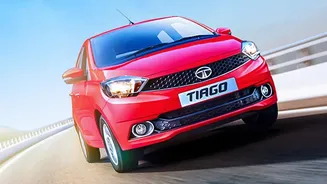
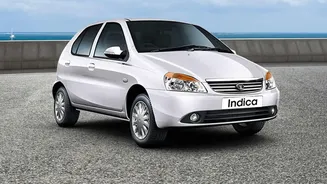
On August 21, Tata Motors confirmed that it will increase prices for its cars and SUVs starting September 1, 2026. The hike will be up to ₹25,000, though the exact amount will vary depending on the specific model and variant. This price revision will apply
to the company's complete passenger vehicle portfolio, which includes all internal combustion engine (ICE) models—petrol, diesel, and CNG—as well as the entire electric vehicle (EV) lineup. So, whether you are eyeing a Tiago EV or a diesel Safari, the ex-showroom price is set to rise.
Why Are Prices Increasing?
Tata Motors has cited the persistent rise in input costs and sustained inflationary pressures as the primary reasons for this price adjustment. This is a trend seen across the Indian auto industry, with other major players like Maruti Suzuki and Hyundai also announcing similar price increases recently. Automakers are facing higher costs for raw materials and other operational expenses. According to the company, this hike is a measure to partially offset these increased costs, while still absorbing a significant portion to avoid passing the full burden onto customers. This is Tata's third price revision in 2026, following smaller increases in April and July.
The Core Dilemma: Buy Now or Wait?
With the price hike just days away, prospective buyers face a classic dilemma: rush to a dealership to lock in the current price, or wait and see what the future holds? The decision isn't as straightforward as it seems. Acting now could save you a noticeable amount of money, but it also comes with its own set of pressures and potential compromises. Waiting, on the other hand, might mean paying more for the same car, but could offer other advantages. Let's break down the arguments for each approach to help you make an informed choice.
The Case for Buying Before September 1
The most compelling reason to buy now is to avoid the price increase. A saving of up to ₹25,000 is significant. Furthermore, dealers are currently offering various benefits for August 2026 to clear existing stock before the festive season rush. Depending on the model, these could include cash discounts, exchange bonuses, and loyalty benefits that might not be available next month. For example, reports from early August showed substantial benefits on models like the Curvv and Sierra Diesel. If you have already decided on a specific model and variant, and it's available in dealer stock, finalizing your purchase before the end of August is the most financially prudent move. This guarantees you the lower price point.
The Argument for Waiting Patiently
Rushing a major purchase is never ideal. If you are still undecided about the model, variant, or colour, waiting might be wiser. A hurried decision could lead to buyer's remorse. Secondly, the upcoming festive season, starting with Onam and running through Diwali, is traditionally a period when car manufacturers roll out attractive new offers to boost sales. While the base price of the car will be higher, new schemes, special editions, or better finance deals could potentially offset some of the hike. Waiting also ensures you get a vehicle from a fresh lot, manufactured closer to the purchase date. If your preferred car has a long waiting period, you might be billed at the new price anyway, so there is little advantage in rushing to book now.
A Practical Checklist for Buyers
If you're leaning towards buying this month, here are some practical steps to take: 1. Contact Multiple Dealers: Check for vehicle availability across different showrooms. Stock for popular models might be limited as others rush to beat the price hike. 2. Confirm Final On-Road Price: Ask for a detailed price breakdown, including any August discounts and offers. Ensure your vehicle can be invoiced before August 31 to secure the current price. 3. Evaluate Waiting Periods: For models not in stock, ask for a realistic delivery timeline. If it extends beyond September, you will likely be charged the revised price. 4. Don't Forget August Offers: Inquire specifically about ongoing cash discounts, exchange bonuses, and corporate offers. These are valid only until August 31 and could add to your savings.