




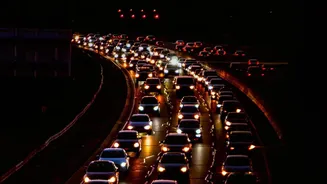


More Than Just Lost Time
The exhaustion that follows a lengthy commute isn't simply a matter of the hours spent travelling. It’s a complex mix of physical and psychological pressures that tax your system long before you even reach your workplace. Researchers refer to this as
'commuter stress'. Studies have consistently shown that longer commute times are directly linked to higher stress levels, a more negative mood, and lower life satisfaction. This stress isn't just about feeling annoyed in traffic; it's a physiological response. Your body’s fight-or-flight system gets activated, leading to a state of chronic, low-grade stress that chips away at your energy reserves. This phenomenon, sometimes called 'commuting impedance,' acts as a psychological hurdle that can leave you feeling drained before your workday has even properly started.
The Physical Toll of the Journey
Sitting for prolonged periods, whether in a car, bus, or train, is a major contributor to physical fatigue. It can lead to musculoskeletal problems, backaches, and headaches. But the impact goes deeper. The stress of navigating traffic or crowded public transport triggers the release of hormones like cortisol and adrenaline. Chronically elevated cortisol levels can disrupt sleep, impair immune function, and contribute to feelings of deep-seated tiredness. Studies have linked commutes over 30 minutes to a higher risk of an inactive lifestyle and poor sleep patterns. This creates a vicious cycle: the commute makes you too tired to exercise or prepare healthy meals, and poor sleep leaves you with less resilience to handle the stress of the next day's journey.
Your Brain on Overload
Your commute doesn't just tire out your body; it exhausts your brain. Driving in heavy traffic or navigating a packed train requires constant vigilance and a stream of micro-decisions—when to switch lanes, how to avoid obstacles, where to stand. This is known as cognitive load. When your brain is forced to process this much information under stressful conditions, it leads to decision fatigue, draining your mental resources for the rest of the day. This mental depletion makes it harder to concentrate at work and leaves you with little cognitive energy for engaging with family, hobbies, or even simple chores in the evening. You arrive home not just physically tired, but mentally spent.
How to Reclaim Your Evenings
While you may not be able to change the distance of your commute, you can change your relationship with it. The key is to find ways to reduce the cognitive and emotional load. Instead of passively enduring the journey, try to make the time work for you. Listen to engaging podcasts or audiobooks that capture your attention in a positive way. Practice mindfulness techniques, such as deep breathing exercises, to keep your stress response in check—you can't control the traffic, but you can control your reaction to it. If possible, use the time to catch up with friends or family on the phone, turning a period of isolation into one of connection. Even small changes, like ensuring you are physically comfortable with proper back support or wearing sunglasses to reduce glare, can lessen the physical strain.
Create a Post-Commute Buffer
One of the most effective ways to shed the stress of the journey is to create a clear transition between your commute and your evening. Instead of slumping directly onto the sofa, build a small ritual to signal to your brain that the 'travel' part of the day is over. This could be as simple as changing out of your work clothes immediately, doing a few minutes of stretching, or taking a five-minute walk around your block. Some experts suggest automating evening chores where possible—like using a slow cooker for dinner or setting a robot vacuum on a timer—to reduce the number of demands on your depleted energy reserves when you get home. The goal is to create a mental and physical buffer zone that allows you to consciously leave the day's travel stress at the door and transition into a more relaxed state for the evening.