

The Science of Light and Thirst
The core of plant care, whether you are home or away, is the relationship between light and water. Photosynthesis, the process where plants use sunlight to create food, is what drives their thirst. The more light a plant receives, the more active its
photosynthesis, and the more water it pulls from the soil to fuel this process. When you leave for vacation, your goal is to slow everything down. By reducing a plant's light exposure, you slow its metabolism. It will photosynthesize less, and therefore, use significantly less water. This strategic adjustment is the key to preventing the dual risks of a plant drying out or, conversely, sitting in stagnant, wet soil which can lead to root rot.
Perform a Pre-Travel Light Audit
Before you even think about watering, take a tour of your home. Assess the light conditions your plants currently enjoy. Which ones are sitting in direct sun on a south-facing windowsill? Which are in a shadier, north-facing room? For trips longer than a week, most plants can tolerate lower light levels temporarily. The goal is to move plants out of intense, direct sun. Pulling them back a few feet from the window or moving them to a room with less direct light is often all it takes. This simple act of relocation drastically reduces how quickly the soil will dry out. For very short trips, a thorough watering might be enough, but combining it with a move to a cooler spot is even better.
Water According to the New Location
A day or two before you leave, after you've moved your plants to their temporary, shadier vacation spots, it’s time to water. Give them a thorough soak, allowing water to run through the drainage holes. This ensures the entire root ball is saturated. Because you've reduced their light, they won't be as thirsty, so this deep watering will last much longer than it would in their usual sunny location. For most common houseplants, this combination of reduced light and one deep watering can easily sustain them for a week or two. Cacti and succulents, which are adapted to dry conditions, may not need to be watered at all.
Grouping Plants and Boosting Humidity
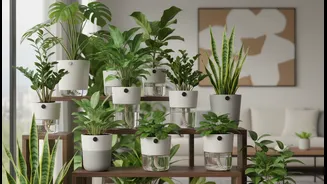
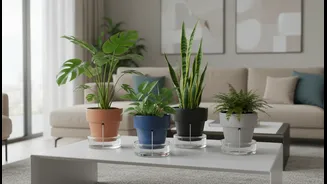
Once your plants are moved and watered, consider grouping them together. Plants release moisture through their leaves in a process called transpiration. By huddling them in one area, you create a more humid microclimate around them, which slows down moisture loss for the whole group. This is especially beneficial for tropical plants that love humidity, like ferns and calatheas. You can place them in a bathroom if it receives some natural light, as the residual humidity in the room can be beneficial. Some guides even suggest placing them in a bathtub on top of towels with a few inches of water, creating a humid reservoir, though this is only effective in a bathroom with a window.
Solutions for Longer Trips
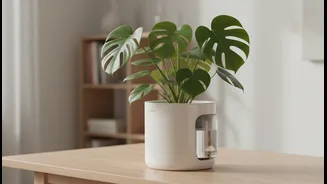
If you’ll be gone for more than two weeks, you may need to implement more robust solutions. Self-watering pots or watering globes can provide a steady, slow supply of moisture. Another popular DIY method is the wicking system: place a large container of water next to your plant and run a piece of cotton rope or capillary matting from the water reservoir into the plant’s soil. The soil will draw water up the wick as it dries. For sun-loving plants that can't be moved, you might consider a grow light on a timer set for fewer hours than normal to control its water intake. However, for most common indoor plants, a simple relocation and proper watering are sufficient.