

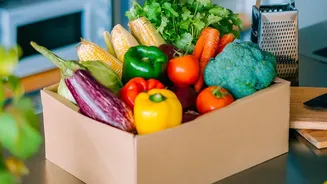

Wash Produce with Extra Care
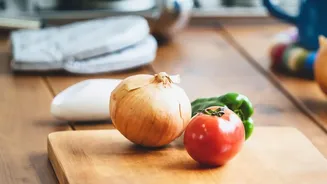
Rainwater can splash contaminated soil onto fresh produce, and the damp conditions are ideal for microbial growth. Therefore, a simple rinse under the tap isn't enough. For all vegetables and fruits, start with a thorough wash under clean, running water.
For leafy greens like spinach and coriander, separate the leaves and wash them individually. Soaking vegetables for 10-15 minutes in a solution of salt water (one tablespoon of salt per litre of water) can help draw out hidden insects and reduce bacteria. A vinegar solution works well too. After soaking, rinse them again with clean water and pat dry before storing or cooking.
Mastering Monsoon Food Storage
Humidity is the enemy of stored food during the monsoon. It can make biscuits soggy, spices clumpy, and encourages mould growth. The most important rule is to use clean, completely dry, airtight containers for everything from lentils to snacks. Glass jars with good seals are ideal. Before storing dry goods like rice or dals, consider sun-drying them for a few hours to remove any existing moisture. When it comes to perishables like dairy, meat, and cooked leftovers, refrigerate them promptly. Do not leave them at room temperature for extended periods, as bacteria can multiply rapidly. Keeping your refrigerator clean and ensuring it's at the right temperature is also key.
Cook Thoroughly, Avoid Cross-Contamination
Heat is one of your best defences against germs. Ensure all food, especially meat, poultry, and eggs, is cooked thoroughly to safe internal temperatures. Avoid undercooked or raw foods, which carry a higher risk. Cross-contamination is another major concern. Always use separate cutting boards, knives, and utensils for raw and cooked foods. For instance, the board you use for raw chicken should never be used for chopping salad vegetables without being washed and sanitized in hot, soapy water first. Wash your hands with soap for at least 20 seconds before handling food, after touching raw meat, and before eating.
Drink Safe Water Only
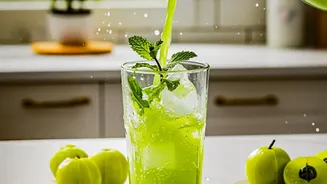
Waterborne diseases are extremely common during the monsoon as tap water sources can become contaminated. To stay safe, drink only boiled, filtered, or purified water. Boiling water for at least one minute is an effective way to kill most pathogens. Be cautious about ice from unknown sources, as it can also be made from contaminated water. When outside, it is safest to carry your own water or purchase sealed, packaged water. Avoid street-side juices, lemonades, or any drink where the water source is questionable.
Be Smart About Street Food
The craving for hot pakoras on a rainy day is undeniable, but street food is a significant source of monsoon illnesses. The main risks come from contaminated water used in chutneys or for washing, and food that has been sitting out. If you do indulge, choose vendors who maintain high standards of hygiene. Opt for food that is cooked at a high temperature right in front of you and served piping hot, like freshly fried samosas, bhajiyas, or roasted corn on the cob (bhutta). It's best to avoid items like pani puri, raw salads, and pre-cut fruits. Steamed items like idlis or momos are generally a safer bet than those with raw ingredients.