

The End of the Waiting Game
Traditionally, festival food has been a cornerstone of limited-time offers (LTOs) in Indian restaurants. Chefs would roll out special menus for Diwali, Eid, Onam, or Holi, creating a sense of occasion and urgency. These menus were celebratory, drawing
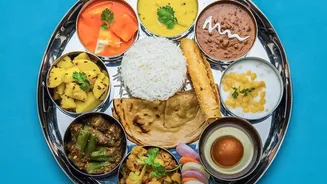
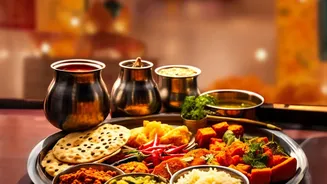
in families and communities to share dishes deeply connected to ritual and season. You would find elaborate platters during Diwali, rich, meaty stews for Eid, and the complex, multi-dish vegetarian sadhya during Onam. For diners, it was a chance to taste authentic, often labour-intensive dishes they might not cook at home. For restaurants, it was a reliable way to boost traffic and create excitement. This model has been successful for years, reinforcing the idea that some foods are reserved for specific moments of celebration.
A Shift in Diner Cravings
So, what changed? The modern Indian diner has evolved. There's a growing demand for authenticity and comfort, with consumers looking beyond standard North Indian restaurant fare. People are increasingly seeking regional depth and the kind of food that feels both special and nostalgic, reminiscent of home cooking. This craving for authenticity means diners are no longer content to wait for a festival to enjoy specific dishes. The rise of food-centric social media and a growing diaspora connecting with its roots have also played a significant role. When a beautifully plated Onam sadhya goes viral in August, the craving for it doesn't necessarily disappear by September. Restaurants are recognising that the emotional connection to these foods—a feeling of comfort, heritage, and abundance—is something people want to access year-round.
More Than a Trend, It's Smart Business
While LTOs are effective for creating buzz, integrating festival dishes into the permanent menu can be a savvier long-term strategy. For one, it helps a restaurant build a unique identity. An eatery that becomes known for serving an excellent, year-round sadhya or authentic puran poli carves out a niche that standard menus can't compete with. Some chefs are strategically using special menus as a testing ground; successful dishes that prove popular over a trial period are then added to the permanent offerings. This approach minimizes risk while allowing the menu to evolve based on genuine customer demand. It also reflects a newfound confidence in the cuisine itself—a move away from needing to 'translate' Indian food for a general audience and towards celebrating its specificity and depth.
Chefs as Custodians of Culture
This trend is also about cultural preservation. Many festival recipes are complex and time-consuming, passed down through generations. In today's fast-paced world, fewer people have the time or knowledge to prepare these elaborate meals from scratch. By placing these dishes on their everyday menus, chefs are acting as more than just cooks; they are becoming custodians of culinary heritage. They are ensuring that forgotten or regional-specific recipes are not only saved but also made accessible to a new generation of diners. This shift allows restaurants to tell a deeper story about India's diverse culinary landscape, moving beyond the well-worn path of butter chicken and naan. It’s a way of celebrating the rich tapestry of Indian food, one plate at a time, every single day.