






What Exactly is Astrotourism?
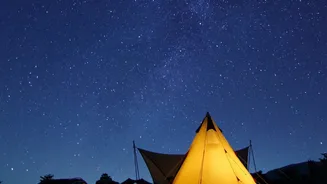
Astrotourism, or 'dark sky tourism', is travel focused on experiencing the night sky in its purest form, far from the light pollution of urban centres. It involves visiting locations with pristine, dark skies to engage in activities like stargazing, watching
meteor showers, and astrophotography. Unlike a conventional holiday, it's an immersive experience that encourages travellers to slow down, observe, and connect with the universe. In India, with its vast and varied geography, this trend is finding fertile ground, offering a unique blend of science, nature, and introspection that appeals deeply to a new generation of explorers.
The Call of the Wild
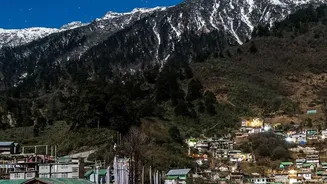
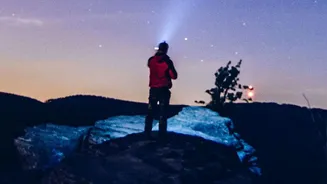
A key part of astrotourism's appeal is the adventure that comes with it. Reaching prime stargazing locations often means journeying to remote, high-altitude regions. This naturally pairs night sky viewing with outdoor activities like trekking, camping, and daytime exploration. Destinations such as Ladakh's Hanle Valley, India's first Dark Sky Reserve, or the starkly beautiful Spiti Valley, require a spirit of adventure. Travellers might find themselves on a camel safari in the Thar Desert before settling in for a night of cosmic observation or trekking through coffee plantations in Coorg by day and gazing at constellations by night. This blend of physical activity and celestial wonder provides a holistic experience that satisfies the craving for both action and awe.
A Journey with a Conscience
For today's young, eco-aware traveller, the 'how' and 'where' of travel matters. Sustainability is no longer a niche preference but a core value. Astrotourism aligns perfectly with this mindset. By its very nature, it thrives in places with minimal human impact and low light pollution, which promotes the conservation of natural environments. Choosing astrotourism is an inherently eco-conscious decision, supporting the preservation of dark skies as a natural resource. This movement is part of a larger shift towards sustainable tourism in India, a sector expected to grow significantly as travellers prioritise experiences that support local economies and minimise their environmental footprint. Reports show a huge majority of young Indian travellers prefer sustainable travel options, making choices that reflect their values.
Why It Resonates with Young Indians
The pull of astrotourism for millennials and Gen Z in India is multifaceted. After years of fast-paced, social-media-driven travel, there is a growing desire for slower, more meaningful experiences that offer emotional restoration. Stargazing provides a powerful digital detox, an escape from constant connectivity into a state of quiet contemplation. Furthermore, India's recent successes in space missions have sparked a national curiosity in astronomy, making the cosmos 'cool again'. This, combined with the accessibility of astrophotography even on smartphones, allows travellers to capture and share unique, awe-inspiring content that stands out. It's a move away from crowded checklists towards authentic, experience-driven journeys.
India's Premier Dark Sky Destinations
India's diverse geography makes it a world-class destination for stargazers. The Himalayan and trans-Himalayan regions of Ladakh and Spiti Valley offer some of the clearest, highest-altitude skies in the world. Hanle, in particular, is celebrated as a premier global site, home to the Indian Astronomical Observatory. But the options don't end there. The vast salt desert of the Rann of Kutch in Gujarat provides an unobstructed canvas for the winter sky. The hill stations of Coorg in Karnataka and resorts in Uttarakhand offer more accessible getaways without venturing to extreme altitudes. Even the remote beaches of the Andaman and Nicobar Islands offer pristine tropical stargazing opportunities.