




The Rise of the 'Work-from-Anywhere' Mindset
The post-pandemic work culture has cemented remote and hybrid models, fundamentally altering where and how professionals can work. This shift is no longer a metro-centric phenomenon. A significant number of skilled professionals are now based in Tier
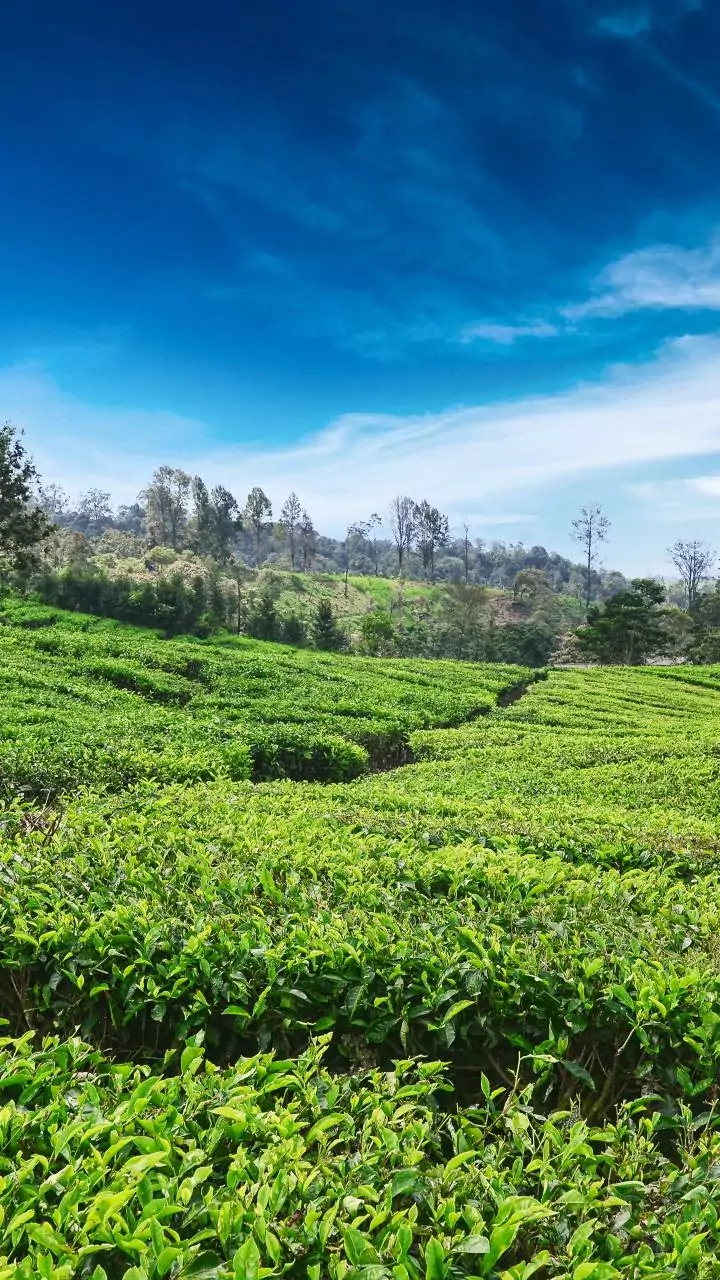
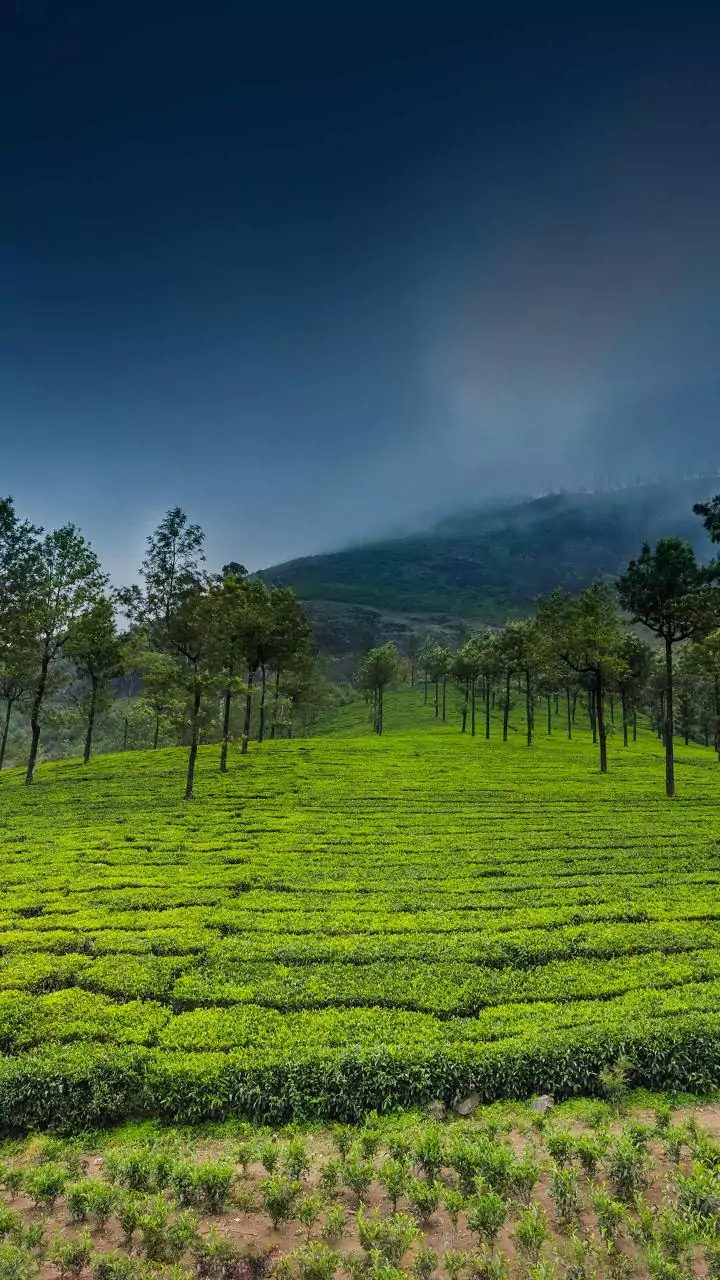
2 cities, enjoying a lower cost of living and a better quality of life. However, even these cities come with their own urban pressures. The desire to escape the routine, without taking a full-fledged holiday, has given rise to the 'workation' or 'staycation' trend. Professionals are packing their laptops and seeking temporary bases in locations that offer both productivity and peace. Coorg, with its promise of lush landscapes and a tranquil environment, has emerged as a top contender for this new breed of worker.
Coorg's Off-Season Allure
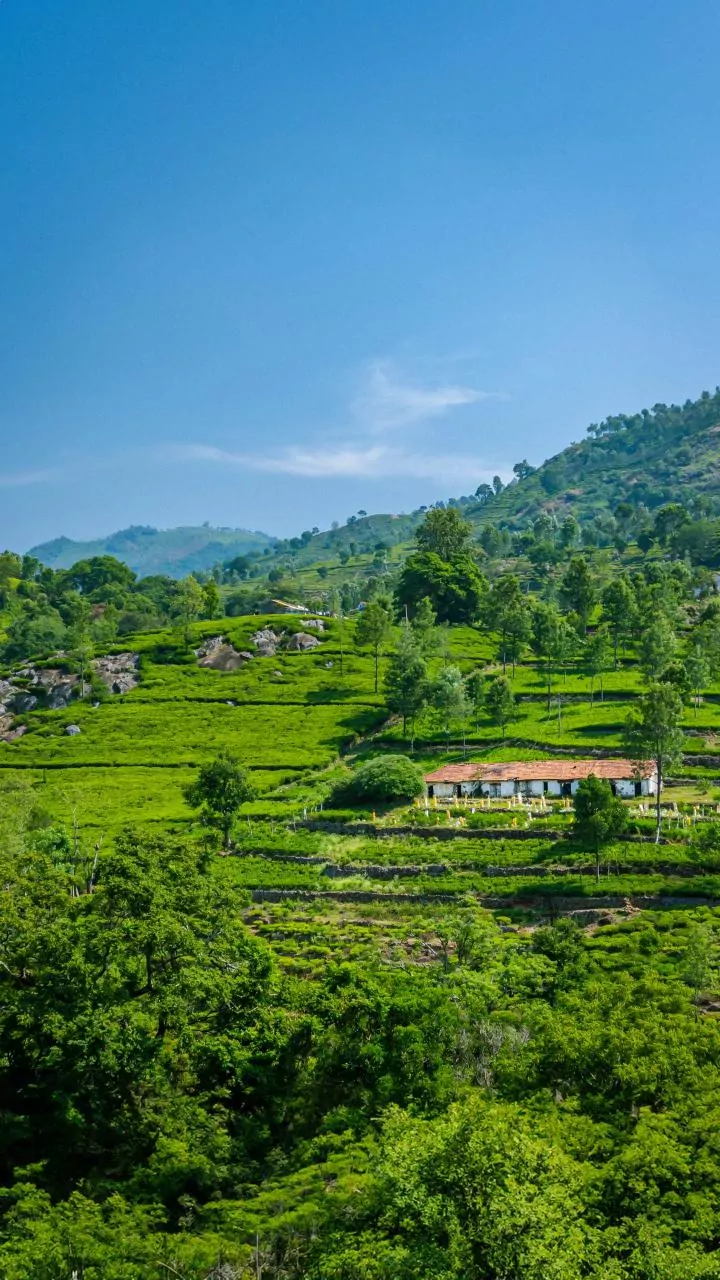
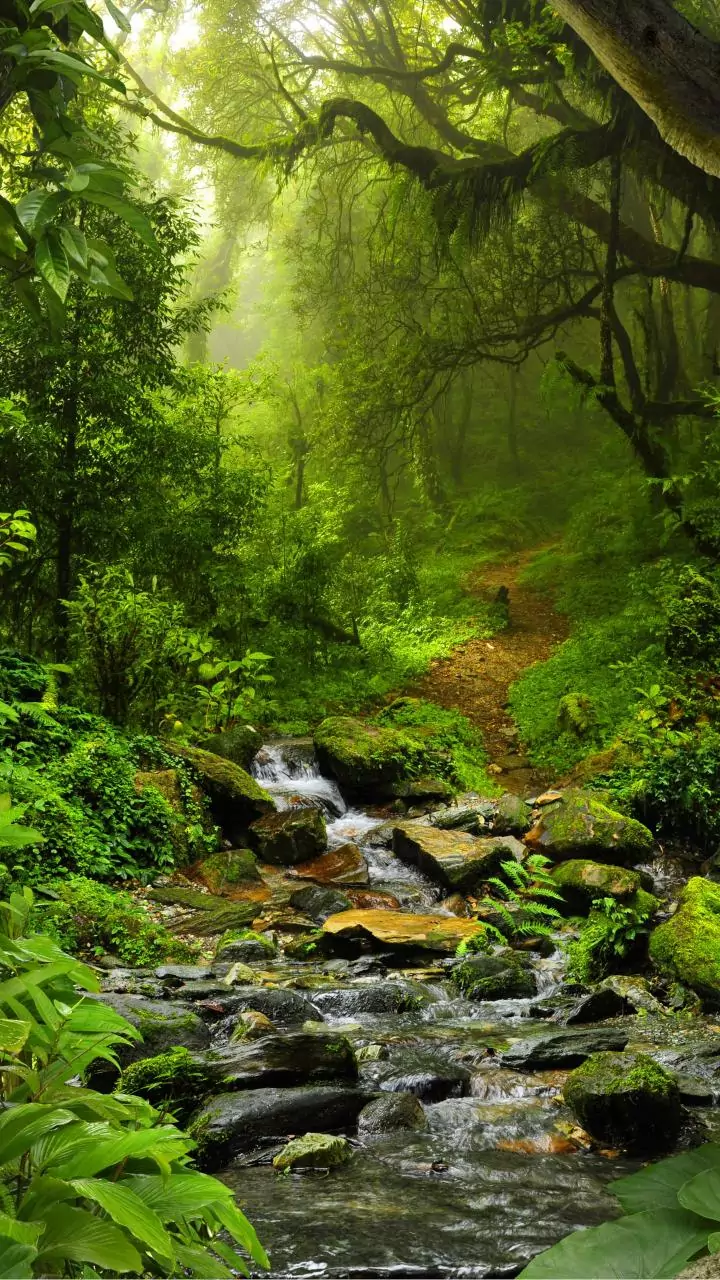
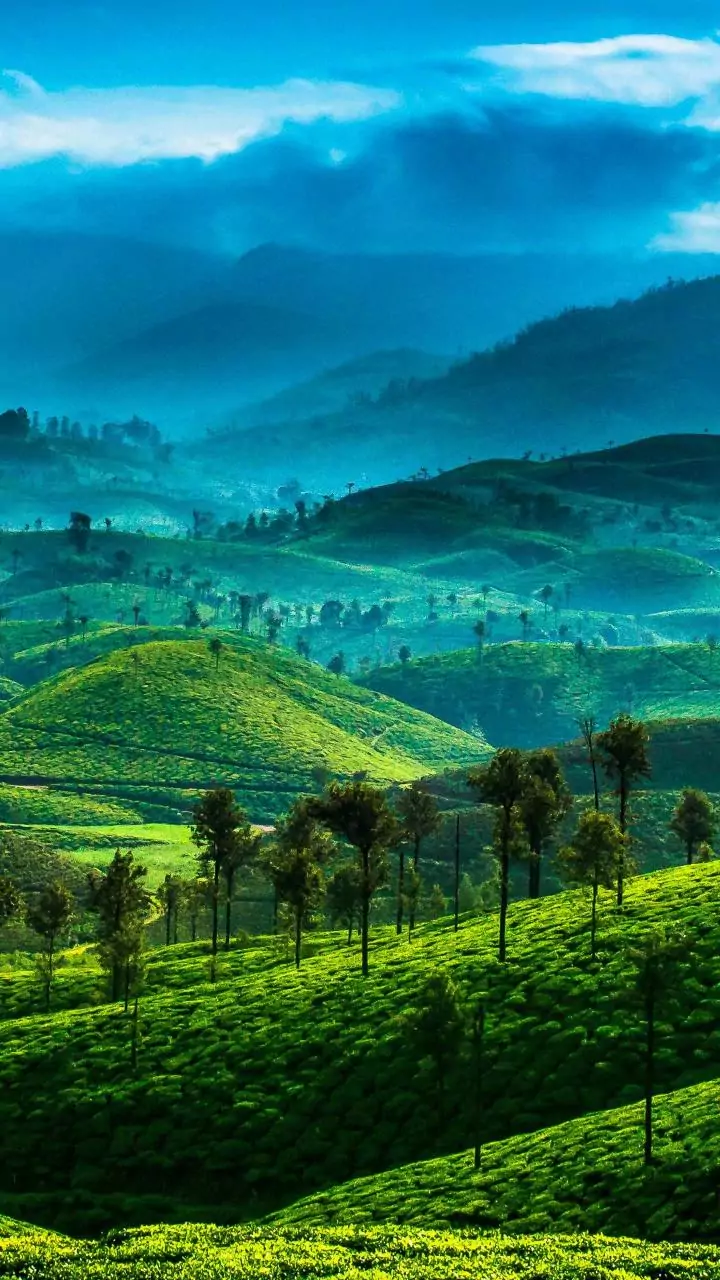
Traditionally, Coorg's peak tourist season runs from October to March when the weather is cool and dry. However, remote workers are discovering the unique charm of the off-season, particularly the monsoon months (June to September) and the immediate post-monsoon period. During this time, the region transforms into a vibrant green paradise, with waterfalls like Abbey and Iruppu at their thunderous best. The biggest draws are the significantly smaller crowds and lower prices for accommodation. This allows for a more authentic and immersive experience, where the soundtrack is the gentle tapping of rain and not the bustle of tourist traffic. For a remote worker, this quietude is not a bug; it's the main feature.
The Anatomy of a Coorg Workday
What does a work-from-Coorg setup look like? The key is finding the right base, and local homestays and villas have been quick to adapt. Many now explicitly cater to remote workers, advertising reliable, high-speed Wi-Fi as a primary amenity. It's not uncommon to find properties offering dedicated workspaces, ergonomic chairs, and power backup—essentials for a productive workday. A typical day might start with a walk through a dewy coffee estate before logging on. The workday itself is punctuated by views of misty hills and the aroma of freshly brewed filter coffee. After logging off, evenings are free for exploring local markets, visiting a nearby waterfall, or simply relaxing on a veranda. It's a blend of professional responsibility and personal rejuvenation that a city apartment rarely affords.
Beyond Productivity: The Wellness Dividend
The benefits of such a staycation extend far beyond a change of scenery. Being immersed in nature has proven wellness advantages, from reducing stress to boosting creativity. The opportunity to disconnect from urban stressors and reconnect with a slower, more deliberate pace of life is a major draw. The green landscapes, clean air, and quiet surroundings provide a much-needed mental reset. This environment can lead to deeper focus during work hours and more meaningful relaxation during downtime. It’s a holistic approach to work-life balance, where professional output is enhanced, not sacrificed, by a commitment to personal well-being.
A Sustainable Boost for Local Tourism
This trend of off-season travel is also a welcome development for Coorg's local economy. Tourism is often a seasonal industry, leading to financial instability for those who depend on it. By attracting visitors during the monsoon and shoulder seasons, remote workers help create a more consistent, year-round revenue stream for homestay owners, cafes, and local service providers. This model of tourism is inherently more sustainable, as it distributes the economic benefits more evenly throughout the year and reduces the environmental strain associated with over-tourism during peak months. It fosters a symbiotic relationship where workers get a restorative environment and the local community gains economic stability.