



A Bridge Between Tradition and Trend
For generations, terracotta has been integral to Indian life, from water pots to simple cooking vessels. However, with the rise of mass-produced steel and non-stick pans, many traditional potters saw their craft and livelihoods decline. Enter the urban
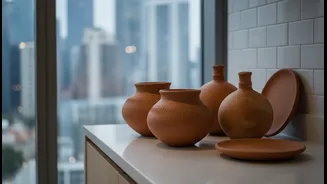
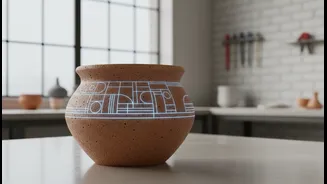
designer. These collaborators act as a crucial bridge, connecting the deep-rooted knowledge of artisan communities with the sensibilities of contemporary city dwellers. They are not simply creating new shapes; they are re-interpreting a tradition for a new audience. This partnership involves understanding the potential of the material and the skill of the maker, then translating it into products that fit seamlessly into a modern lifestyle. The result is a fusion where ancient techniques meet contemporary aesthetics, creating pieces that are both functional and deeply rooted in culture.
Rethinking Form for Modern Kitchens
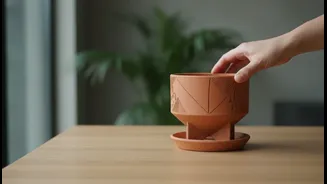
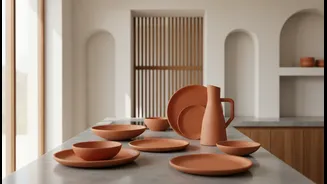
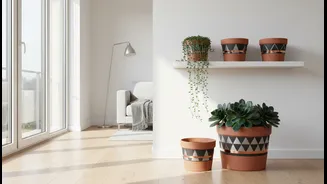
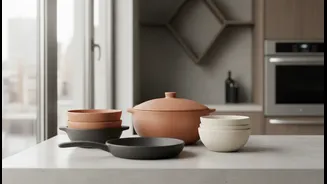
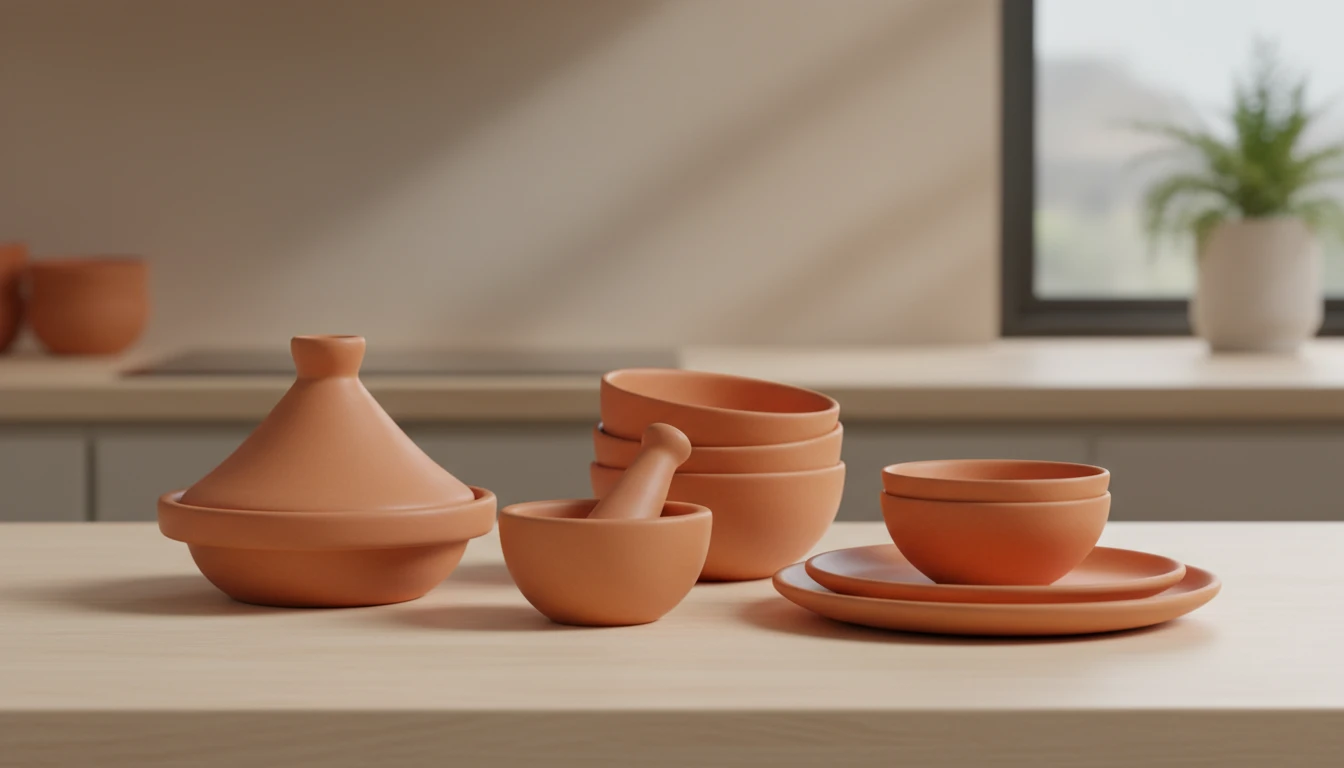
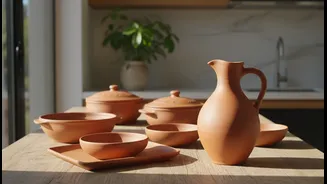
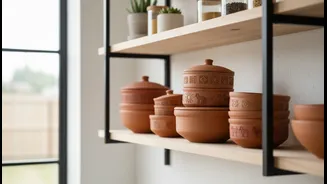
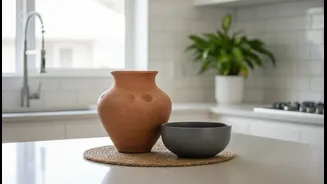
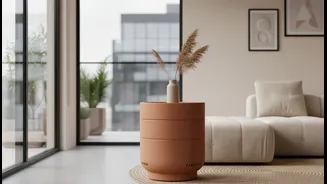
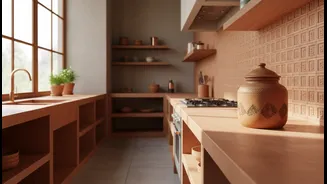
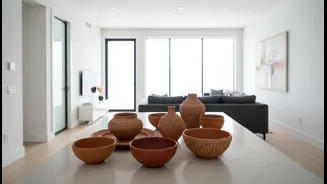
The success of this revival lies in thoughtful design innovation. While the core material remains the same natural, porous clay—the forms have evolved. Designers are working with artisans to create terracotta products that cater to today's needs. This includes chic, minimalist water bottles with wooden lids, curd setters with an earthy aesthetic, and even hand-painted dinner sets that are microwave-safe. Some collections feature contemporary twists like pizza platters or snack bowls with modern silhouettes. This evolution is key; it ensures that terracotta is not just a rustic novelty but a practical choice for a kitchen that might also feature an induction cooktop or a dishwasher. By respecting the material's integrity while updating its function and look, these partnerships make terracotta relevant again.
The Pull of Wellness and Sustainability
The demand for modern terracotta is also fueled by a powerful shift in consumer values. Urban Indians are increasingly health-conscious and environmentally aware. Terracotta cookware fits perfectly into this mindset. Cooking in clay is known to be a slower, more even process that helps retain the food's natural moisture and nutrients, often requiring less oil. Its porous nature allows heat and steam to circulate, resulting in richer, more authentic flavours, a quality many home cooks are rediscovering. Furthermore, as a natural, non-toxic, and biodegradable material, terracotta offers a clear alternative to plastic containers and cookware with synthetic coatings, appealing to a growing desire for sustainable, chemical-free products in the home.
Economic Empowerment and Cultural Preservation
Beyond aesthetics and wellness, these collaborations have a profound socio-economic impact. By creating new markets and ensuring fair compensation, designers and brands are providing artisan communities with a sustainable livelihood. This renewed demand helps preserve skills that have been passed down through generations but were at risk of disappearing. When consumers choose to buy a handcrafted terracotta piece, they are not just acquiring a beautiful object; they are casting a vote for cultural preservation and supporting the artisans directly. These partnerships empower craftspeople, transforming them from laborers into celebrated custodians of a rich heritage, ensuring their skills are valued and can be passed on with pride.