



The Day Five Dilemma
When play began on the final day, India needed eight wickets to win, while New Zealand were still 233 runs behind. The equation heavily favoured the visitors. Yet, as the day progressed, a familiar sense of frustration crept in for Indian fans. The pair
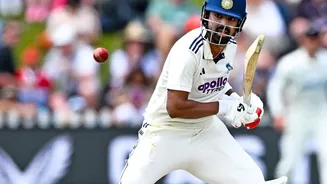
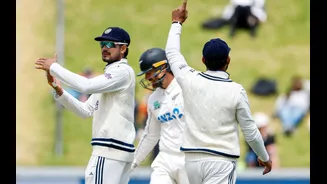
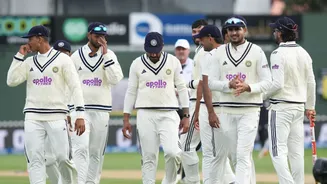
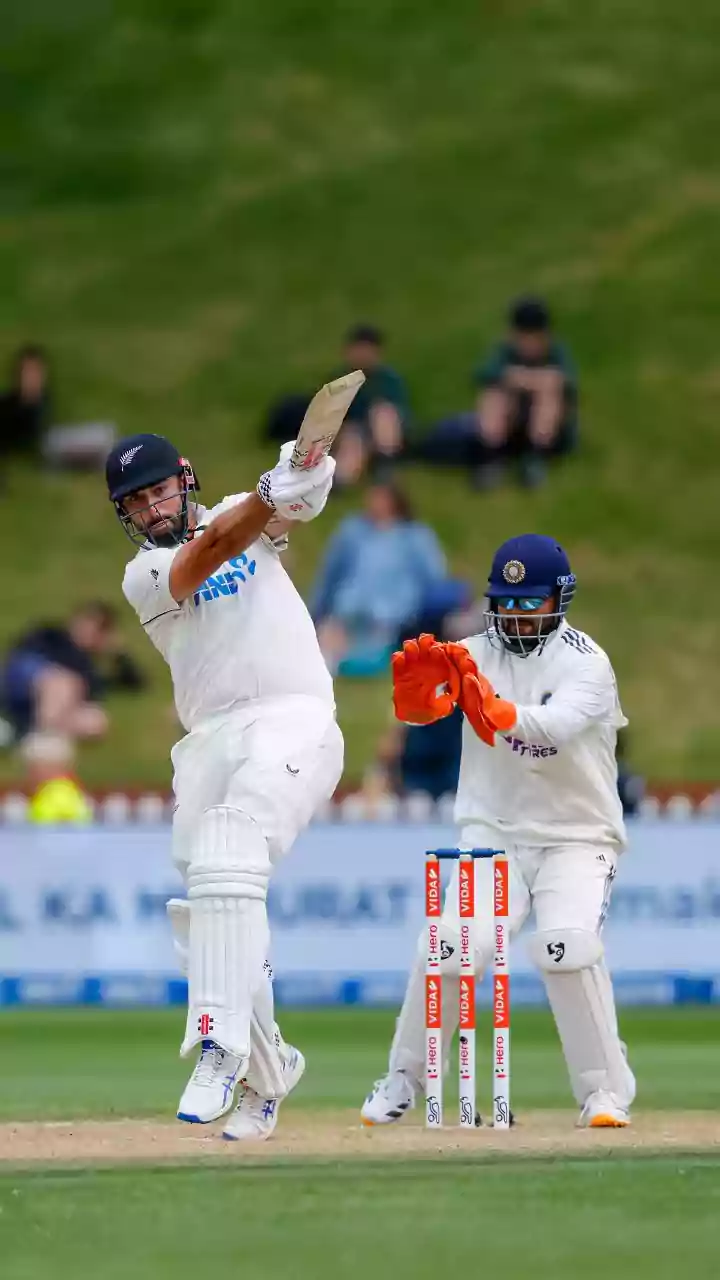
of Daryl Mitchell and Glenn Phillips dug in, showing immense resolve to grind out a draw. The talking point became Gill's approach. With a win on the table and no real risk of defeat, many observers felt the field settings were overly defensive. Spreading the field to save runs, rather than keeping catchers in attacking positions, allowed the Kiwi batsmen to settle without pressure. Fans on social media lamented the sight of just one slip and no short leg, calling the captaincy 'insipid and illogical'.
Letting a First-Innings Advantage Slip
The issues on Day 5 were arguably seeded on Day 1. After an excellent start from the pacers, who reduced New Zealand to 70 for five, India let the advantage slip. A mammoth 216-run partnership between Henry Nicholls and Glenn Phillips resurrected the home side's innings, pushing them to a respectable 368. During this crucial period, questions arose about Gill's proactivity. As the ball grew older and the partnership flourished, there was a perceived lack of intensity in bowling changes and field placements, allowing the batsmen to grow in confidence. While India's monumental first-innings reply of 720 for nine declared, featuring seven consecutive partnerships of 50-plus, papered over these cracks, the inability to land a killer blow in the first innings came back to haunt them.
A 'Horror Show' with DRS
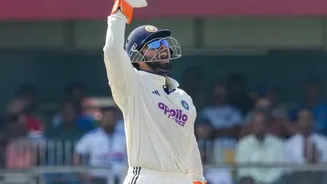
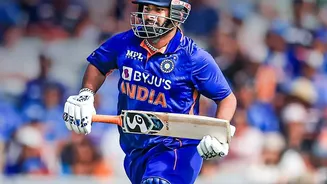
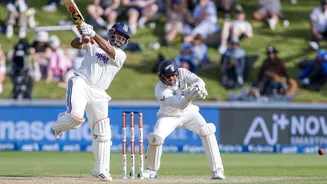
A captain's tactical nous is also judged by his use of the Decision Review System (DRS), and it proved to be a major weakness for Gill in Wellington. India burned through all three of their reviews unsuccessfully. One was for a caught-behind where the ball hit the pad, and another for an lbw appeal that was clearly too high. Perhaps more damaging was the opportunity missed. Wicketkeeper Rishabh Pant and the slip cordon were convinced Rachin Ravindra had edged a ball from Anshul Kamboj on Day 1, but Gill opted not to review, a decision replays showed was incorrect. This series of blunders not only cost India potential wickets but also pointed to a worrying pattern, with reports noting Gill's historically poor success rate with reviews.
Selection Calls and Strategy
Before the Test, Gill confirmed India would play with four pacers and seven batters, a strategy designed for the green-tinged Wellington pitch. However, the decision to leave out the experienced Mohammed Siraj and all-rounder Ravindra Jadeja raised eyebrows. While the chosen attack, led by Jasprit Bumrah, started strongly, they struggled for breakthroughs as the pitch flattened. On the final day, the inability of the pace quartet and lone spinner Washington Sundar to break the Mitchell-Phillips partnership suggested a lack of a 'Plan B'. The defensive fields compounded the issue, turning a potential victory charge into a slow march towards an inevitable draw.
The Verdict: Inexperience or Flawed Instincts?
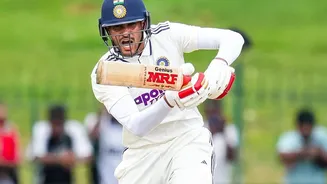
So, did Gill get his tactics wrong? The evidence points to a resounding yes. While his own batting was assertive, his leadership on the field appeared reactive and, at times, overly cautious. The crucial fifth day required a captain to gamble, to attack relentlessly and create chances. Instead, Gill's tactics seemed more focused on preventing a loss that was never a realistic threat. Spreading fields and poor DRS management are hallmarks of a captain feeling the pressure. While every leader has a learning curve, the draw in Wellington, from such a dominant position, will be remembered as a significant tactical failure and a major dent in India's World Test Championship ambitions.