







Why The Risk Is Higher Now
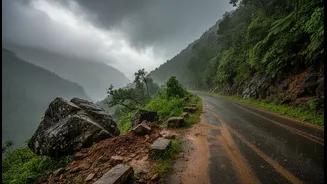
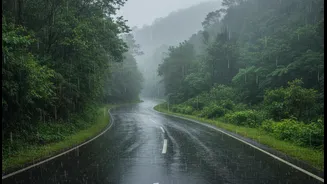
The monsoon has intensified across large parts of India, bringing widespread, heavy rainfall. According to the India Meteorological Department (IMD), this has led to saturated soil on hillsides, increasing the danger of landslides, flash floods, and road
blockages, particularly in the hilly regions of states like Himachal Pradesh, Uttarakhand, and Maharashtra. Recent days have seen significant disruptions, including major landslides on the Mumbai-Pune expressway and in Kerala's Wayanad district, highlighting the current dangers. Authorities in multiple states have issued alerts, advising residents and tourists to be extremely cautious and avoid vulnerable areas.
High-Alert Zones to Watch
Several popular tourist states are currently experiencing hazardous conditions. The IMD has issued specific warnings for Himachal Pradesh and Uttarakhand, where an intense first week of July rainfall has heightened the risk of landslides and mudslides. Tourists have been explicitly advised to avoid landslide-prone areas and stay away from rivers and streams. In Maharashtra, relentless rains have triggered fatal landslides in the Pune district and Ratnagiri, and have crippled transport links like the Mumbai-Pune highway. Red and orange alerts are active in Kerala's Wayanad district and neighbouring areas after a major landslide occurred. These regions, usually magnets for monsoon tourism, currently demand extreme caution.
Your Pre-Travel Safety Checklist
Spontaneity is still possible, but it must be paired with preparation. Before you book or travel, run through this checklist: Check Official Weather Alerts: The IMD website is your most reliable source. Look for specific district-level warnings (red, orange, yellow alerts) for your intended destination. Verify Road Status: Many state police departments and disaster management authorities post real-time road closure updates on their websites or social media. A quick search can save you from being stranded. Talk to Locals: Call your hotel or homestay and ask about the ground reality. They will have the most current information on local access roads and safety conditions. Book Flexibly: Opt for bookings with flexible cancellation or rescheduling policies. The situation can change rapidly, and you don't want to be penalized for making a safe decision. Have a Backup Plan: Know your alternative routes and be prepared to change your itinerary entirely if a high-risk warning is issued for your primary destination.
Safer Alternatives for a Monsoon Trip
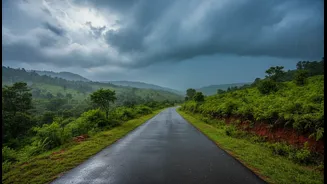
If the risks seem too high in the northern hills, consider destinations with a better safety record during this period. Spiti Valley and Ladakh are classic choices as they lie in a rain-shadow area, receiving far less rainfall. However, access roads can still be affected, so checking their status remains vital. Other destinations considered relatively safer for monsoon travel include places in the southern plains or less intense parts of the Western Ghats like Coorg, Munnar, and Wayanad, though even these require checking local advisories, as seen with the recent Wayanad incident. Destinations in Rajasthan like Udaipur, or coastal towns like Pondicherry, offer a different kind of monsoon beauty without the significant landslide risk.