



The Building Blocks of Life
Let's start with the basics. Proteins are essential macronutrients that act as the primary building blocks for our body. They repair tissues, build muscle, produce enzymes, and keep our immune system strong. Proteins themselves are made up of smaller
units called amino acids. There are 20 different amino acids that our bodies use, but nine of them are called 'essential amino acids' (EAAs). The term 'essential' means our bodies cannot produce them on their own, so we must get them from the food we eat. These nine are histidine, isoleucine, leucine, lysine, methionine, phenylalanine, threonine, tryptophan, and valine.
What Is a 'Complete' Protein?
You may have heard the terms 'complete' and 'incomplete' protein. A food source is considered a 'complete protein' if it contains all nine essential amino acids in adequate amounts. Animal products like meat, fish, eggs, and dairy are generally considered complete proteins. On the other hand, most individual plant-based foods are 'incomplete' because they are low in one or more of these essential amino acids. This doesn't make them inferior; it just means we need to be a little smarter about how we eat them, which is where the concept of pairing comes in.
A Quick Look at Protein Quality Scores
Scientists use scoring systems to measure a protein's quality. The most established one is the Protein Digestibility Corrected Amino Acid Score (PDCAAS). This score evaluates a protein based on its amino acid profile and how easily it can be digested and absorbed by the body. A score of 1.0 is the highest, indicating a top-quality, highly digestible protein. While newer methods like DIAAS exist, PDCAAS is still a widely used standard. Understanding that different foods have different scores helps us see why variety is so important.
The Power Pairing: Grains and Legumes
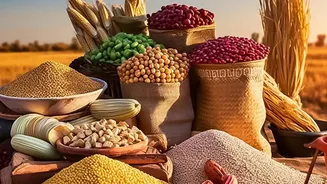
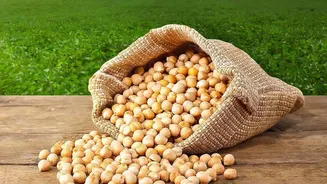
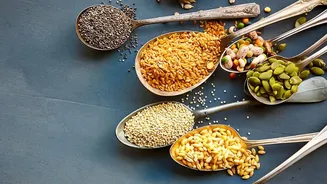
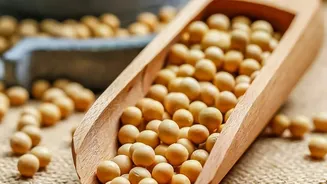
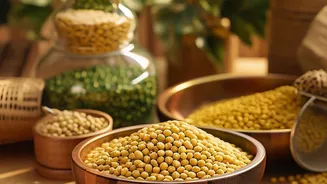
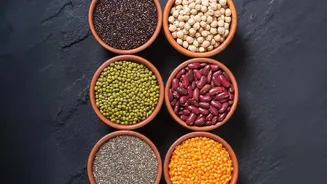
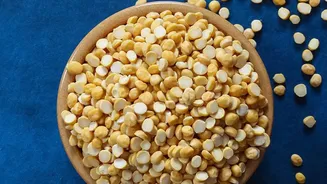
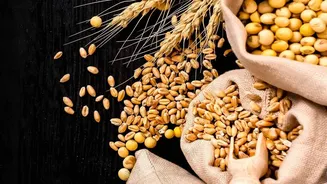
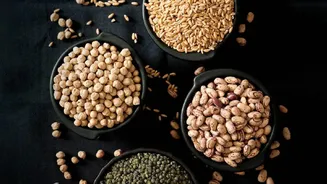
This brings us to the heart of the matter and the genius behind many traditional Indian meals. Grains (like rice and wheat) and legumes (like dals, beans, and chickpeas) have complementary amino acid profiles. Grains are typically low in the essential amino acid lysine but contain sufficient methionine. Legumes, conversely, are rich in lysine but are low in methionine. When you eat them together, they form a synergistic partnership. The lysine from the dal compensates for the lack in the rice, and the methionine in the rice makes up for the shortfall in the dal. Together, they provide all nine essential amino acids, creating a complete protein.
Indian Food Wisdom in Action
This nutritional strategy is deeply embedded in Indian cuisine. Think about our daily meals: dal and rice (dal-chawal), rajma and rice, chana and roti, or the simple, comforting khichdi. All of these are classic examples of pairing a legume with a grain. Even snacks like hummus (made from chickpeas) with pita bread (a grain) follow this same principle. Our ancestors may not have known the terms 'amino acids' or 'protein complementing', but they understood intuitively how to combine foods to create nourishing, wholesome, and satisfying meals that sustained them.
Do You Need to Eat Them in the Same Meal?
For a long time, the advice was that complementary proteins had to be eaten in the same meal to be effective. However, modern nutritional science has updated this view. Research shows that the body maintains a 'pool' of amino acids from the foods you eat throughout the day. This means as long as you consume a variety of plant foods—legumes, grains, nuts, and seeds—over the course of a day, your body can combine the amino acids as needed to form complete proteins. So, while eating them together is a convenient and delicious habit, you don't need to stress if you have dal for lunch and roti for dinner. The key is a varied daily diet.